

In 2025, the Office of Victims and Survivor Rights and Services (OVSRS) contacted over 40,000 victims’ families to aid them in exercising their rights, resulting in thousands of victims participating in parole hearings.
OVSRS has overseen more than 132,000 direct orders of restitution, totaling approximately $17 million being paid to victims of crimes.
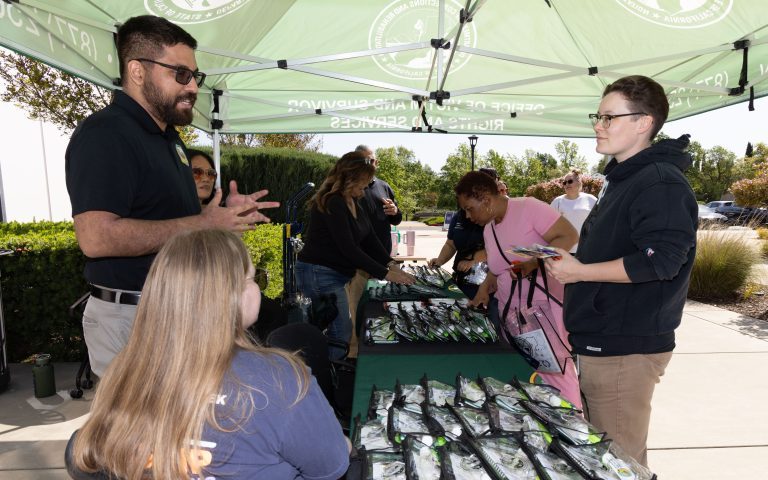
“CDCR is committed to enforcing victims’ rights,” OVSRS Chief Mariam El-Menshawi said. “OVSRS maintains a comprehensive victim services program and establishes justice practices to ensure crime victims and survivors are afforded the utmost respect in exercising their legal rights, including their right to restitution.”
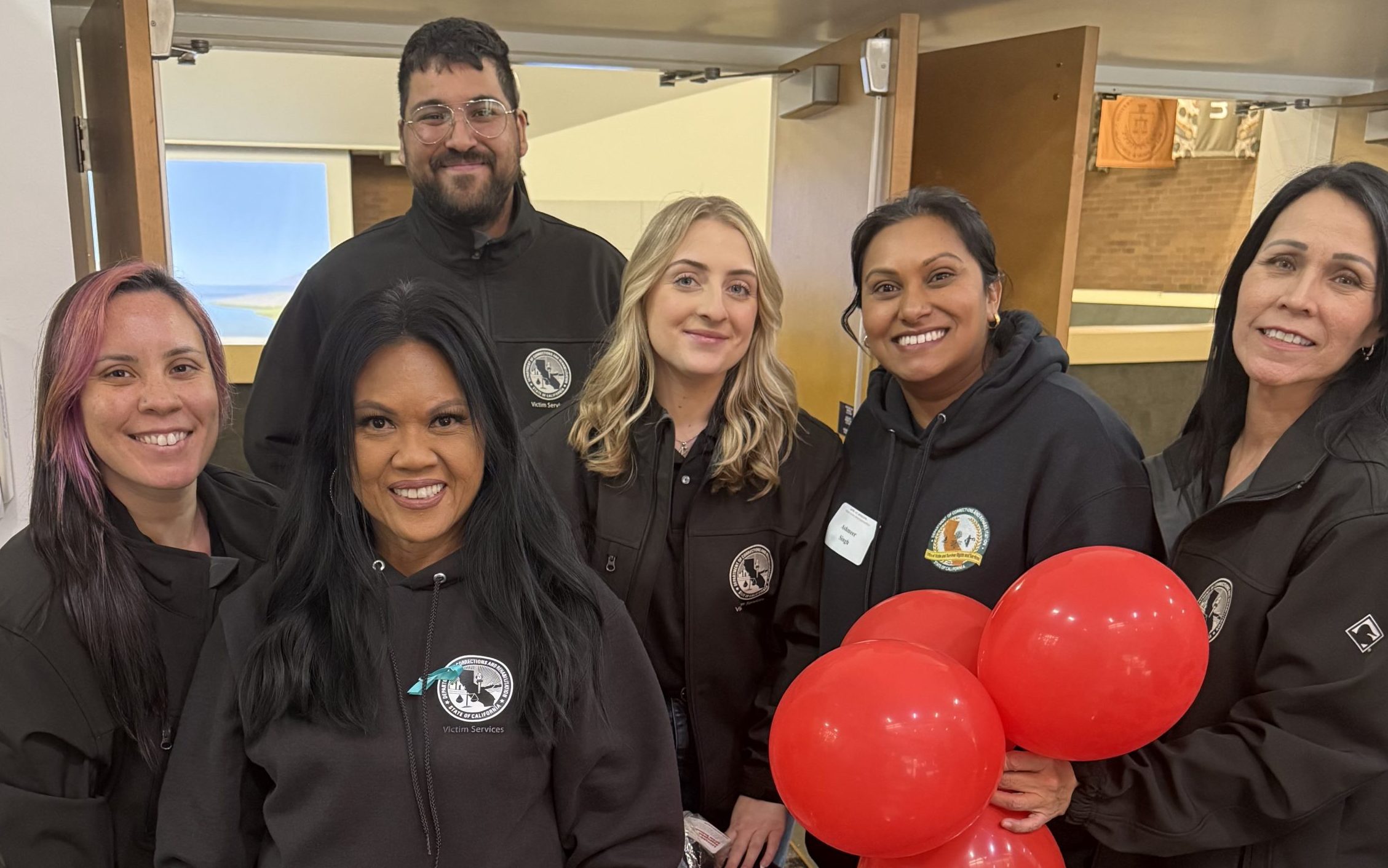
OVSRS, established in 1988, ensures crime victims are protected and supported on their paths to justice. In addition to the legal rights guaranteed by law, OVSRS staff also support victims access restorative healing and recovery programs. The team guides survivors through the processes to be seen and heard. They also offer access to restitution, case notifications, and hearing participation.
Right to restitution
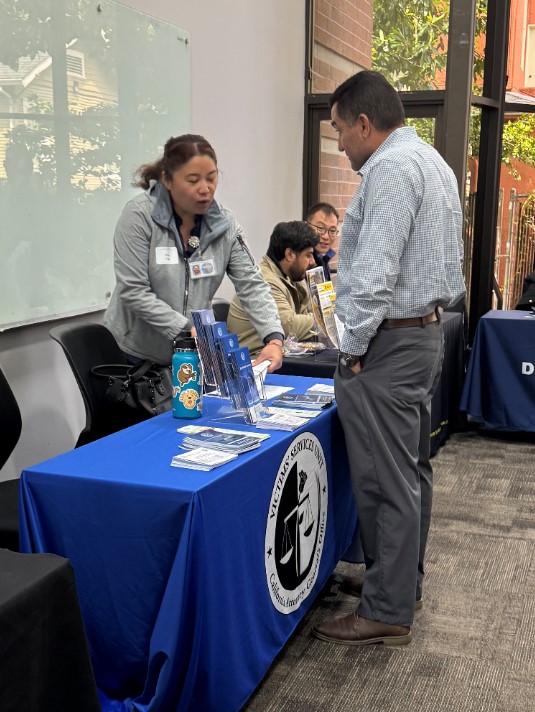
The State of California affords victims and survivors restitution to be paid by the person convicted of the crime. This helps assist in recovery from loss they’ve experienced due to criminal activity.
It is paid through a direct order of restitution, taken from the trust account of the incarcerated person or collected from the income of those on parole.
OVSRS works to verify restitution is ordered and coordinates with the Victim Compensation and Government Claims Board to ensure full payout.
OVSRS also works with the California State Tax Franchise Board to collect restitution in cases where victims have not been identified or contacted.
Right to notification, participation
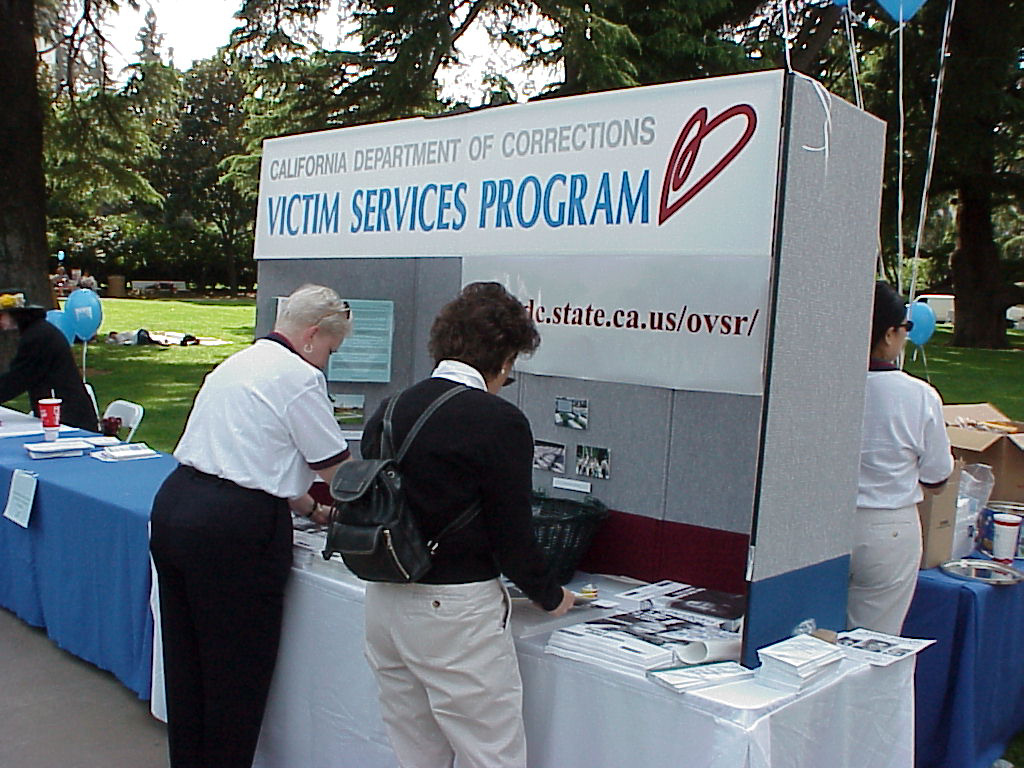
Under California Law, crime victims and families are entitled to notifications about the status of the person who committed the crime, whether incarcerated or under parole supervision. OVSRS works with them to ensure they receive notification about upcoming parole hearings or changes in offender status. The staff also helps them prepare to participate in hearings in person, virtually, as well as on their behalf, if they so choose.
Restorative justice programs
There are also several resources and services available to victims to help foster a sense of healing, accountability and justice. OVSRS offers victims the opportunity to hear from the person who committed the crime against them to acknowledge and take accountability.
This is done through safe, face-to-face conversations or the Accountability Letter Bank. OVSRS also partners with community organizations offering conflict resolution, grief counseling and other services supporting the path to healing.
Learn more about OVSRS on the website.
Story by Kamarri Dates, information officer
Office of Public and Employee Communications
Follow CDCR on YouTube, Facebook, X (formerly Twitter).
Read more stories on the Office of Victim and Survivor Rights and Services.
Related content
OVSRS helps victims know, access legal rights
In 2025, the Office of Victims and Survivor Rights and Services (OVSRS) contacted over 40,000 victims’ families to aid them…
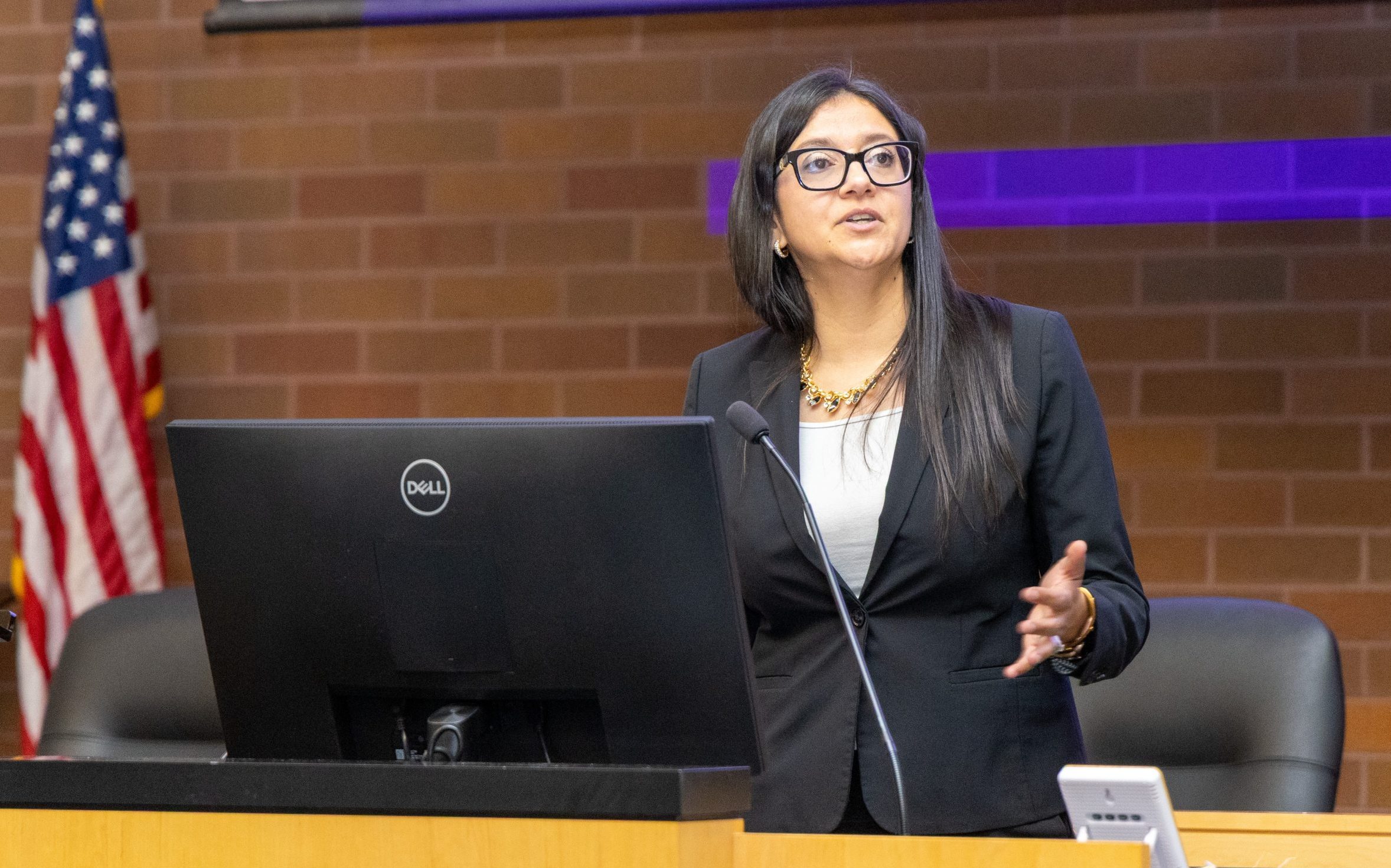
CDCR, McGeorge School of Law host Crime Victims’ Rights event
In honor of National Crime Victims’ Rights Week, the Office of Victim and Survivor Rights and Services (OVSRS) hosted a…
OVSRS helps victims access their legal rights
Since 1988, CDCR’s Office of Victim and Survivor Rights and Services (OVSRS) has worked to bridge gaps in accessing information…