

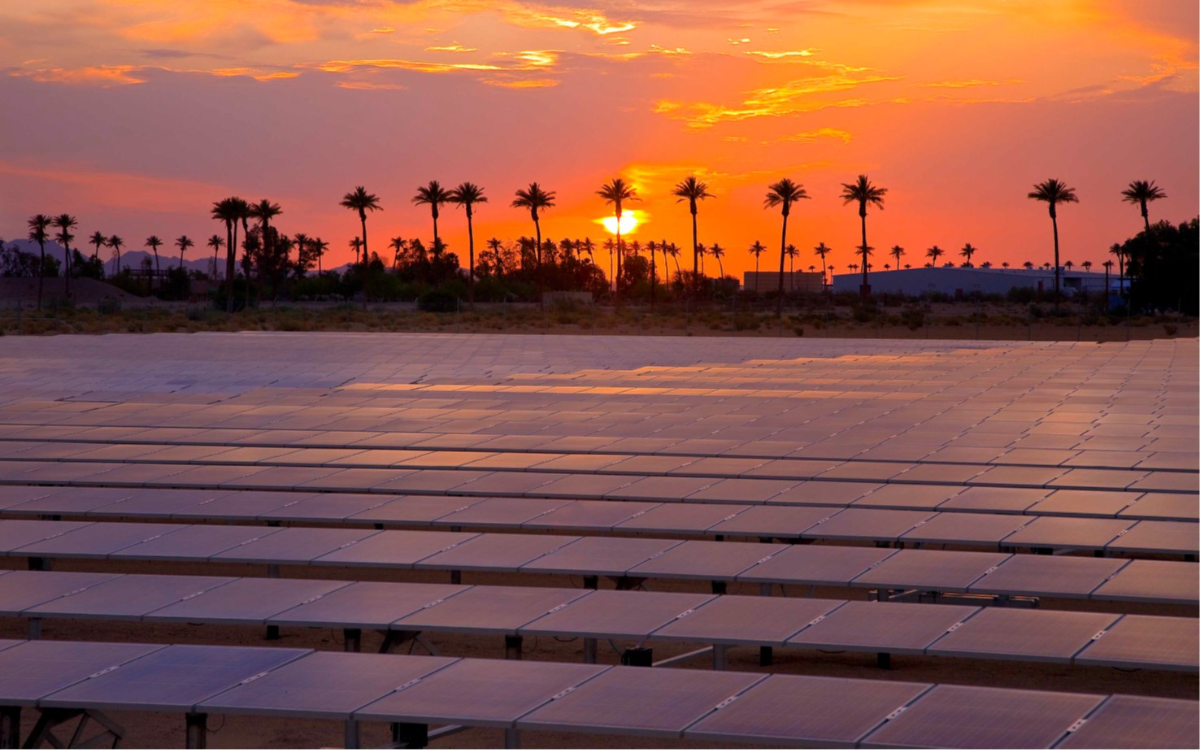
This Earth Day, the California Department of Corrections and Rehabilitation (CDCR) highlights its statewide efforts to build a cleaner, more sustainable future. From expanding renewable energy to reducing water usage, CDCR continues to support California’s climate goals.
CDCR honors Earth Day with sustainability progress across California
Adapting to Climate Challenges: CDCR is proactively addressing environmental risks such as wildfires, extreme heat, and water scarcity. Resilience planning and facility upgrades are protecting staff, incarcerated individuals, and surrounding communities.
Investing in Renewable Energy: CDCR is generating over 100 megawatts of clean energy through on-site solar farms and wind turbines, significantly reducing grid dependency and greenhouse gas emissions.
Transitioning to Zero-Emission Vehicles: The department is replacing gas-powered vehicles with electric models and installing EV charging infrastructure across facilities. These efforts reduce air pollution and support California’s move toward a zero-emission transportation future.
CDCR is advancing energy efficiency
Facilities are being upgraded with smart lighting, HVAC systems, and building automation. New construction projects are designed to achieve Zero Net Energy, meaning they produce as much energy as they consume annually.
“CDCR’s Energy teamwork displays a testament to their unwavering dedication to environmental stewardship,” said Jeremiah Peacock, Chief of Energy and Sustainability with CDCR’s Facility Planning, Construction and Management Project Management Branch. “The team is improving CDCR’s energy processes through projects that not just meet California’s sustainability standards, but exceed them, setting a remarkable example for other state agencies to emulate.
“Their forward-thinking approach, coupled with strategic implementation of impactful projects, is paving the way for a more sustainable future within the correctional system. This innovative approach allows CDCR to implement impactful projects without diverting funds from critical operations, ensuring fiscal responsibility, maintaining safety and security in the institutions, while advancing environmental performance.”
Conserving water across institutions
Water-saving measures include high-efficiency irrigation systems, drought-resistant landscaping, and plumbing retrofits. These initiatives help preserve California’s most precious resource.
Reducing waste, greening operations
CDCR institutions are expanding recycling, composting, and sustainable purchasing. New buildings follow green construction standards, further minimizing the department’s environmental impact.
Longterm commitment
Sustainability is part of CDCR’s broader mission to create safer, healthier, and more resilient communities. This Earth Day, the department celebrates the progress made and looks ahead to the work still to come.
Submitted by David Maldonado, Deputy Chief
Strategic Communications and External Affairs
Office of Public and Employee Communications
See more stories about CDCR facilities, training and jobs.
Follow CDCR on YouTube, Facebook, X (formerly Twitter).
Related content
Watch: Meet Parole Agent Kesteloot
A decade after earning his correctional officer badge, Kyle Kesteloot returned to the academy, this time to become a parole…
Read More
HDSP holds mass casualty training
High Desert State Prison (HDSP) in Susanville recently held a comprehensive mass casualty training exercise in the administrative building. The…
Read More
CCI staff participates in high school career day
Staff from California Correctional Institution (CCI) recently participated in the annual Tehachapi High School career day, giving students a firsthand…
Read More