


As a maximum-security Level IV institution, Salinas Valley State Prison (SVSP) may see challenges, but this does not prevent incarcerated students from learning.
Supervisor of Academic Instruction and GED testing coordinator Mariah Tharp sees their determination daily.
“For the most part, a lot of the students leave it out on the yard. When they come into education, they are there to be students, not gang members,” said Tharp. “For us having a Level IV population, we really do have a lot of students who want to be in education and further themselves.”
GED is first step for many
In fiscal year 2024-2025, CDCR saw 1,706 incarcerated students earn their GED certificates, including SVSP students Dominique Terrell Davis and Jesus Luis Guzman.
Prior to coming to prison, Davis completed up to 11th grade, not completing high school. Meanwhile, Guzman made it up to eighth grade before he started to get locked up.
“Coming into the prison system, I started to see my peers receive their GED and some even their associate degree. That really inspired me to (take) this path,” said Guzman.
“Finally, I’m saying I am done with excuses, I’d rather make my family happy and work on me as well. Why not try it, what do you have to lose?” said Davis.
Helping those who want to change
Tharp, who has been teaching at SVSP for two years, understands the influence incarcerated students face outside the classroom.
“There is a reason why we are here. We are the education department. We’re the rehabilitation part, so the parts that aren’t bad, the ones we can save, that is what we are doing,” said Tharp.
Davis acknowledges the culture in a Level IV institution can be challenging to overcome. “I chose to show up in class and apply myself and continue doing better versus associating.”
As for Guzman, he said it’s an active choice he makes every day. “Discipline, staying around the like-minded and involving myself with any academic activities with my peers and just trying to stay positive for the most part.”
Making that active choice to disassociate pays off in the end once they see their certificate or degree.
“Sometimes when they pass, they just start balling. They are very emotional,” said Tharp.
Guzman said he got goosebumps when he learned he passed. “It took me five tries to receive my GED. It was a challenge, and it was one of the best things I’ve accomplished, to be honest.”
“It’s fulfilling because you get a taste of success or what it is like to be successful, even though you are in a place like this,” said Davis. “I got my GED at a Level IV, which is kind of uncommon.”
Planning for their futures
Davis will be released from SVSP within the next month, and his end goal is to become a mental health coordinator. In the meantime, he is working on finishing his associate degree in psychology and plans to earn his bachelor’s degree.
As for Guzman? “One of my goals in here right now is to build up my academic skills. Hopefully, my long-term goal would be to get home, earn a bachelor’s degree and join the field of counseling for troubled teens.”
According to the Statewide Recidivism Report for Individuals Released in Fiscal Year 2018-2019 those who received Academic Education (EDU) Achievement credit returned at a rate of 16.6%. This number has been on a steady decline since 2008.
“They are making an agreement with themselves. It’s really meaningful for them, their families, and it makes it all worth it,” said Tharp.
As of August 2025, there are currently more than 7,000 incarcerated students at CDCR institutions enrolled in GED courses.
Learn more about CDCR and the Office of Correctional Education on the website.
Story and video by Ashton Harris, information officer
Office of Public and Employee Communications
Read more rehabilitation stories.
Follow CDCR on YouTube, Facebook, X (formerly Twitter).
Related content
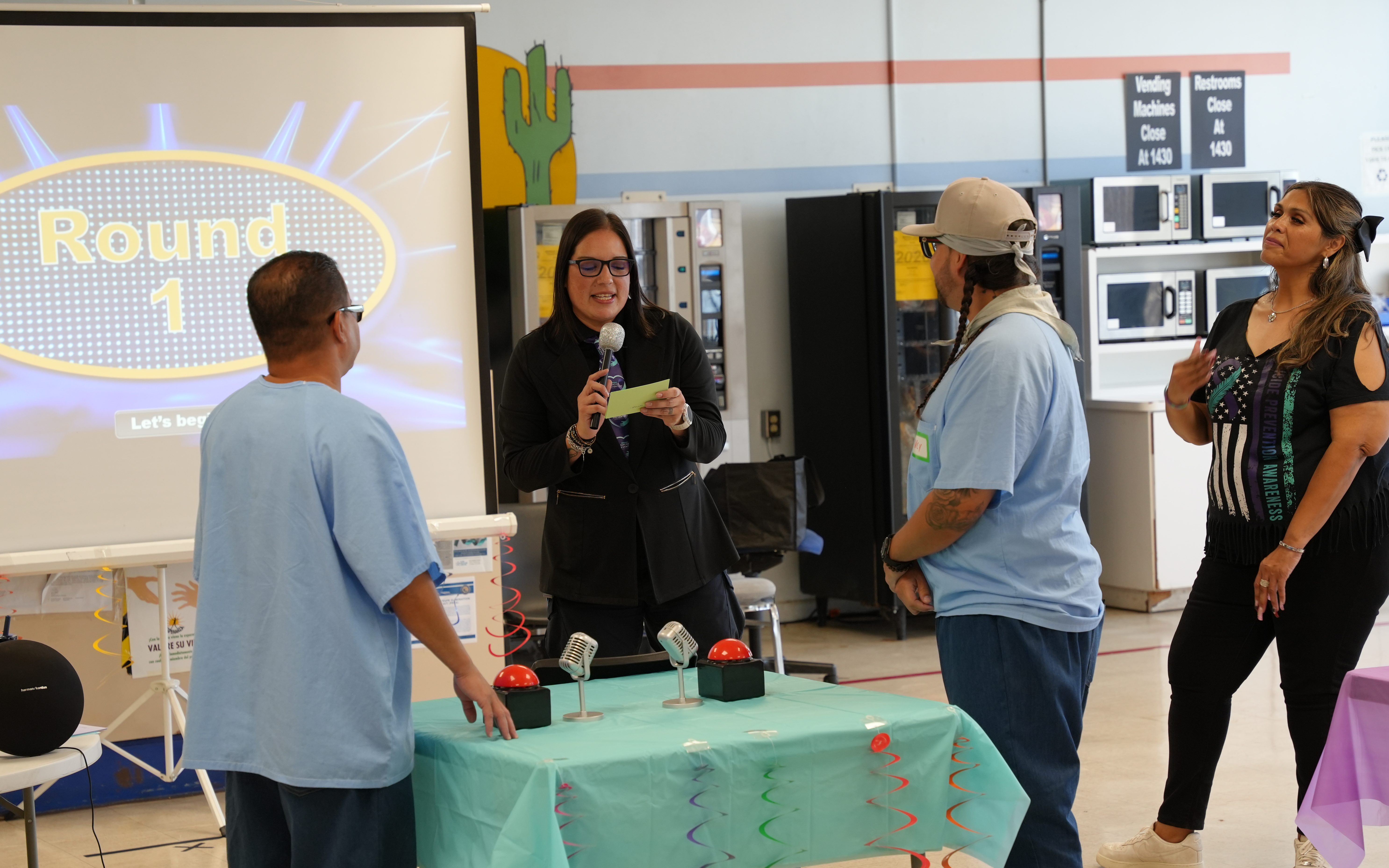
Calipatria mental health team hosts game for population
Mental health staff at Calipatria State Prison hosted a game for the population as part of Suicide Prevention Awareness Month.…
Read More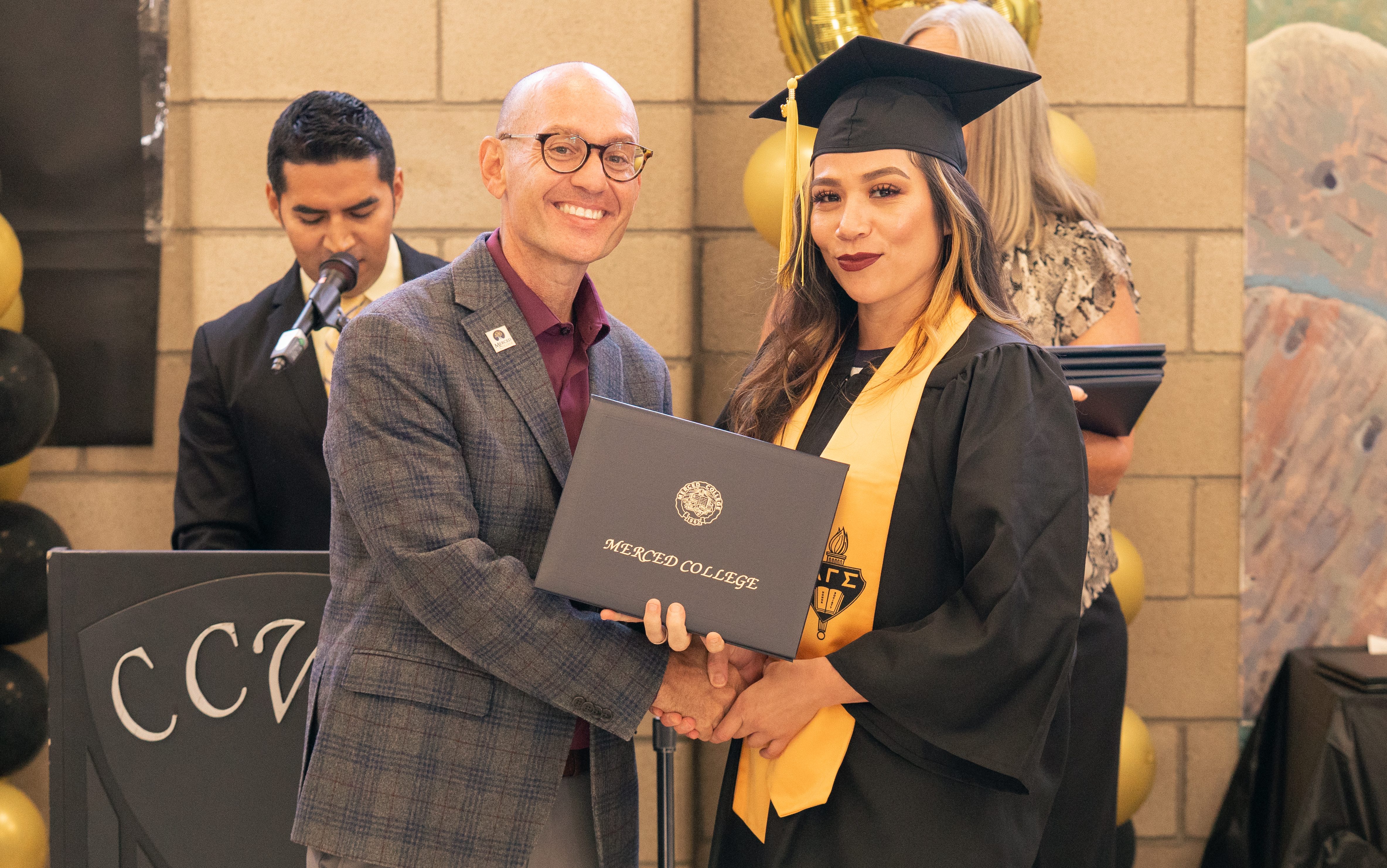
CCWF sees 59 earn college degrees
Central California Women’s Facility (CCWF) in Chowchilla held its annual college graduation for 59 earning degrees. The Sept. 30 graduation…
Read More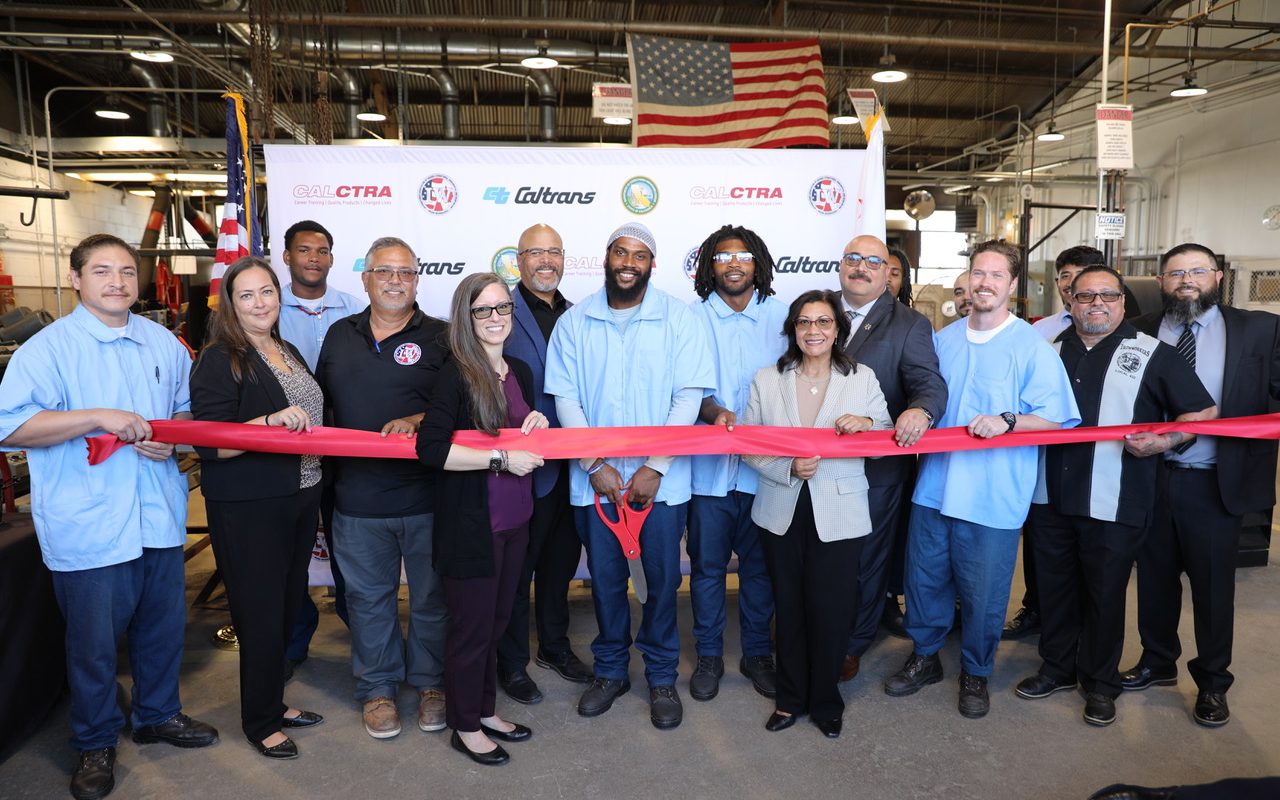
Caltrans, CALCTRA, CDCR, Ironworkers launch CIM program
The California Correctional Training and Rehabilitation Authority (CALCTRA), Caltrans, CDCR, and the Ironworkers Local Union 416 and 433, have launched…
Read More