

Behind efforts to help communities during disasters are crews working in support roles such as those at Vallecito Conservation Camp.
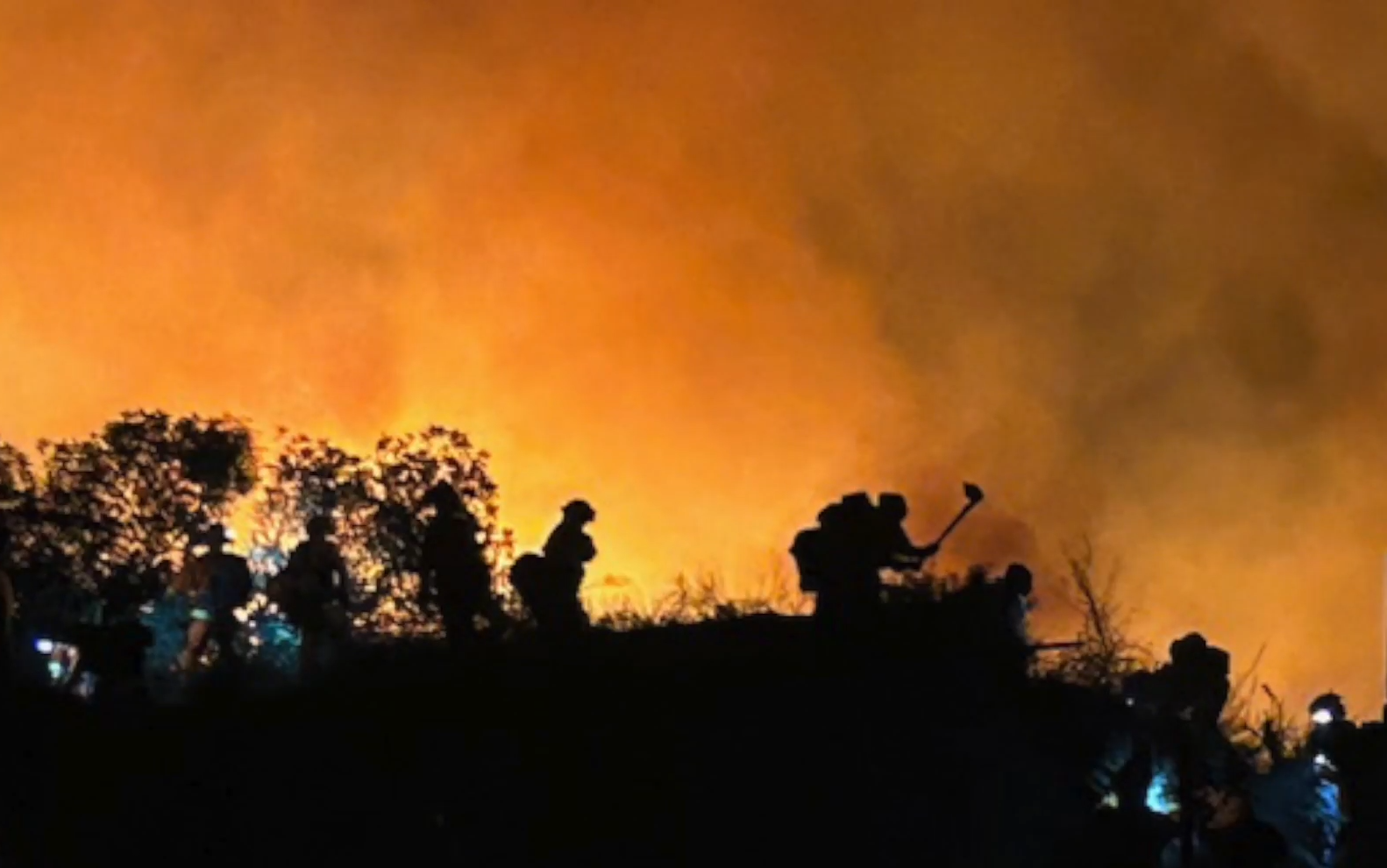
When thinking of California wildfires, many people are familiar with members of the incarcerated fire crew strike teams and their captains. Escorted by CDCR custody, these teams travel to the deepest parts of California, chasing smoke and hiking long steep hills to protect communities.
To keep these teams operating at peak efficiency, other incarcerated people diligently maintain the equipment and keep fire crews fed.
Supporting those on the line
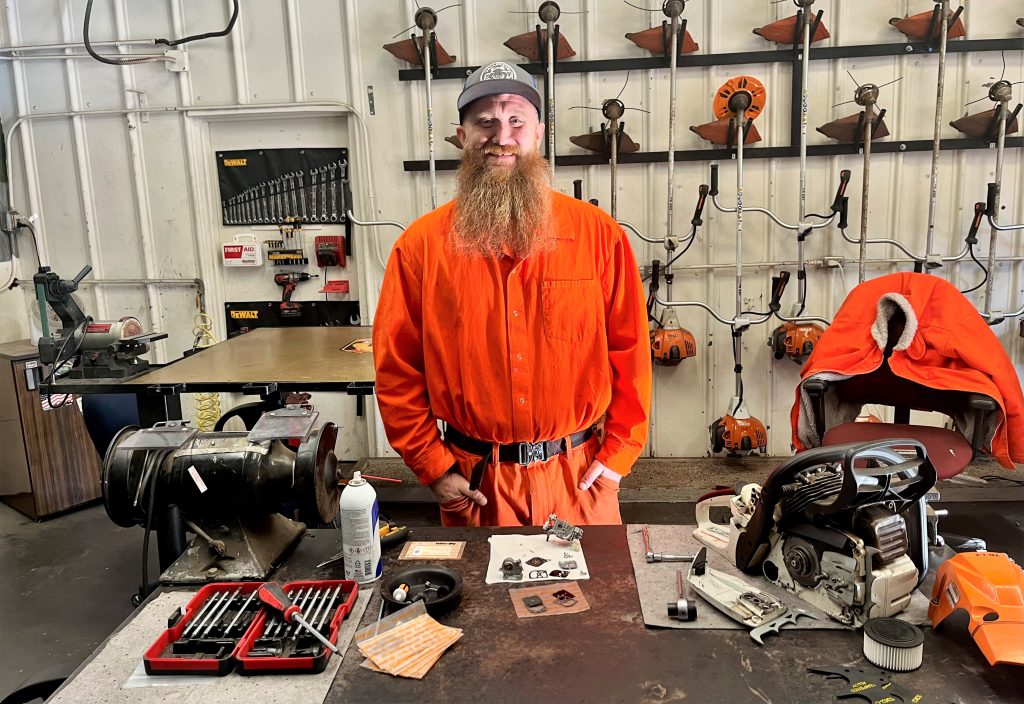
One such incarcerated support crew member is Scott DavidsonPorter currently assigned to Vallecito Conservation Camp #1 in Angels Camp. He also happens to be a master small engine mechanic and helps maintain the chainsaws.
DavidsonPorter gained his experience working in the family business saw shop. Unfortunately, the shop was lost in the Park Fire in the summer of 2024. After being assigned to the camp, he put his experience to work, taking on the small engine shop to proudly maintain the equipment used by the strike teams. DavidsonPorter has shown his unique skill, executing complete rebuilds of weed eater and chainsaw engines, saving the state an average cost of $300 per rebuild.
“I’m proud of the work I do and want to continue (this type of work) after I’m released,” he said.
Meanwhile, other camp participants support the Mobile Kitchen Unit (MKU). Throughout the state, CDCR camps have four MKUs ready to respond to campaign fires. The kitchens can feed up to 10,000 full-course meals each day. The MKU team comprises 20 to 40 incarcerated persons who are normally assigned in-camp duties such as cooks, kitchen support, porters and others. When activated, they work around the clock while on an MKU assignment, providing daily meals and maintaining sanitary conditions.
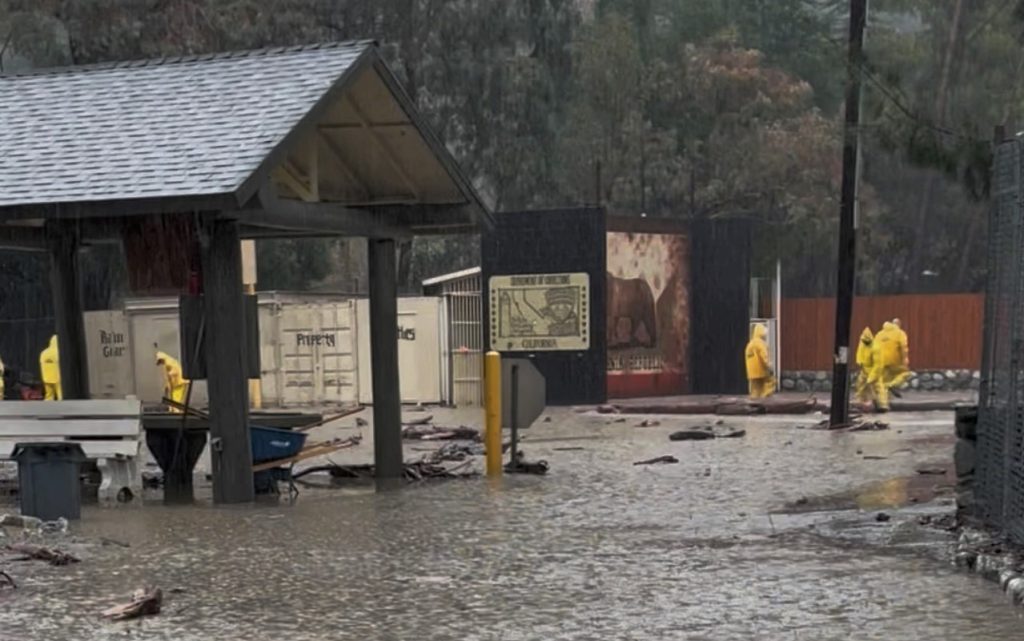
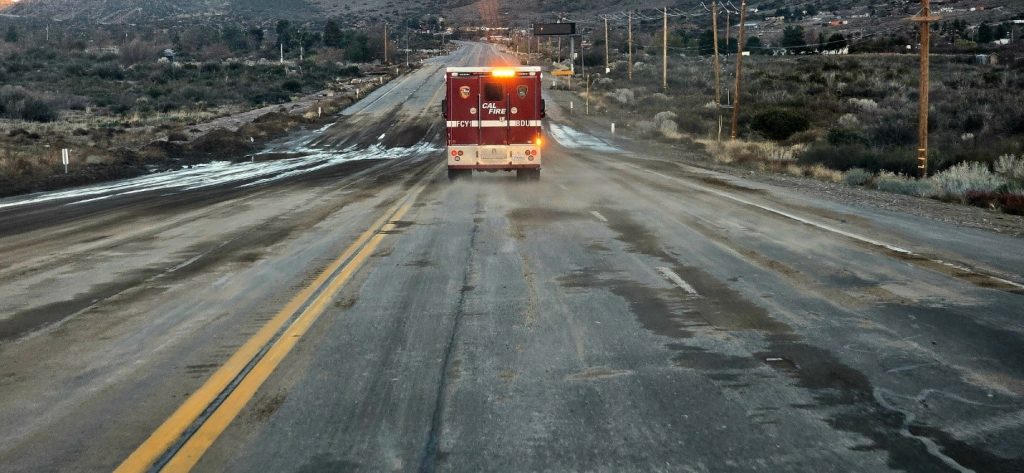
Supporting during floods, fires, disasters
CDCR camps have supported the line and played critical roles during large campaign fires. Support crews ensure the men and women assigned to these incidents are capable of executing their duties, according to officials.

These camps have been a major staple in wildland firefighting for years. The staff who oversee the camps division, in addition to grateful members of the public, are proud of their heroic determination when responding to all wildland fires, floods and providing aid to their surrounding communities.
Learn more about conservation camps and fire response.
Submitted by Lt. William Whitley, Sierra Conservation Center
Follow CDCR on YouTube, Facebook, X (formerly Twitter). Listen to the CDCR Unlocked podcast.
Firefighters and Camps
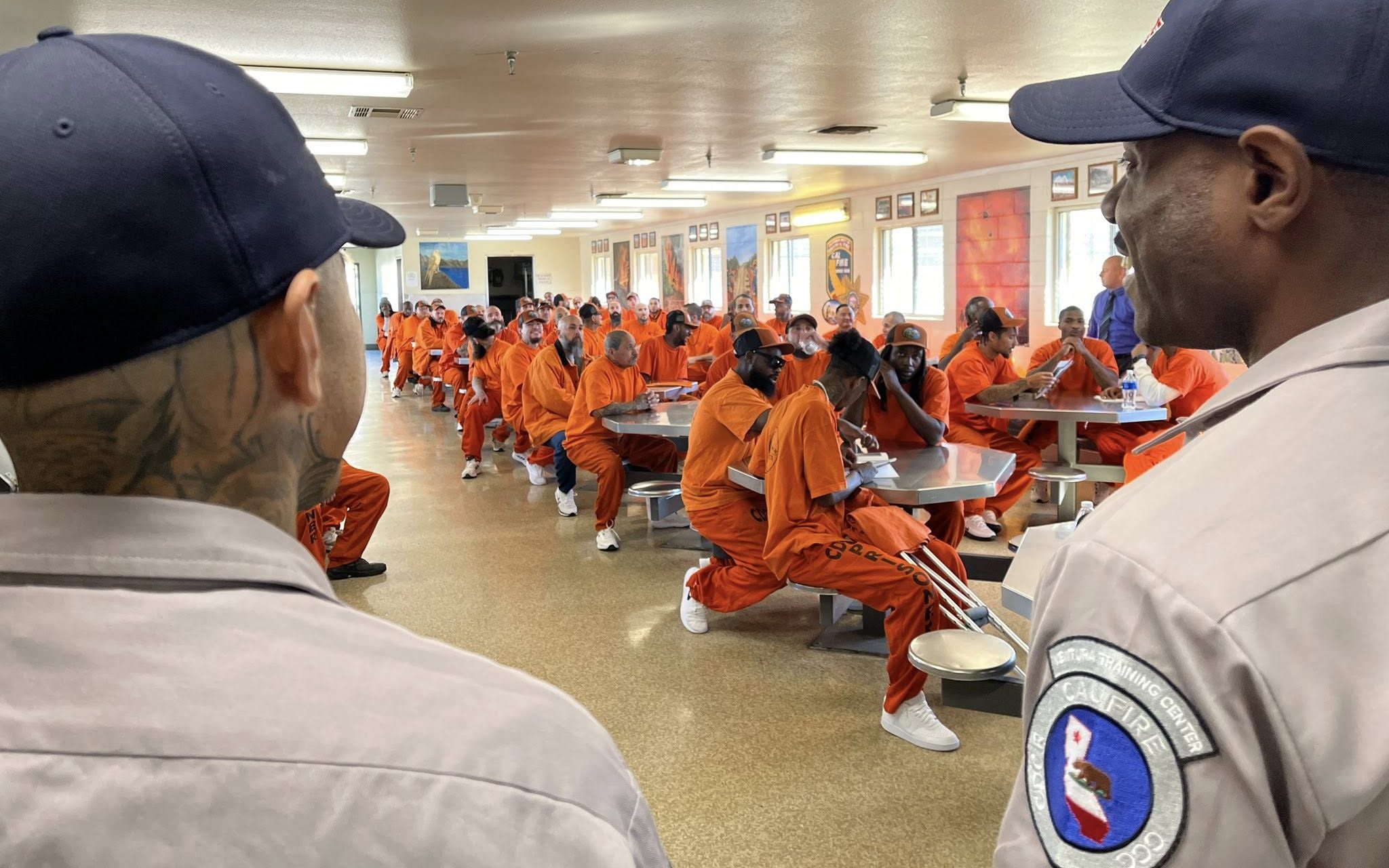
Ventura Training Center visits CMC’s Camp Cuesta
Participants from the Ventura Training Center (VTC) hit the road to talk with incarcerated fire crews about the center’s resources.…
Educational center opens at Malibu Conservation Camp
It was a community celebration as a new children’s educational center recently opened at Malibu Conservation Camp. CDCR, in partnership…
WSP‑RC fire department holds staff training
The Wasco State Prison – Reception Center (WSP-RC) fire department held simulated staff fire training Jan. 12. This is part…
Meet support crews behind Vallecito camp
Behind efforts to help communities during disasters are crews working in support roles such as those at Vallecito Conservation Camp.…
Remembering the LA fires: One year later
One year ago, a CDCR firefighting staff strike team was assembled to assist with the Palisades fire near Los Angeles…
From Training to Fireline: LA County fires one year later
Three Ventura Training Center (VTC) cadets who graduated from the program in December reflect on their time battling the deadly…