

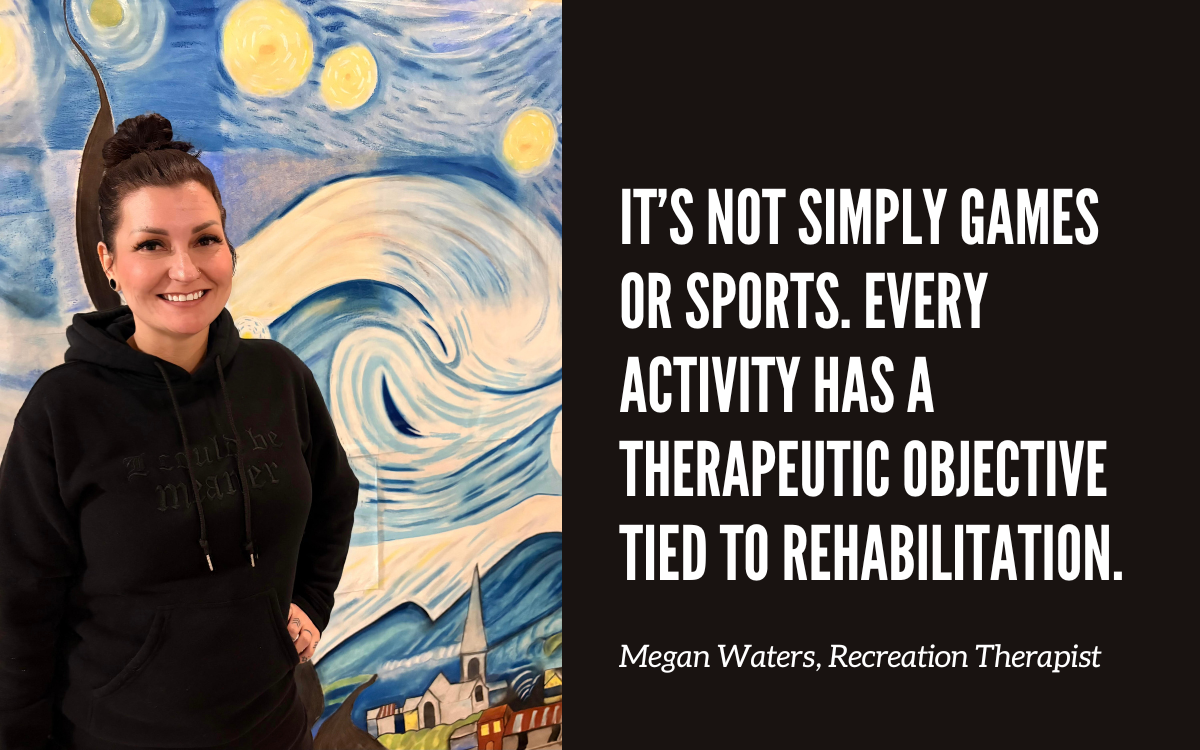
While a game of dominoes or an art project may look like recreation, to Recreation Therapist Megan Waters, these structured activities support long-term rehabilitation.
At California State Prison, Sacramento (SAC), Waters offers structured, evidence-based therapeutic intervention activities designed to support mental health, institutional safety and rehabilitation.
Waters has worked within CDCR’s mental health program for seven years, serving the Level IV Enhanced Outpatient population on A and B yards. Her role blends clinical treatment with creative modalities. She uses recreation as a tool to help individuals build coping skills, regulate emotions and strengthen pro-social behavior.
Clinical approach to recreation
“As a recreation therapist at SAC, my role is to use structured recreational interventions to support rehabilitation, mental health, and overall wellness for the incarcerated population,” Waters said. “I spend time assessing individuals’ needs (and determine if they are) related to stress management, social skills, anger regulation, or physical wellness. Then, I design activities and lead discussions to intentionally target those goals. Recreational therapy groups range widely from art to fitness to positive psychology to advanced guitar, with options only limited by imagination.”
Her days include facilitating therapeutic groups, collaborating with custody and clinical staff, documenting progress and participating in interdisciplinary treatment team meetings. She works alongside mental health clinicians, psychiatrists and custody staff and collaborates with substance use disorder counselors and the education department.
What often surprises people, Waters said, is the clinical aspect of recreation therapy.
“It’s not simply games or sports. Every activity has a therapeutic objective tied to rehabilitation outcomes. (They could help with) impulse control, emotional regulation, teamwork, or resilience,” she said. “While a group may be perceived as simply a fun game of dominoes, I am tracking the participants’ focus and concentration. (I’m also tracking) memory, and pro-social skills. Meanwhile, I’m also controlling elements … to develop distress tolerance, improve problem solving and enhance fine motor skills. (We do this) all while the participants are laughing and enjoying themselves.”
Recreation therapy in a correctional setting
Inside a correctional setting, recreation therapy is structured and aligned with individual treatment plans.
“This differs from general recreation because the intent is clinical,” Waters said. “General recreation focuses primarily on enjoyment and leisure. Recreation therapy, on the other hand, uses those same activities with intention. The activities address criminogenic needs, trauma responses, substance use triggers and mental health challenges.”
Lasting lessons
Waters has seen how small shifts in perspective can lead to meaningful change. She recalls working with one inmate-patient who struggled with setbacks and often undermined his own progress.
“I explained to him once that it was as if he was building a sandcastle. If he noticed a tower was crumbling, instead of just fixing that tower, he would kick over his entire sandcastle. He laughed but agreed,” she said.
The lesson endured. After leaving the institution and later returning, he referenced the analogy, telling her he “stopped kicking over his sandcastles.”
He later transitioned to the Correctional Clinical Case Management System (CCCMS). He also moved into an honor block and was recently approved to move to a Level III institution.
Seeing the bigger picture
Today, Waters hopes staff and the public better understand recreation therapy’s role in corrections.
“I would like staff and the public to understand that recreation therapy is not about entertainment or keeping them busy. It’s about rehabilitation,” she said. “It supports institutional safety, reduces stress, improves mental and physical health and teaches transferable life skills.”
Outside of work, Waters recharges through painting, drawing and supporting her children’s sports activities. She’s practicing the same balance and connection she encourages in treatment.
Story by Amanda Spangler, communications analyst
Strategic Communications & External Affairs
Office of Public and Employee Communications
Follow CDCR on YouTube, Facebook, X (formerly Twitter). Listen to the CDCR Unlocked podcast.
See more stories highlighting CDCR/CCHCS staff.
Related content
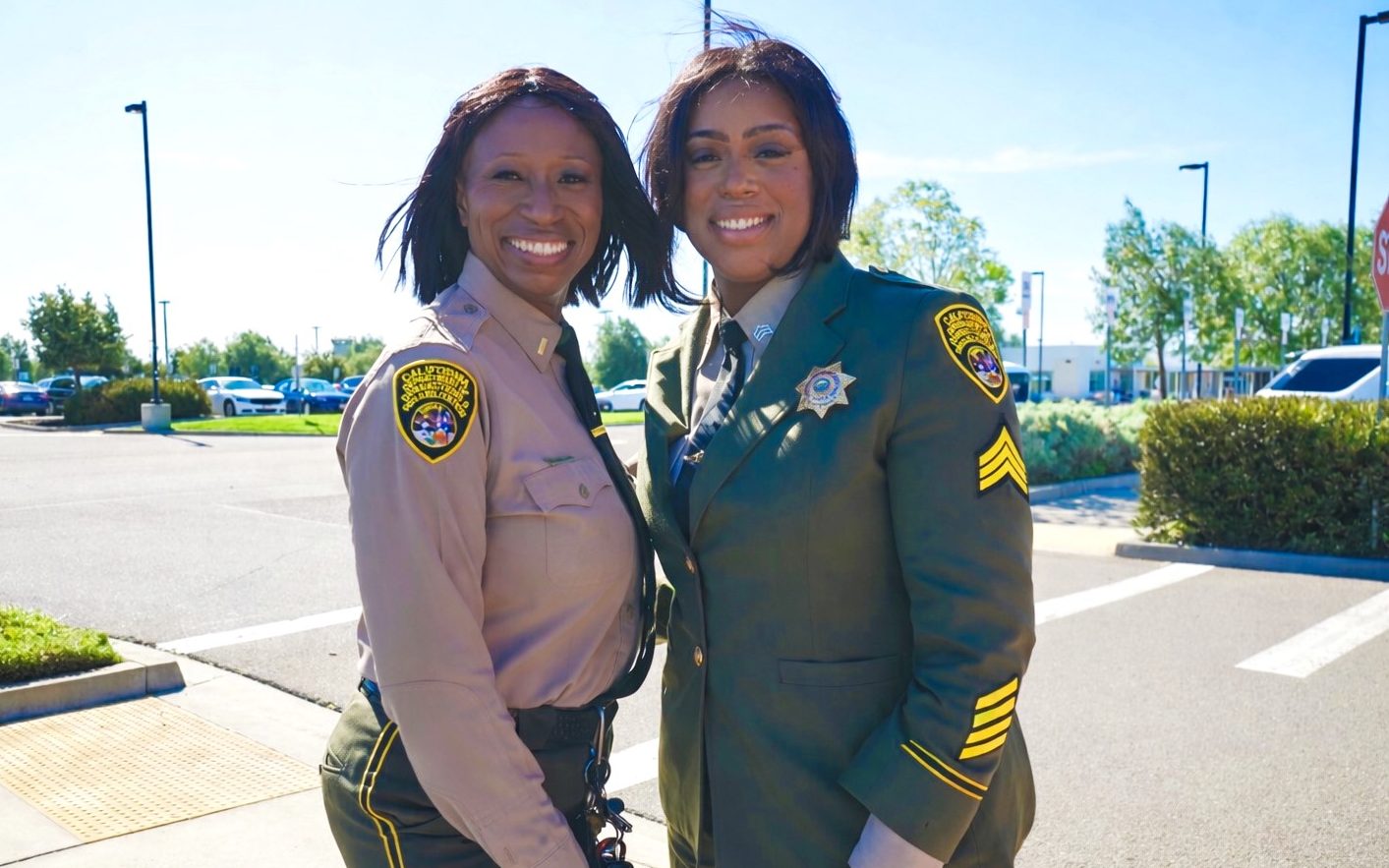
Mother & Daughter: Legacy of service
A mother’s work ethic and positive outlook inspired her daughter to continue the legacy and follow in her CDCR career…
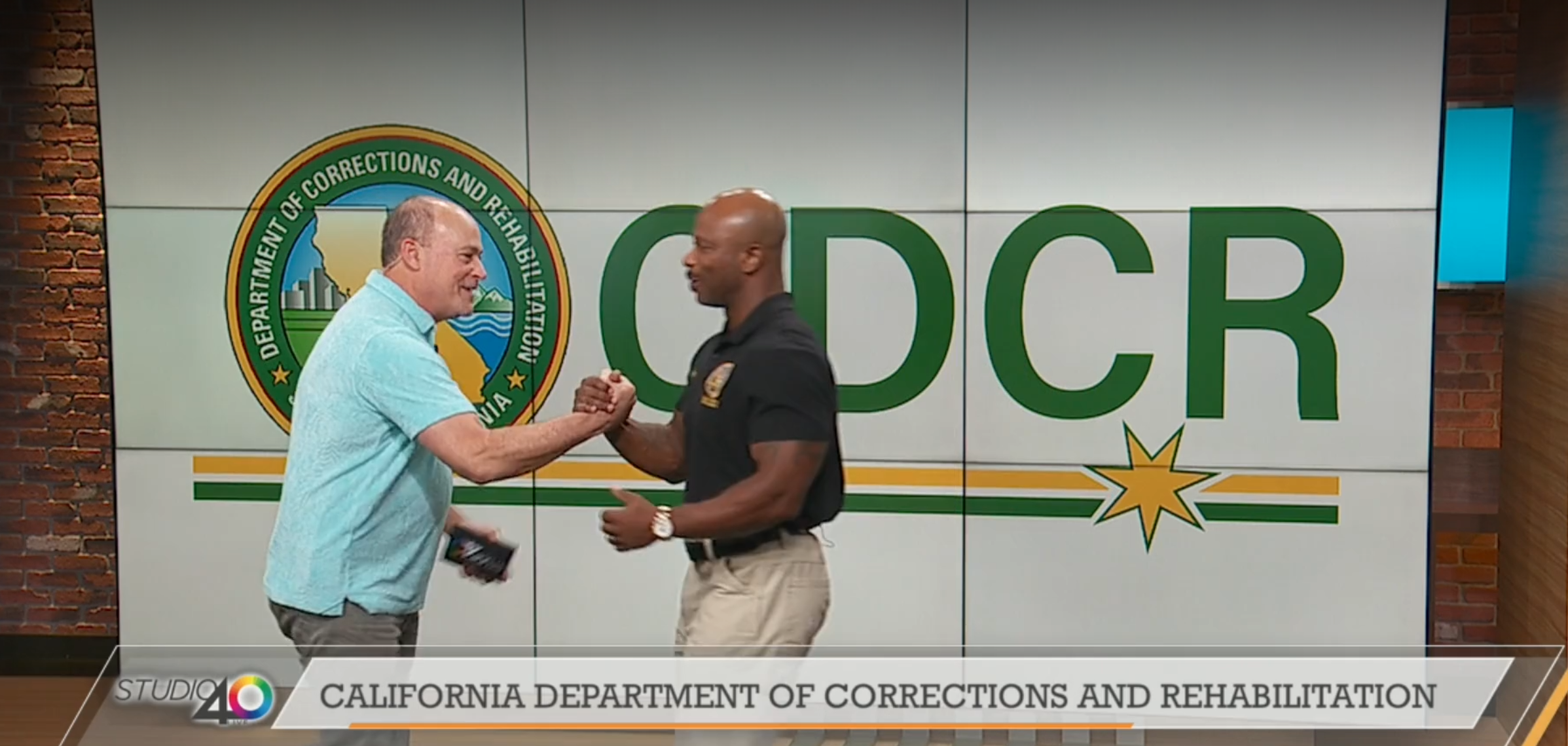
Watch: CDCR Public Safety Career Fair featured on Fox40 News
CDCR’s Third Annual Public Safety Career Fair at Sacramento City College on March 26 is creating quite the buzz. Danny…
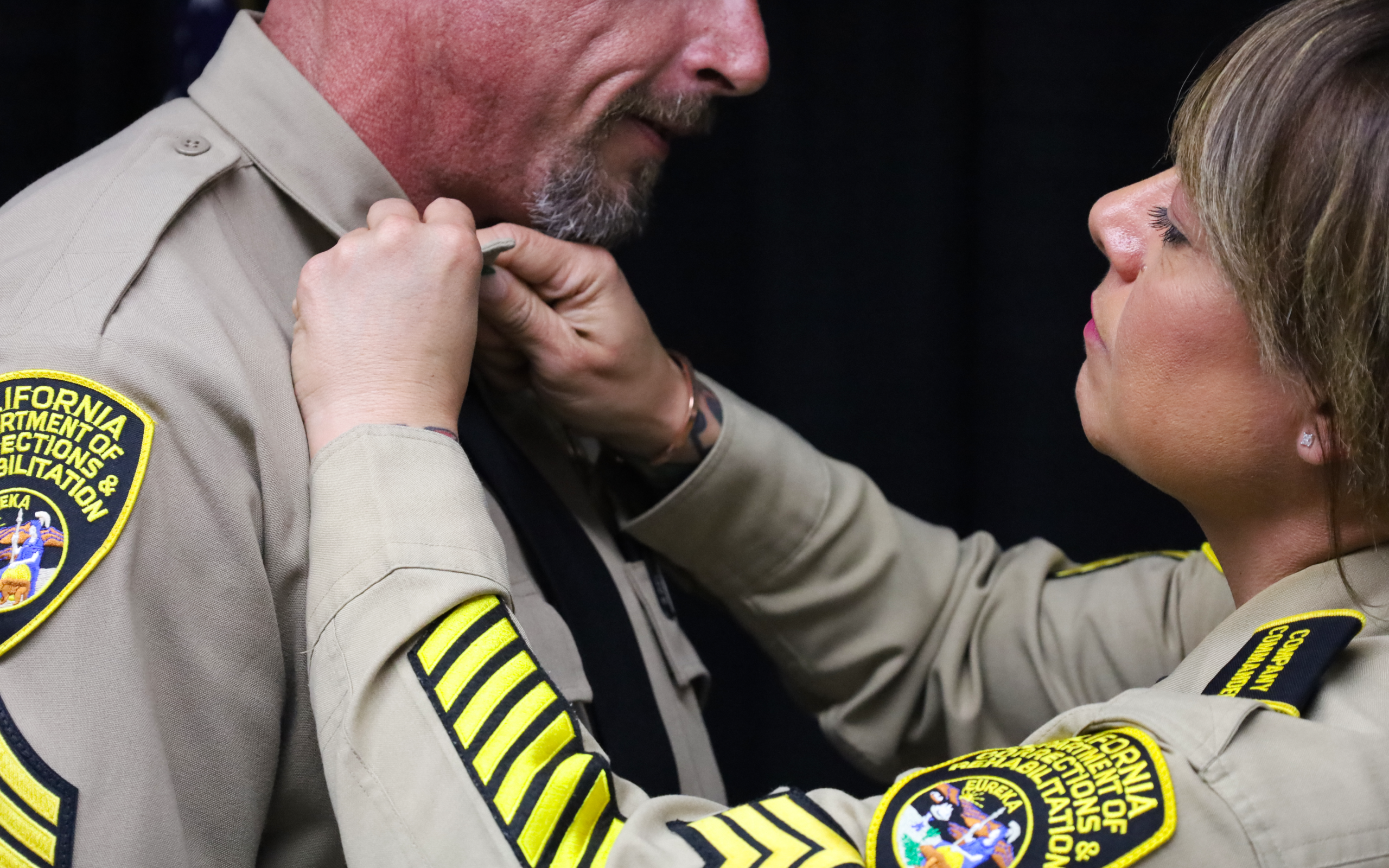
MCSP hosts sergeant promotion ceremony
Mule Creek State Prison (MCSP) hosted a correctional sergeant promotion ceremony, honoring the dedication and professional achievements of custody staff…
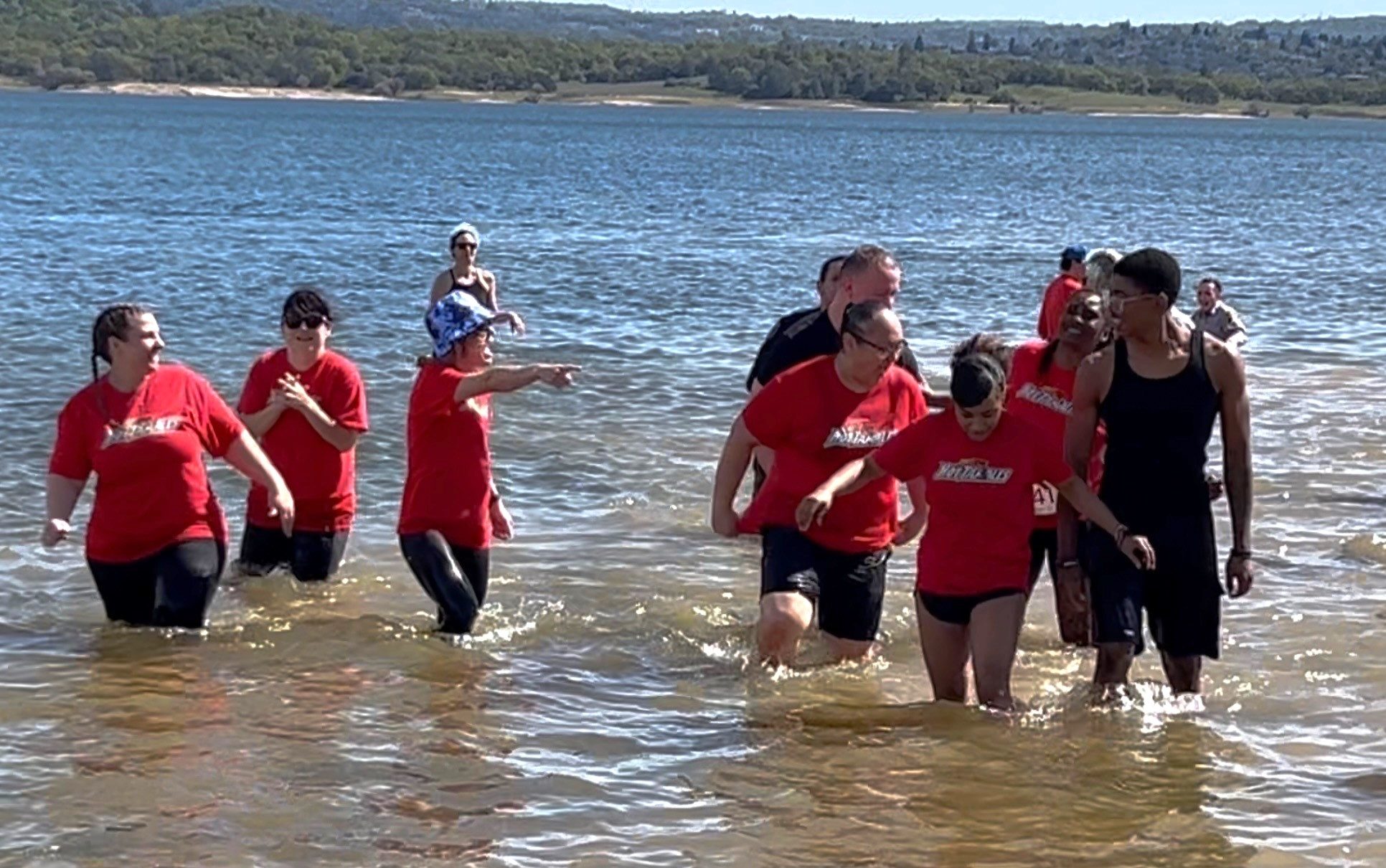
Staff get into Polar Plunge to benefit Special Olympics
CDCR and CCHCS staff are helping Special Olympics organizations across California by raising funds through the Polar Plunge. As more…
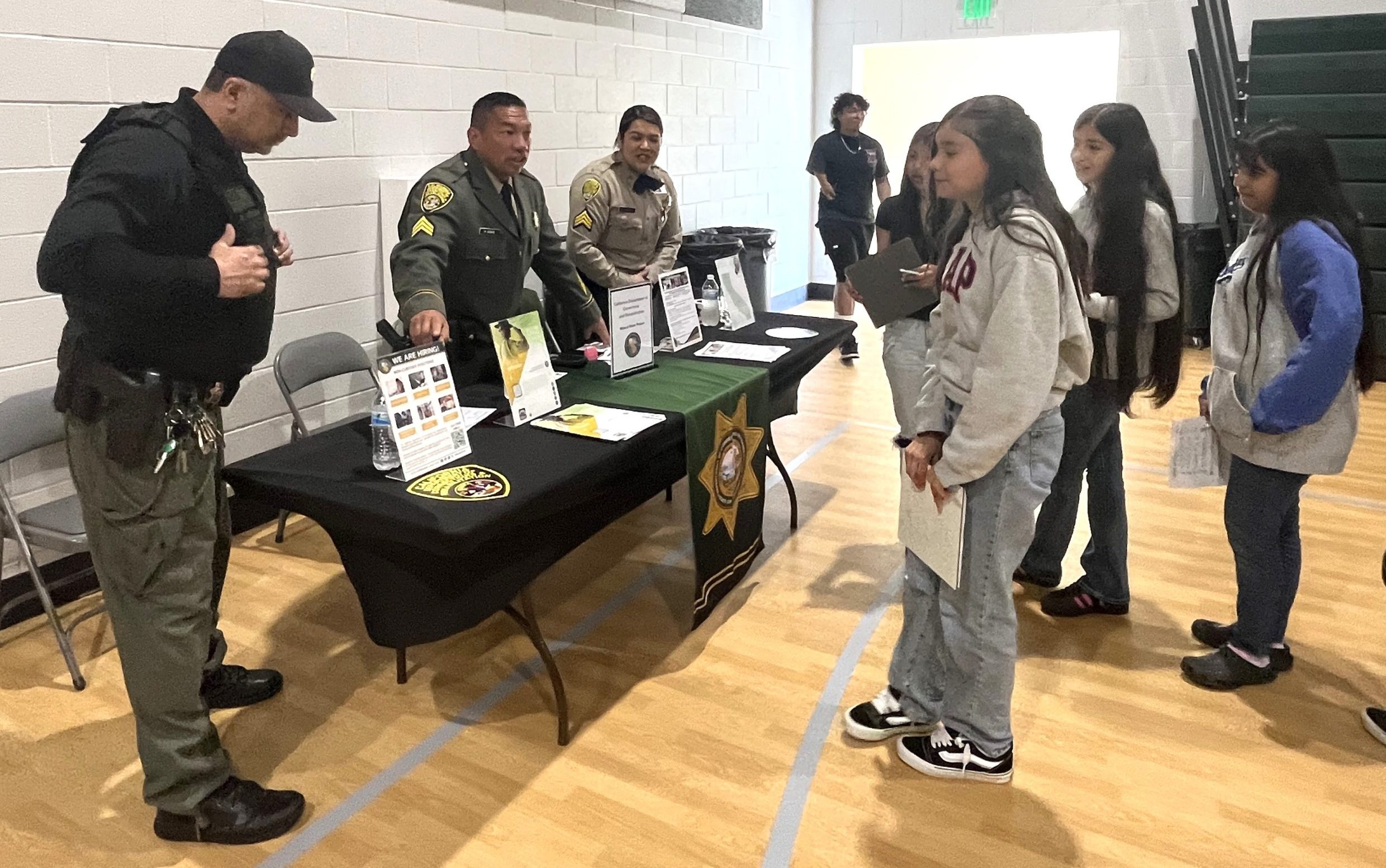
WSP‑RC recruiters attend middle school career fairs
Wasco State Prison-Reception Center (WSP-RC) attended college and career fairs at two middle schools in Wasco. The late February and…
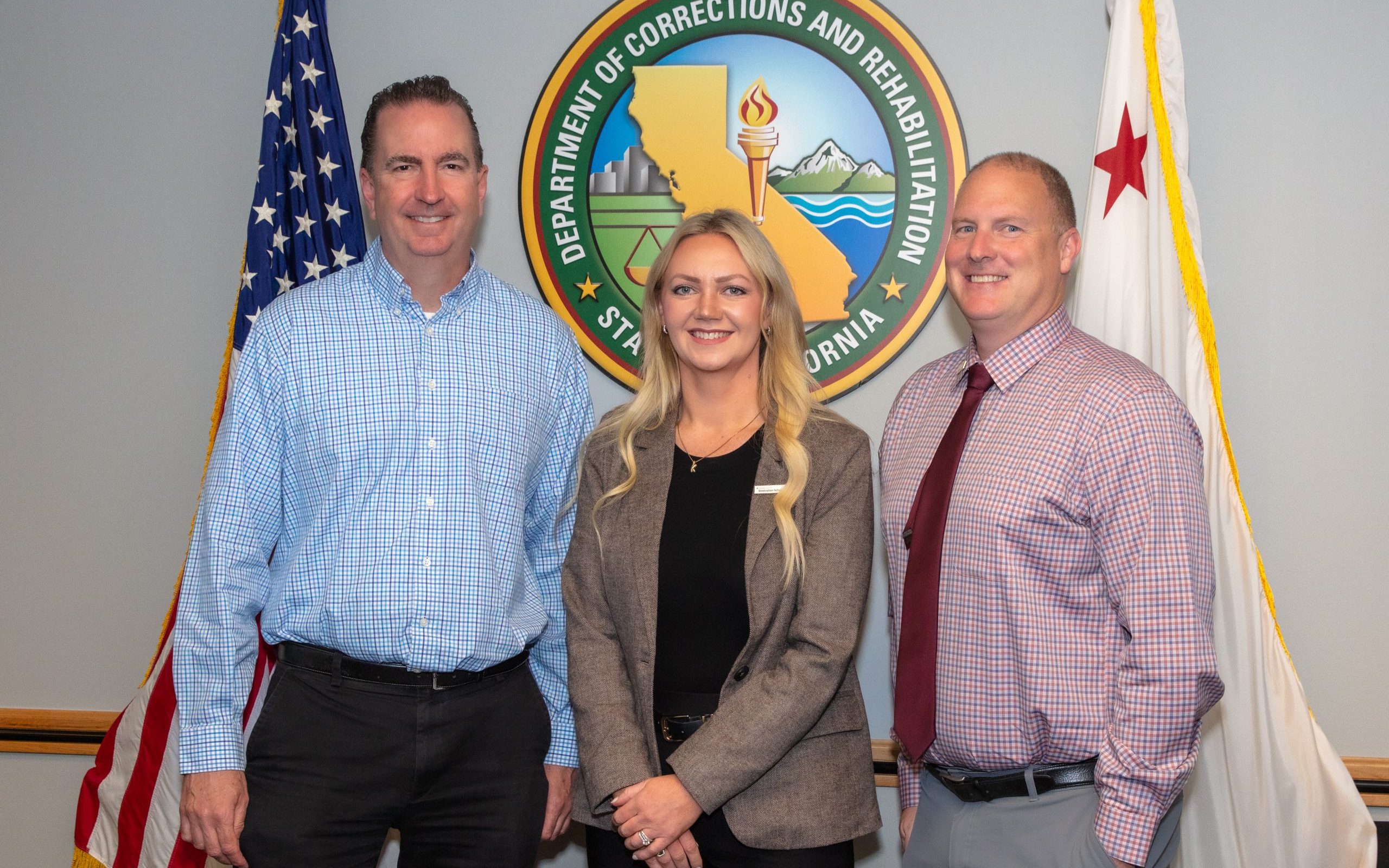
Watch: Two staff graduate Innovation Fellows program
Two CDCR employees have graduated the first cohort of the Governor’s Innovation Fellows program. Samantha Kissane and Chris Siino, both…