

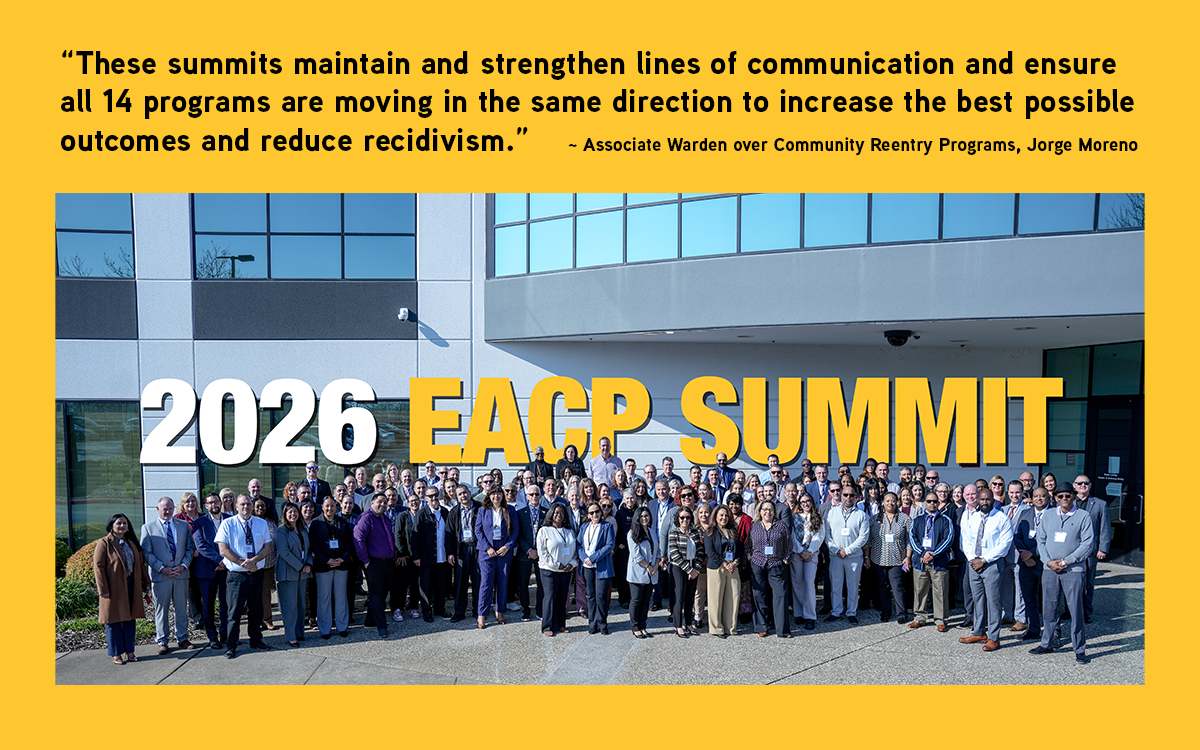
CDCR recently hosted its 2026 Enhanced Alternative Custody Programs (EACP) Summit, building on the demonstrated successes of programs including the Female Community Reentry Program (FCRP) and Male Community Reentry Program (MCRP).
“This summit brought together partners who make rehabilitation possible,” said Amy Casias, director of Division of Rehabilitative Programs. “Our community reentry programs show significantly lower recidivism rates than traditional custody settings. (This) success is driven by collaboration between CDCR staff and community organizations who are committed to helping people rebuild their lives and return to their communities successfully.”
The two-day event focused on vocational development, evidence-based programming, infrastructure optimization, data integration, and 2026 goal planning. Workgroup sessions were designed to encourage peer learning and collaborative problem-solving.
Community reentry programs reduce recidivism
Research shows participants in the MCRP and FCRP are significantly less likely to be convicted or return to prison than incarcerated people who did not participate. Last year, CDCR’s published its first report on recidivism rates of incarcerated people who participated in community reentry programs. The report finds on average, 78 percent of men and women who participate in these programs will not reoffend. These findings show a positive trend in California’s investments to improve public safety by providing incarcerated people with resources to help them become self-sufficient and aid in their transition into the community.
Jorge Moreno, associate warden over Community Reentry Programs, credited staff dedication for program successes.
“Our community programs are a success because of the truly vested staff who work and oversee the programs,” Moreno said. “These summits maintain and strengthen lines of communication and ensure all 14 programs are moving in the same direction. (They help) increase the best possible outcomes and reduce recidivism.”
Follow CDCR on YouTube, Facebook, X (formerly Twitter).
Read more rehabilitation stories.
Related content
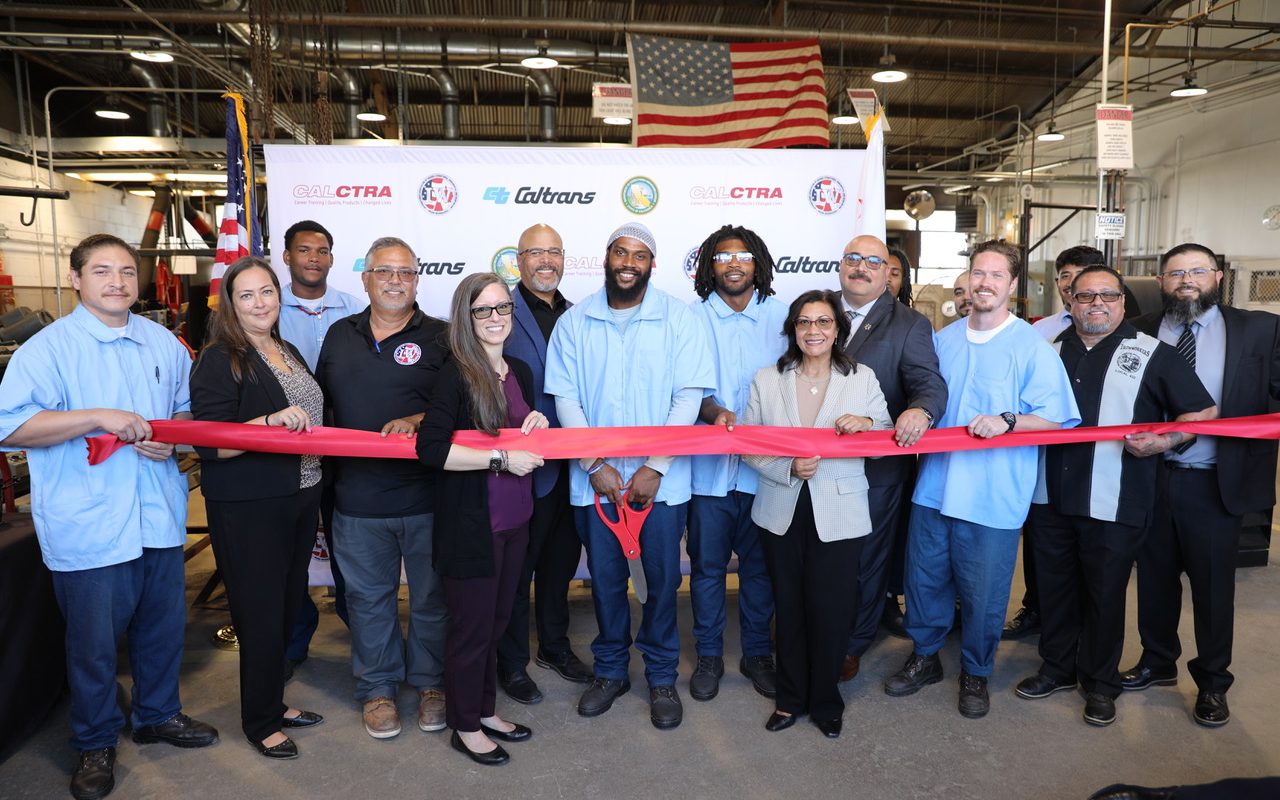
Caltrans, CALCTRA, CDCR, Ironworkers launch CIM program
The California Correctional Training and Rehabilitation Authority (CALCTRA), Caltrans, CDCR, and the Ironworkers Local Union 416 and 433, have launched…
Read More
CDCR schools ready incarcerated for reentry
CDCR schools are helping incarcerated individuals get ready for their eventual reentry back into the community. The Adult Basic Education…
Read More
Secretary leads San Quentin Learning Center tour
CDCR Secretary Jeff Macomber recently led a tour of the new San Quentin Learning Center for Governor’s Office staff and…
Read More