

A sprawling education system, complete with accredited adult schools, college classes and career training designed to transform lives, exists within the walls of CDCR’s institutions.
It’s Back to School 2026 and this year it means a new name and new emphasis. The Office of Correctional Education will change to the Office of Academic and Career Development, according to Superintendent Genevie Candelaria.
“We’re very proud of it. The new name reflects the progress and professionalism of education work inside our schools. It is the hard work. It is the big lift. We are transforming lives,” Candelaria said.
She underscored the importance of career development, noting employers recognize the skills of incarcerated students who have access to training and certifications. Some of these include Occupational Safety and Health Administration (OSHA), Multi-Craft Core Curriculum (MC3) and a California State Cosmetologist Manicuring/Barbering License.
Training students to fill jobs after incarceration
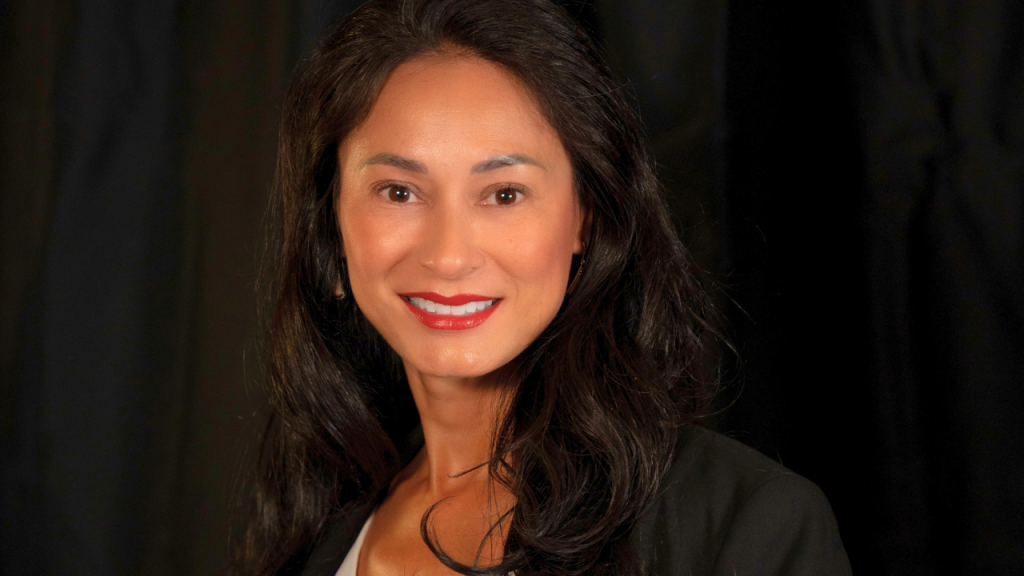
“With hands-on training, students will have the ability to leave the institution and seek employment right away,” Candelaria said. “Employers are now looking at our students to be able to fulfill the demands of the workforce needed in our communities.”
Education programs offered in CDCR help increase safe reentry. People who earned Educational Merit Credits while incarcerated succeeded on parole at a rate of 76.7 percent.
Looking ahead, she said continued expansion of technology, instructional resources and stakeholder engagement will better prepare students for reentry.
“When I say our classrooms and adult schools look like they are on the outside, we want students to come into these spaces knowing there is a place for them to learn. They have a place to prioritize themselves,” Candelaria said. “We are not looking to say, ‘Hey, here’s your pen and paper’ anymore. We need folks to be digitally literate and comfortable with technology. (You will be) able to go outside and apply for a job, go to college and manage your household.”
The goal is they can do these tasks with the education and skills they acquired.
With 21 years in CDCR, Candelaria said her experience in women’s and men’s institutions shaped her commitment to practical, student-focused reforms.
She also encouraged students and staff to actively participate in teaching and learning. Candaleria stressed education is one of the few things no one can take away.
“Education is transformative,” Candelaria said. “You are a valuable stakeholder in this process (and) are capable of learning. You can achieve your goals. Nobody can take away your education.”
Story by Eric Escalante, information officer
Office of Public and Employee Communications
Follow CDCR on YouTube, Facebook, X (formerly Twitter).
Read more rehabilitation stories.
Related content
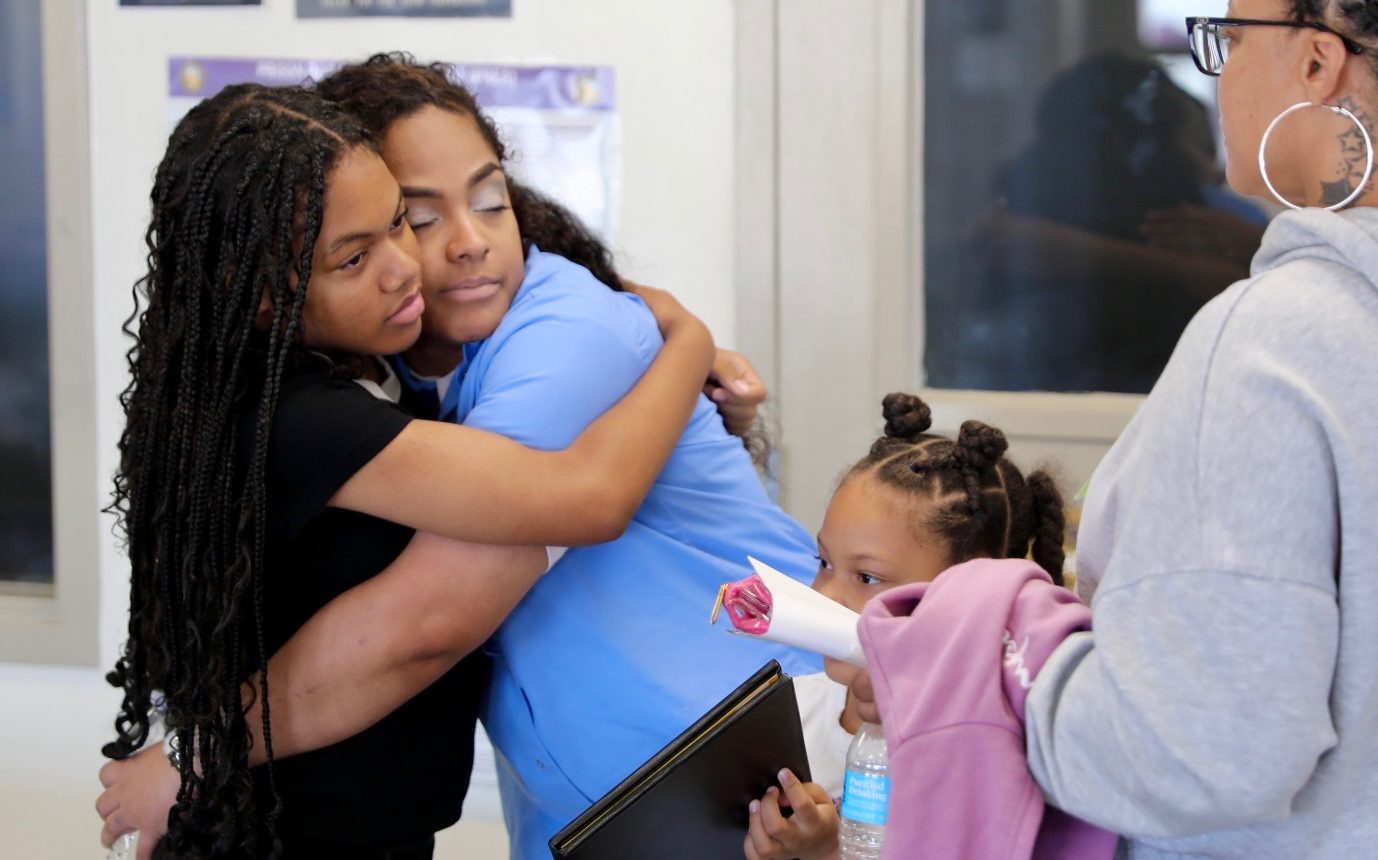
CALCTRA celebrates 56 graduates at CCWF
A milestone achievement was celebrated at Central California Women’s Facility (CCWF) in Chowchilla as 56 graduates completed the California Correctional…
Read More
Painting Over It: Healing Through Arts at CIM
Damian Reyes has converted incarceration into rehabilitation, thanks to Healing Through Arts, a program started at California State Prison, Los Angeles County.…
Read More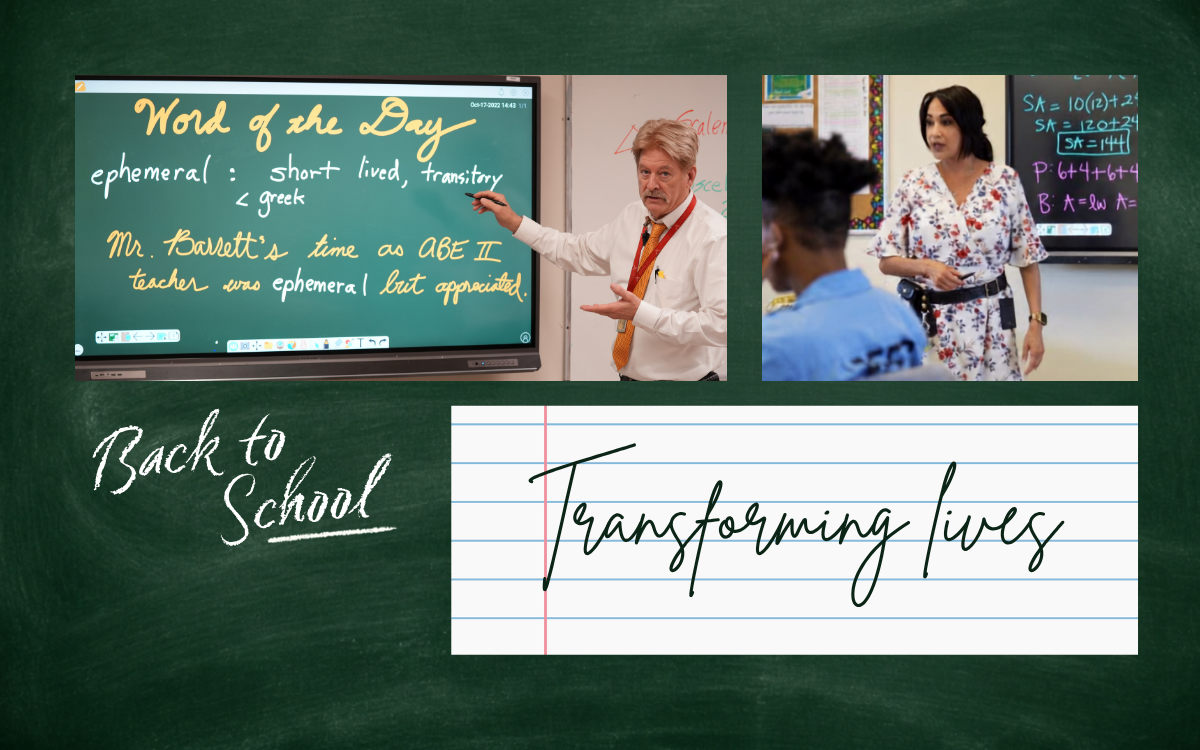
Transforming lives: How CDCR is redefining prison education
A sprawling education system, complete with accredited adult schools, college classes and career training designed to transform lives, exists within…
Read More