

Restorative Justice
The commonly accepted definition for “restorative justice” used internationally is “a process whereby parties with a stake in a specific crime resolve collectively how to deal with the aftermath of the crime and its implications for the future.”
Objectives of restorative justice are to attend to victims’ needs, enable those responsible for committing the crime to assume responsibility for their action, reintegrate them into the community, and recreate a working community that supports victims and rehabilitation of the incarcerated individual.
“Restorative Justice in its simplest form: crime violates people and creates
obligations.” – Howard Zehr
The Office of Victim and Survivor Rights and Services coordinates programs with the assistance of community organizations and volunteers that facilitate these principles of restorative justice and promote victim healing, as well as, the healing and accountability of the incarcerated population.
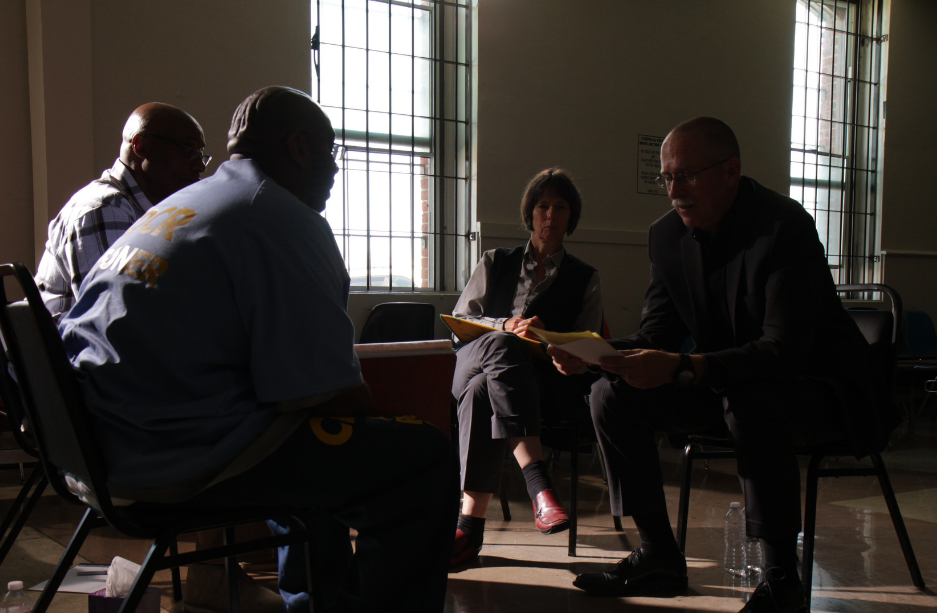
Victim Offender Dialogue Program
Victim Offender Dialogue (VOD) is a process in which the victim of a crime, or the surviving family members, and the person who committed the crime meet face-to face in a safe and secure setting. For certain victims/survivors of severe violence and violation, the facilitated VOD process can provide a pathway to a sense of further healing and further justice. At the same time, when an incarcerated person is able to listen and respond to them, and to give voice to the complexity of feelings about what they have done, they can better understand the devastating effects of their behaviors.

Accountability Letter Bank
The Accountability Letter Bank (ALB) offers incarcerated individuals under the jurisdiction of the California Department of Corrections and Rehabilitation (CDCR) an opportunity to write a thoughtful, appropriate apology letter to their victim/victim family member, with the assistance of approved program facilitators. Accountability letters are an important part of the restorative justice process and can serve a vital role in the healing of the victims, as well as the rehabilitation of the incarcerated individual.

Restitution Responsibilities
Restitution can be another valuable part of the restorative justice process as financial accountability for the crimes committed. Restitution means “paying back.” A law dictionary defines restitution as an, “act of restoring; restoration; restoration of anything to its rightful owner; the act of making good or giving equivalent for any loss, damage or injury.” The purpose of restitution fines or direct order of restitution is to help victims recover from any financial hardship caused due to your criminal activity. Restitution may cover medical bills, funeral expenses, and the cost of repairing damaged property.
Restitution is ordered by the court and is part of your sentence. The restitution order is read out loud in court along with the terms of confinement.
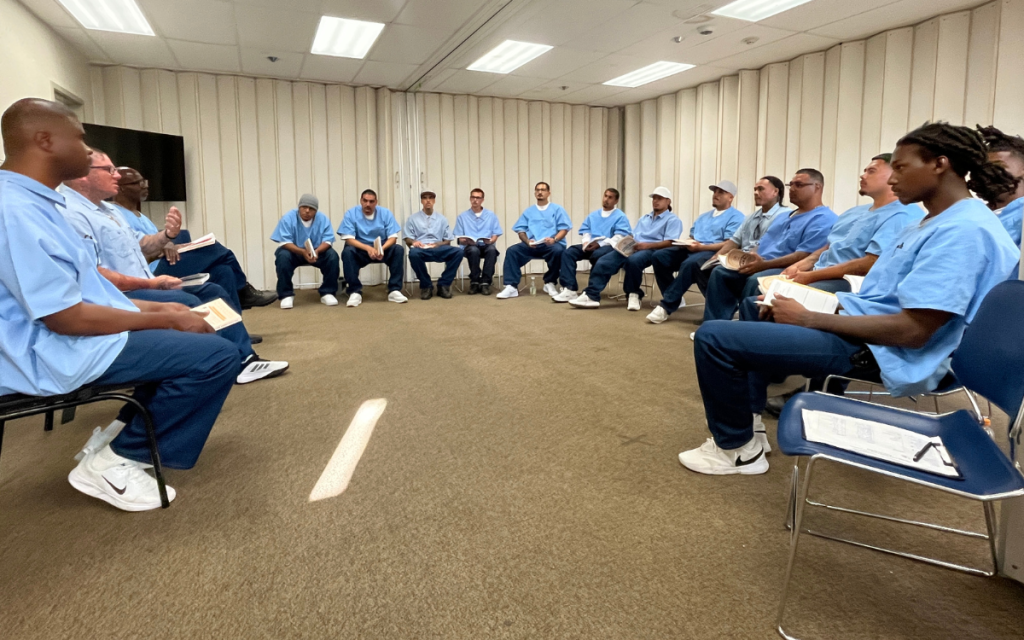
In-Prison Programs
In Prison Programs provide comprehensive educational programs, treatment programs, and pre-release rehabilitative programs for incarcerated individuals including Victim Impact/Awareness and Restorative Justice.
To view information about available programs at a specific institution visit the Division of Rehabilitative Programs In-Prison Programs webpage.
View List of In Prison Programs at each CDCR Institution
Community Partners enhance public safety and promote successful community integration through education, treatment and active participation in rehabilitative and restorative justice programs. An integral component of these efforts includes our partnership with members of the community who provide services to offenders. Volunteers and Program Providers are a significant and vital part of the correctional system.
Contact information for Community Resource Managers at each CDCR Institution
For further information or questions regrading Restorative Justice programs or restitution please contact the Office of Vitim and Survivor Rights and Services at 1-877-256-6877 or by email at the following:
Victim Services Unit – victimservices@cdcr.ca.gov
Restitution Services Unit – CDCRRestitution@cdcr.ca.gov
Victim Offender Dialogue – OVSRS_VOD@cdcr.ca.gov
Accountability Letter Bank – OVSRS-ALB@cdcr.ca.gov
Necesita ayuda en Espanol? CDCROVSRSSpanish@cdcr.ca.gov