

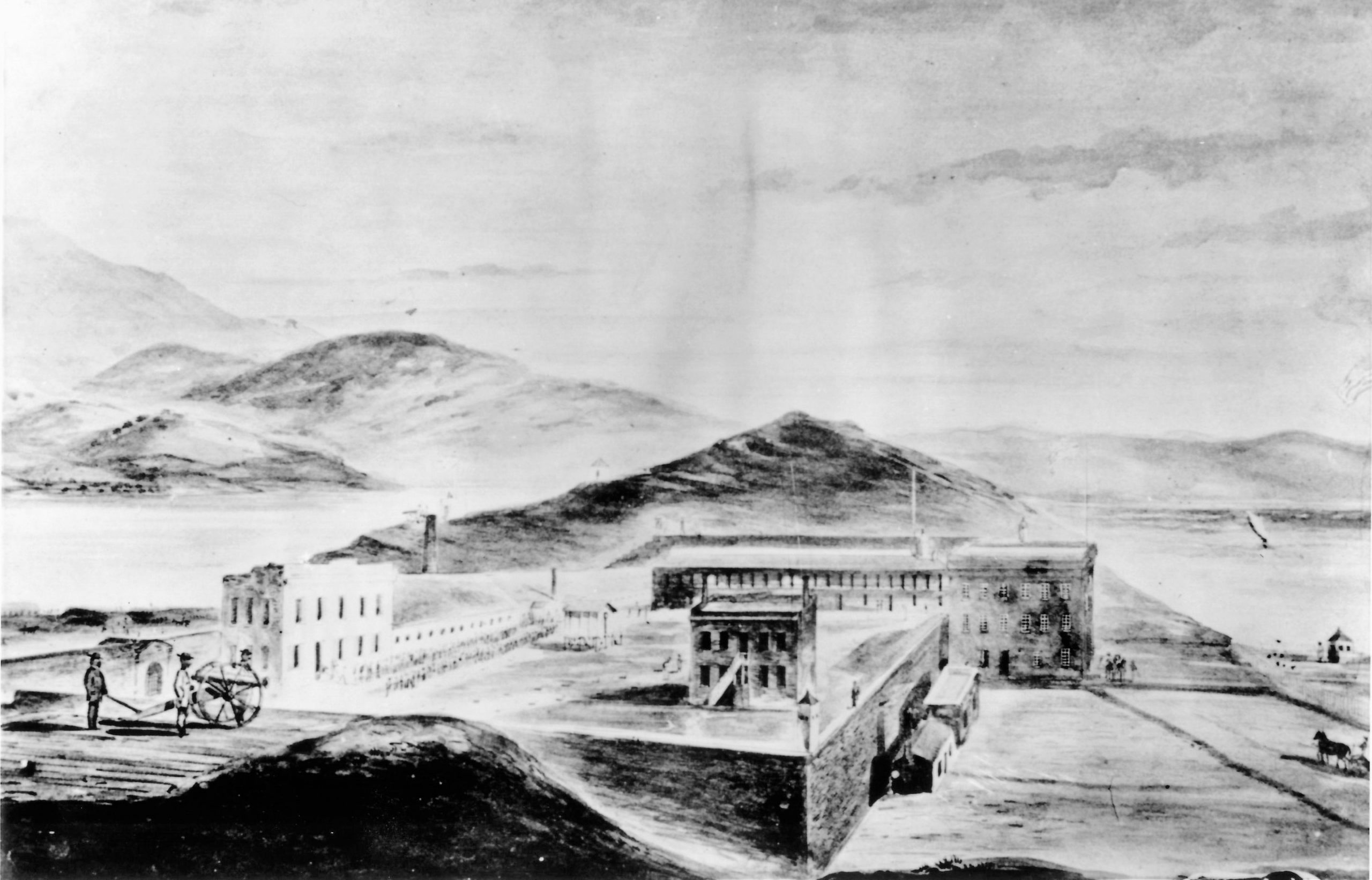
From the first days of California statehood, the fledgling government wrestled with how to handle those who broke the law.
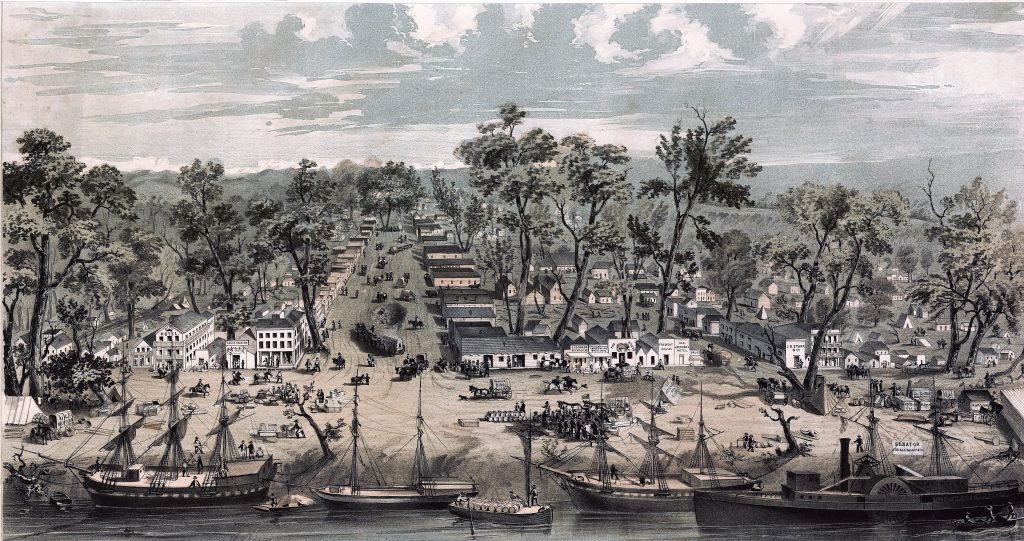
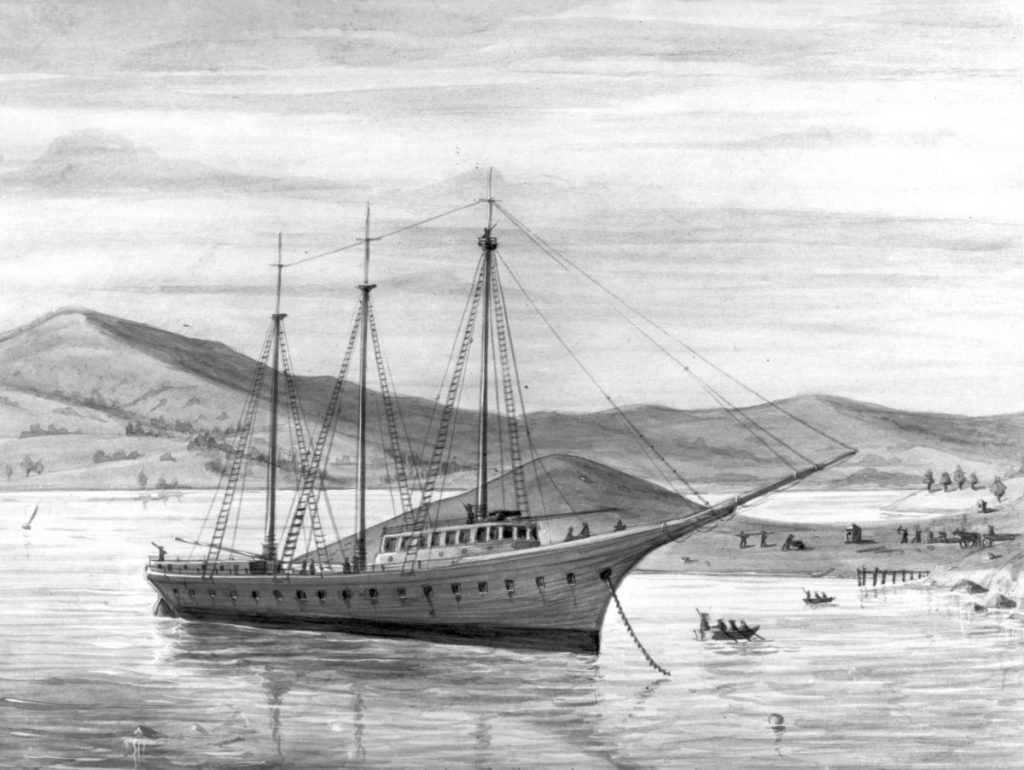
In January 1851, the Legislature designated county jails to act as state prisons. Later that year, the state acquired the Waban, a ship abandoned by its crew during the Gold Rush.
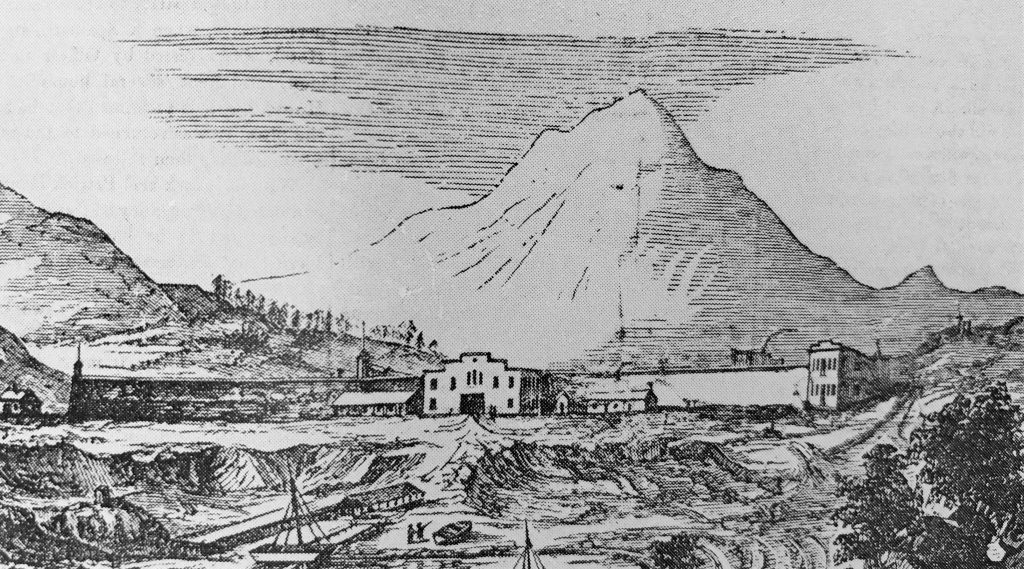
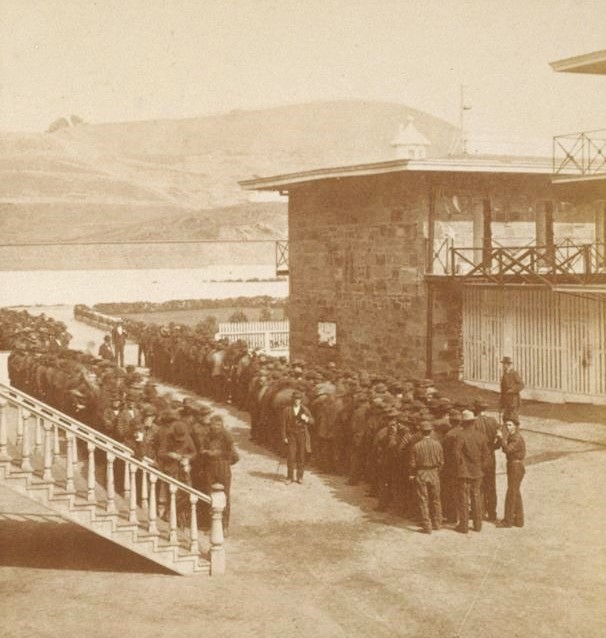
The ship served as the first official state prison, housing incarcerated men and women at night. They had jobs during the day quarrying stone to build San Quentin’s first cell block, established in 1852.
San Quentin prison: From ship to shore
The first incarcerated person at California’s state prison was Charles Currier. “Inmate No. 1” was received Jan. 25, 1851, aboard Sacramento’s La Grange. He was transferred to the newly acquired Waban in December 1851. (Read the earlier story about the first incarcerated population.)

Job training became the goal
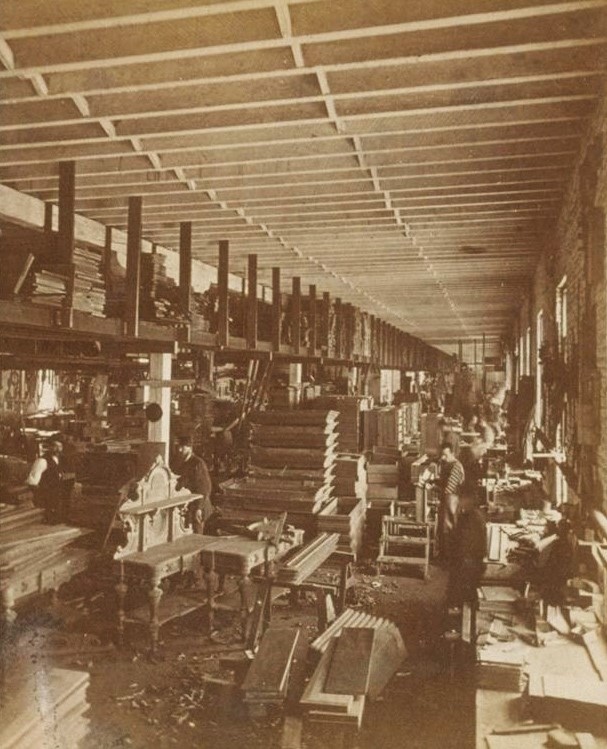
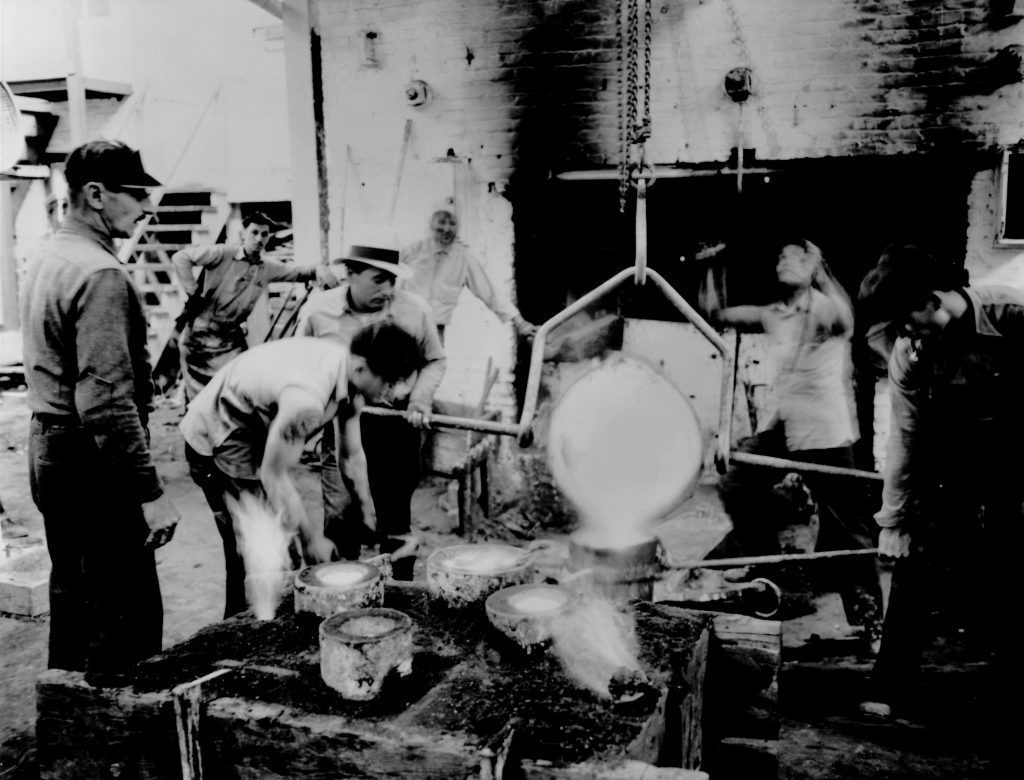
Early penal institutions around the world focused on incarceration and punishment. The same was said about San Quentin in the beginning. Over time, the mission evolved to include methods of rehabilitation. Early job-training programs involved construction, agriculture and manufacturing. (Read the earlier story about rehabilitation efforts.)



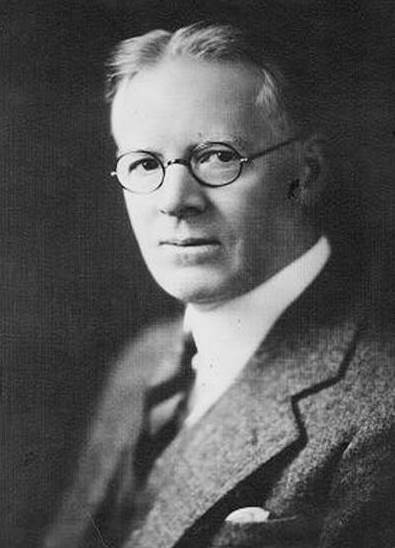
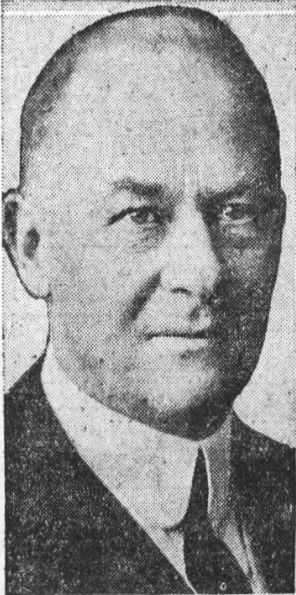
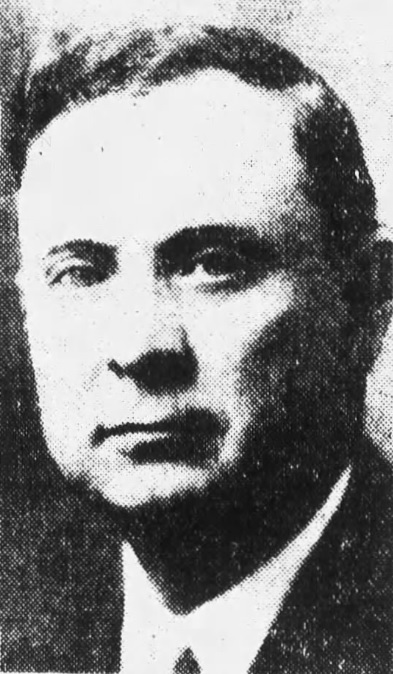
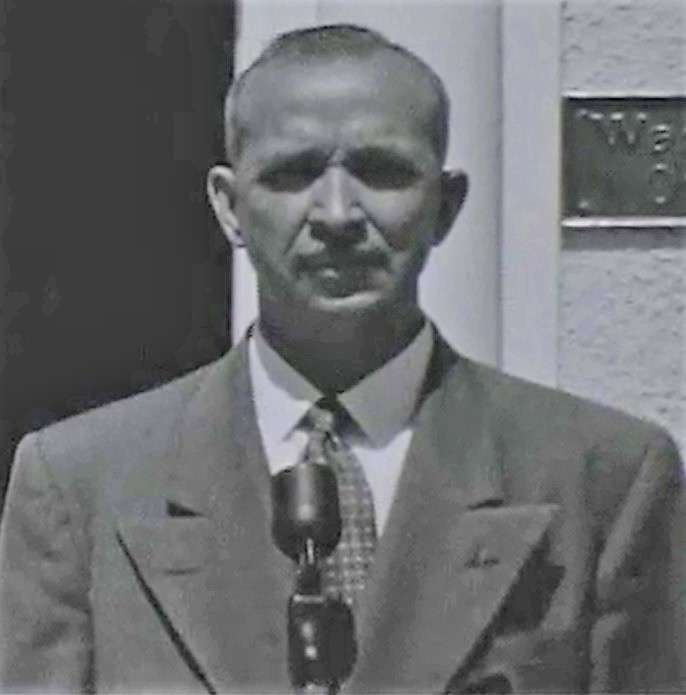
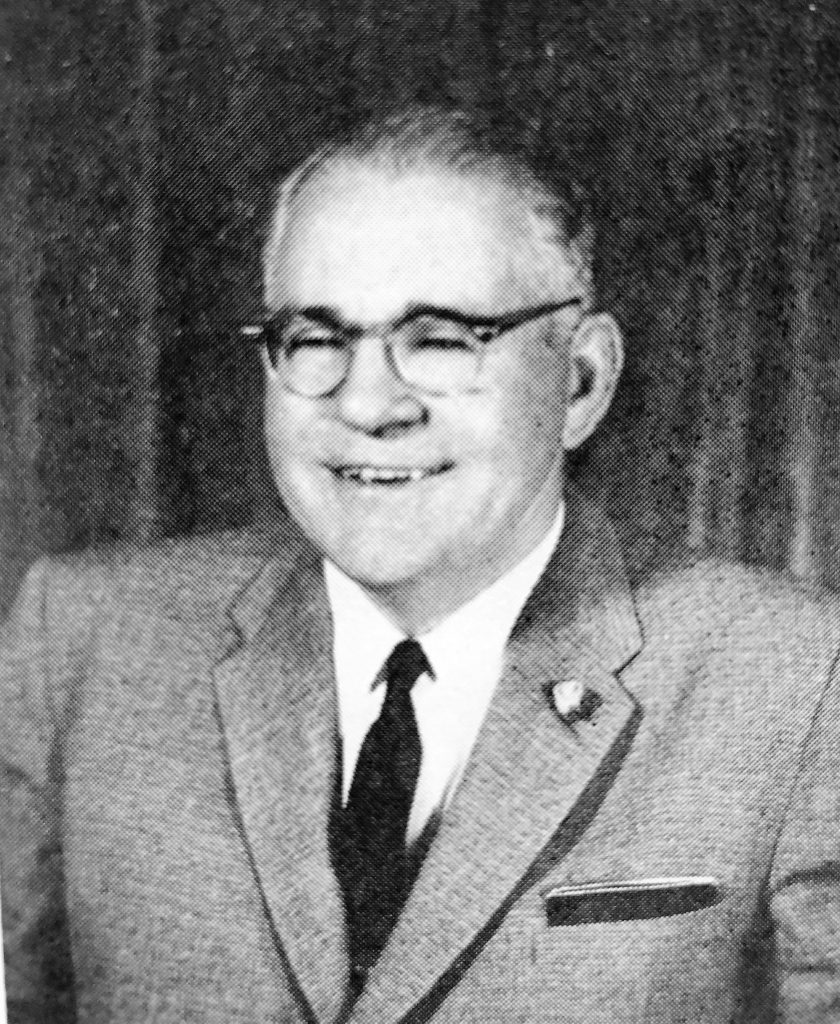
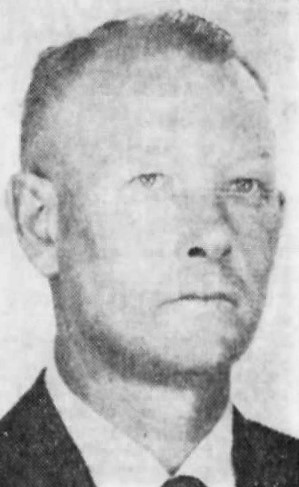
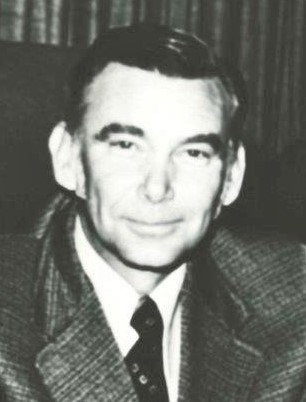
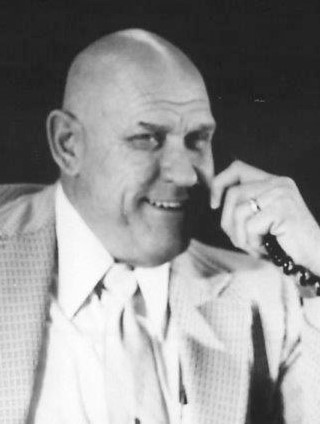
San Quentin wardens, 1880-2019
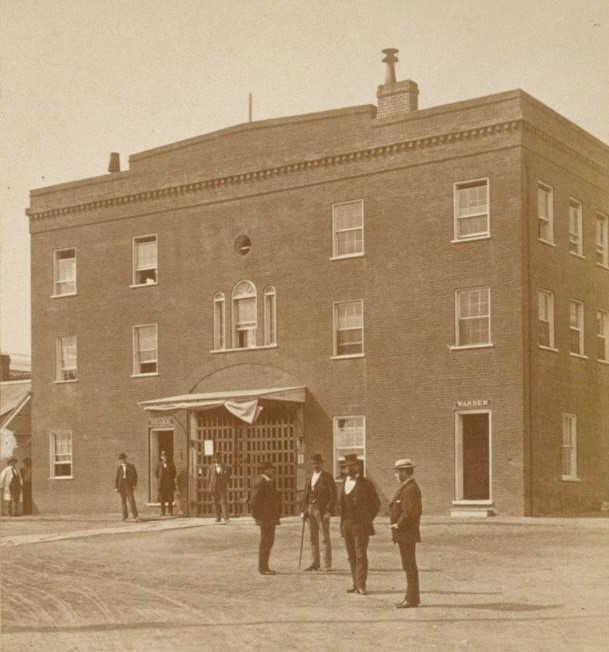
From the 1850s through 1880, those in charge of the prison ranged from contractors to prison directors and the Lieutenant Governor.
The first true warden was Josiah Parker Ames in 1880, a veteran of the Mexican War. He was honorably discharged in Monterey in 1848 and went to work in the mines in Calaveras County. He became a San Mateo County supervisor and state legislator, passing away in 1903.
Prison experience wasn’t a requirement to hold the warden’s post.
James Johnston, appointed warden of Folsom Prison, told the governor he had no experience. Actually, the governor wanted someone with a fresh viewpoint. As San Quentin’s warden, he implemented major changes. After retirement, the federal government tapped him to serve as the first warden for Alcatraz Federal Penitentiary.
Even Johnston’s San Quentin replacement wasn’t an experienced warden. State Printer Frank J. Smith served in the post from from 1925-27.
Warden Clinton Duffy, 1940-51, brought many changes to the prison, furthering the rehabilitative programs of previous wardens.
Warden Harley O. Teets, who saw Duffy as a mentor, served as warden from 1951-57.
“Modern prisons have a duty of trying to improve prisoners committed to their care,” Teets said in 1952. “Our job (is) to rehabilitate (so) when released, he will be a useful member of society.”
Warden pushes to preserve history
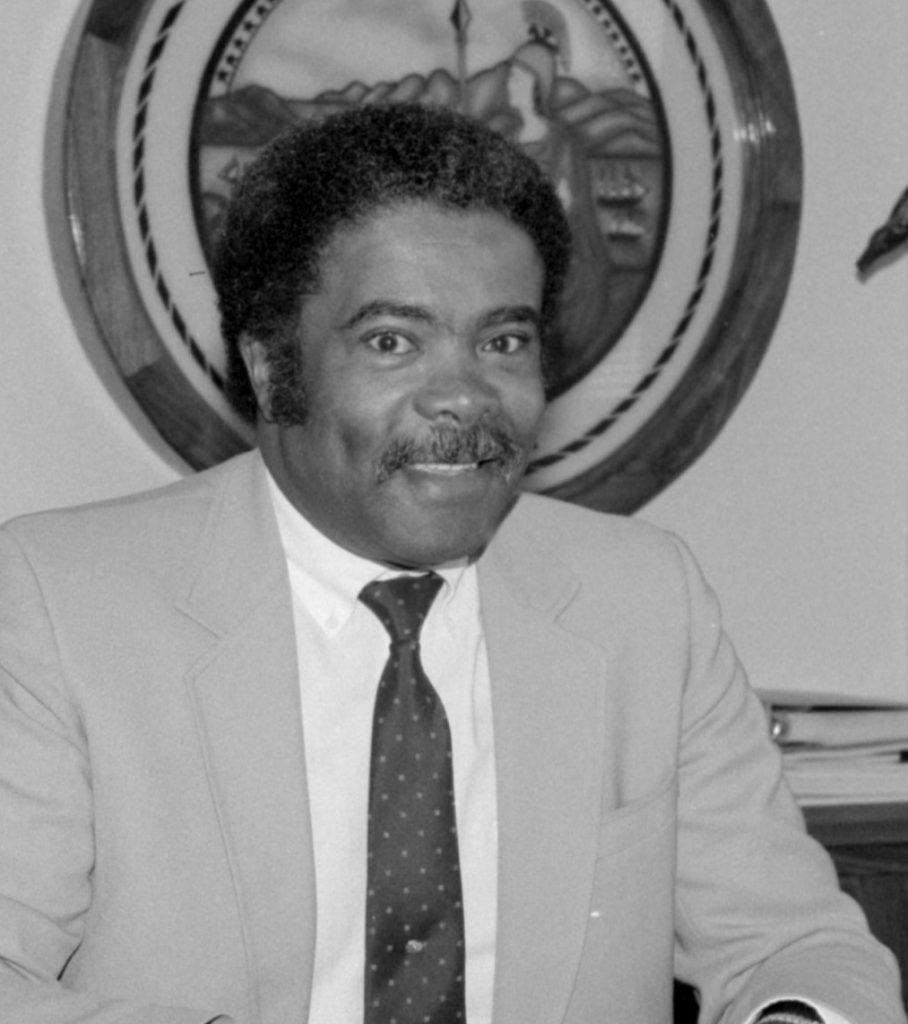
Appointed in 1977, Warden George Sumner’s efforts helped preserve the history of the institution.
Two years later, he advocated having a book written about the prison’s history.
“There are relics of great historical value here. I’m trying to make a museum,” he told the Associated Press in 1979. “The history of penology in California has happened right here.”
Below are many of San Quentin’s wardens.
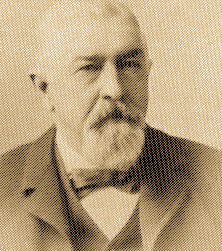


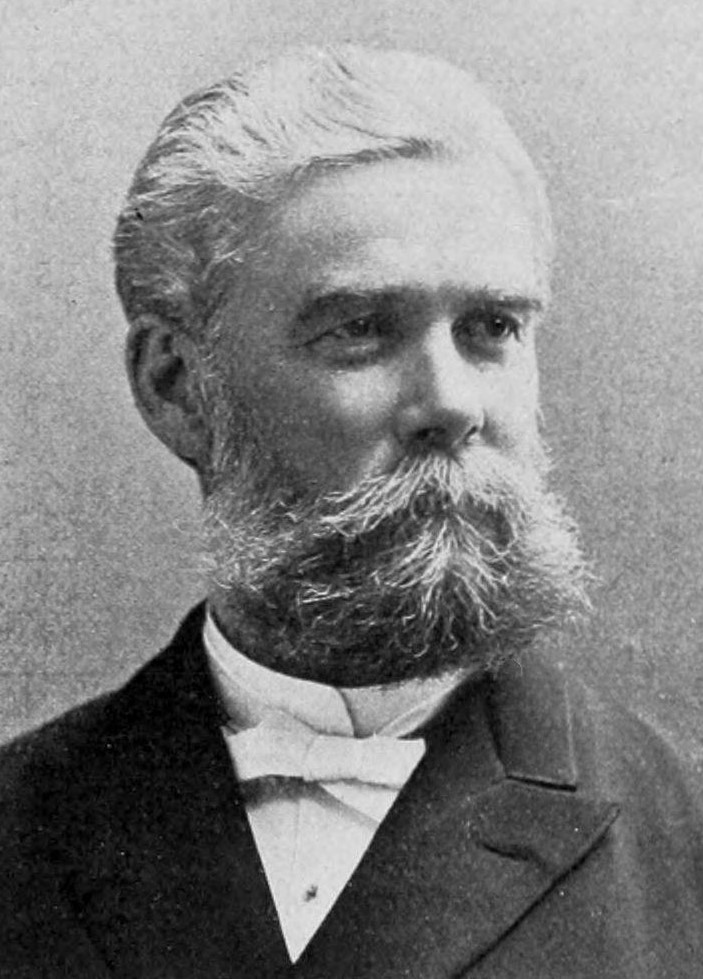

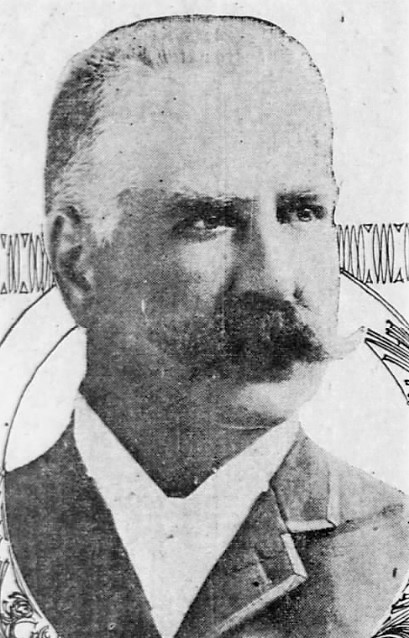
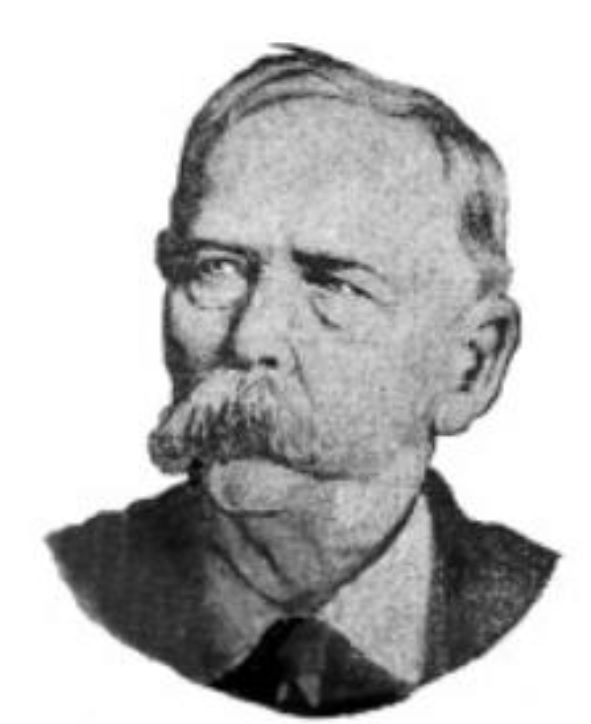







Early San Quentin staff
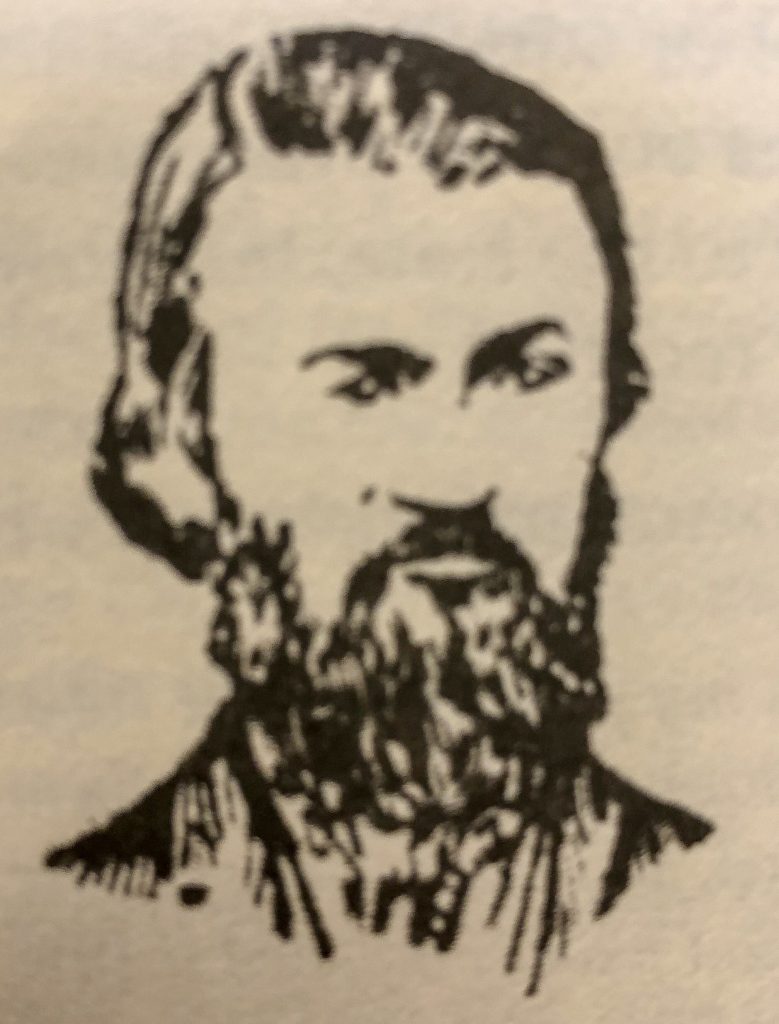
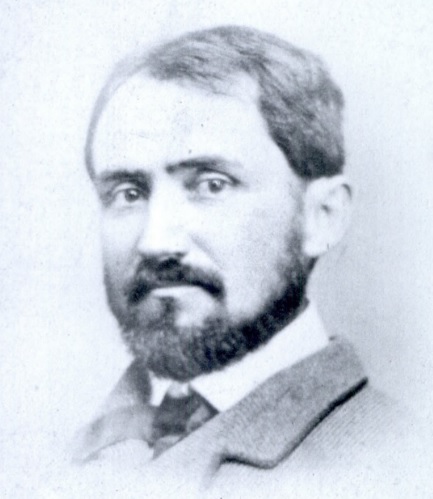
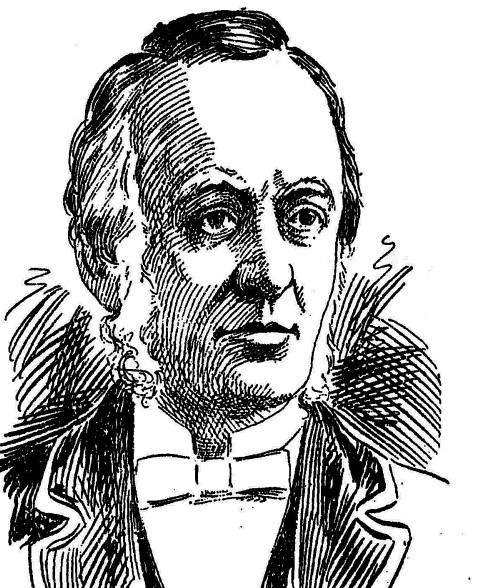
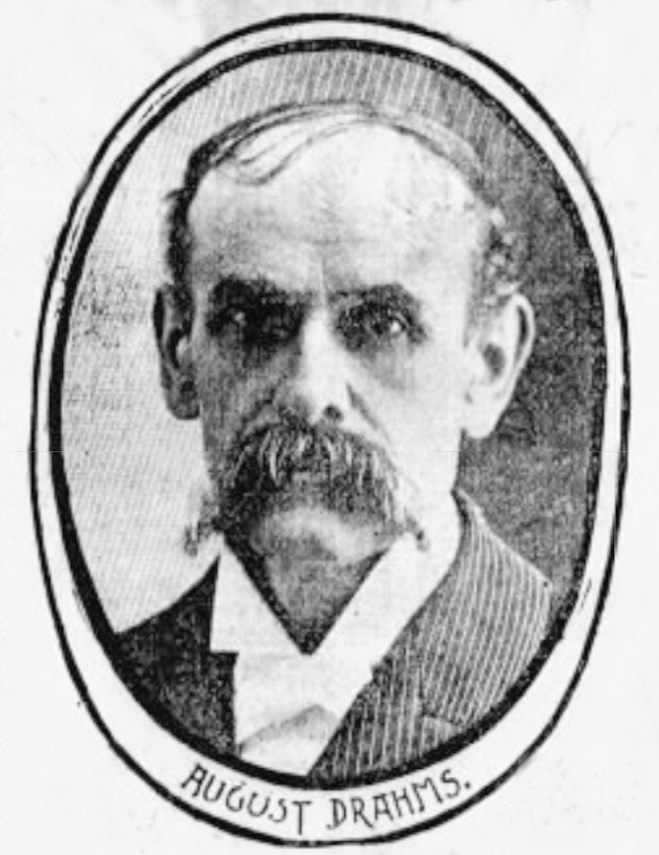
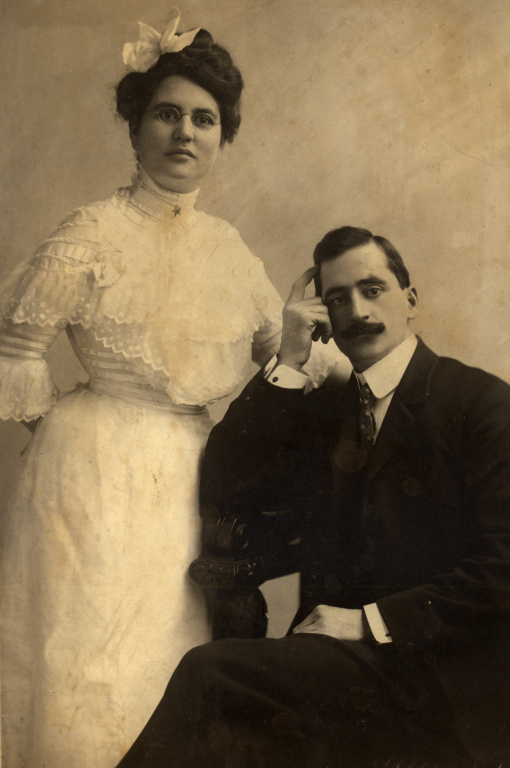
During its early years, the state prison was run by a contractor. After negative news stories were published, he sought to hire former soldiers, hoping they could bring professionalism to the job. Lack of steady pay and loose rules made the task nearly impossible. State officials took over prison operations and instituted the first set of rules for those incarcerated at San Quentin. (Read more about Asa Estes, William Byrnes and Alfred Taliaferro.)



San Quentin’s early incarcerated population
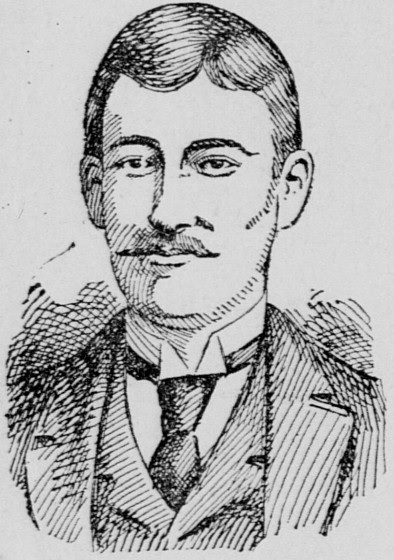
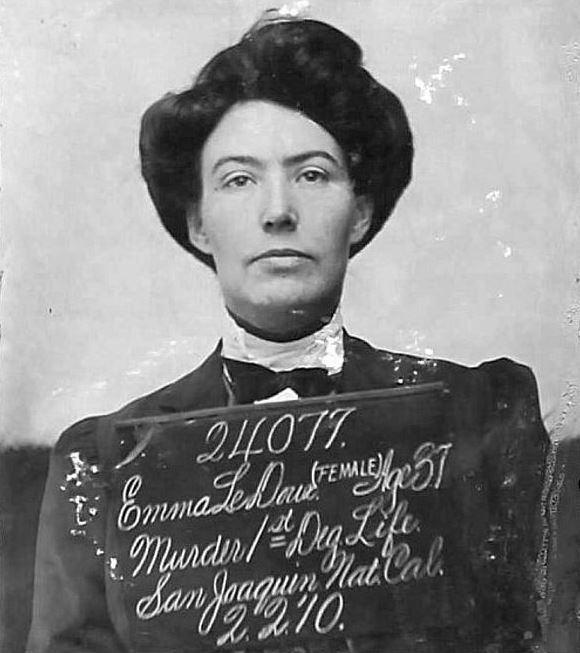
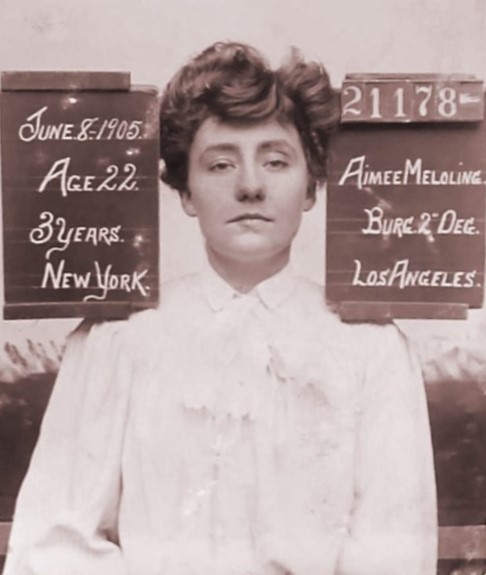
Notorious stagecoach robbers such as Charles “Black Bart” Boles and Dick Fellows served time at San Quentin State Prison. Other familiar historical names include Griffith J. Griffith, Emma LeDoux, and Jean “Bessie Barclay” Thurnherr. The prison also served a female population before California Institution for Women at Tehachapi was activated in 1933.




Technological evolution
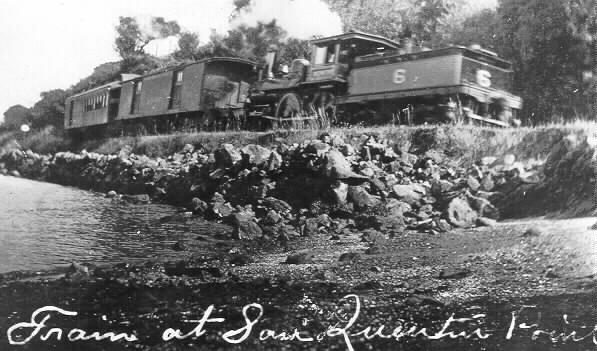
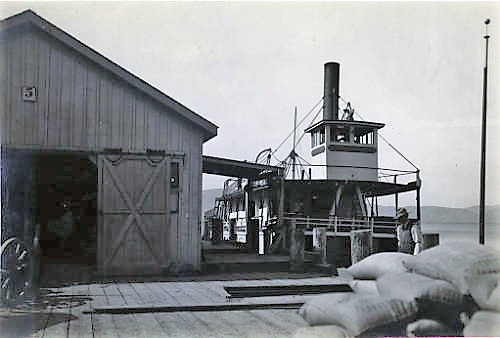
From transportation to communication, San Quentin adapted over time. (Read the earlier story about technological advances.)


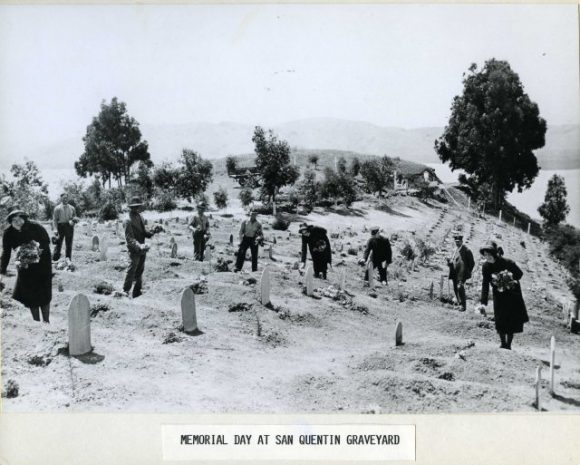
San Quentin’s cemetery
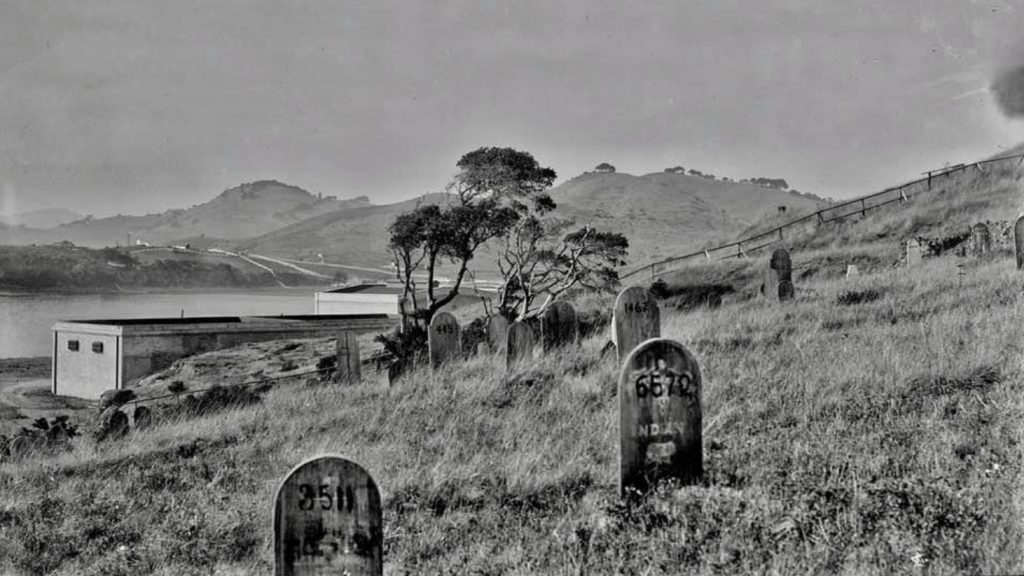
In 1909, incarcerated Civil War veteran J. Wess Moore published a poem about the prison cemetery. He referred to it as “this little spot on this big earth, where sleep the convict dead.” View the earlier story about Moore’s life.
Learn more about those buried in the prisons with the Cemetery Tales series.


By Don Chaddock, Inside CDCR editor
Other resources for San Quentin prison
- See more photos and learn about the San Quentin area at the Marin County Library’s website and on Calisphere.
Follow CDCR on YouTube, Facebook, X (formerly Twitter). Listen to the CDCR Unlocked podcast.
Learn more about California prison history.
Explore CDCR history
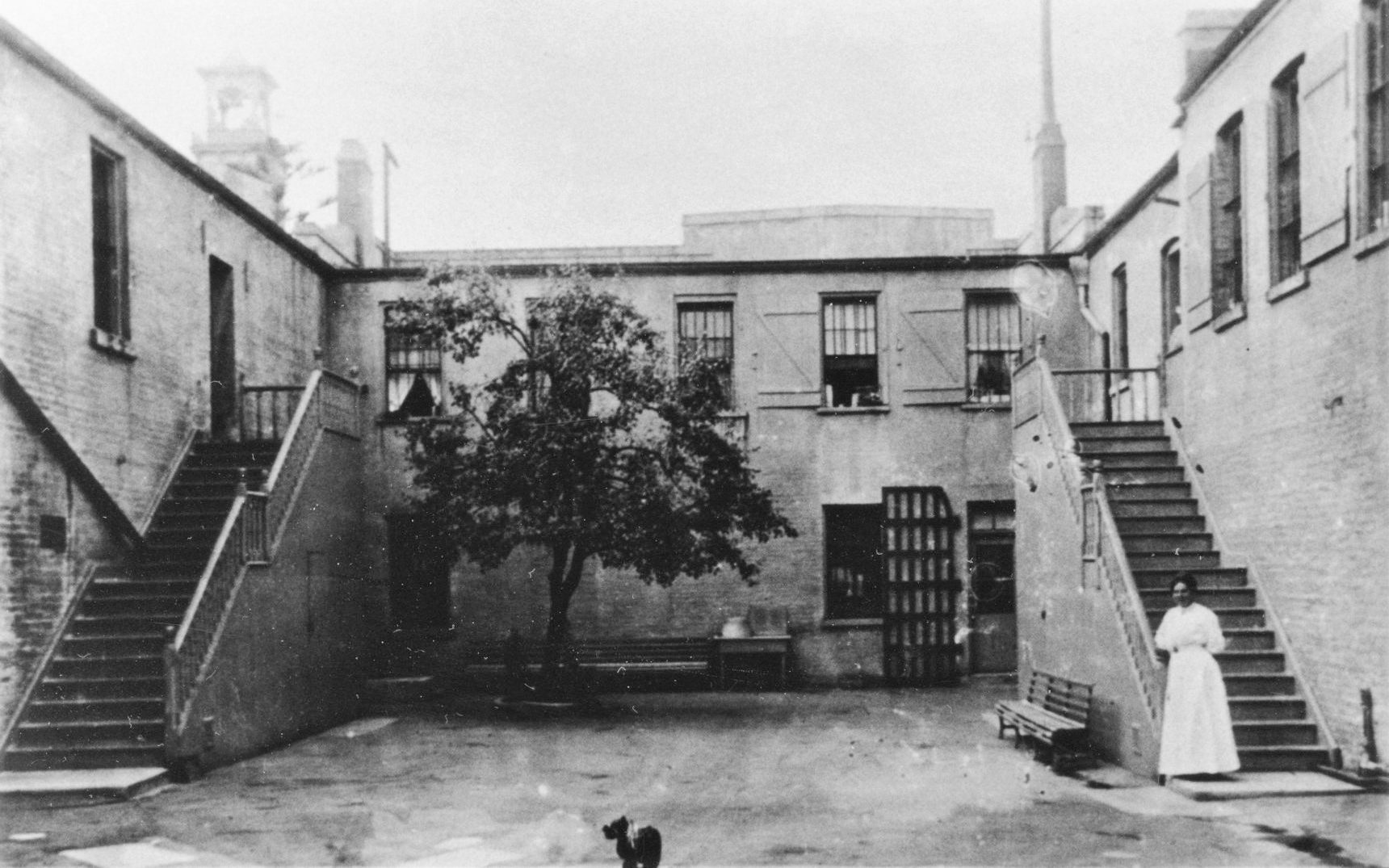
Meet the first matrons of San Quentin
With 15 women incarcerated at San Quentin in the mid-1880s, the state decided to create a matron position to oversee…
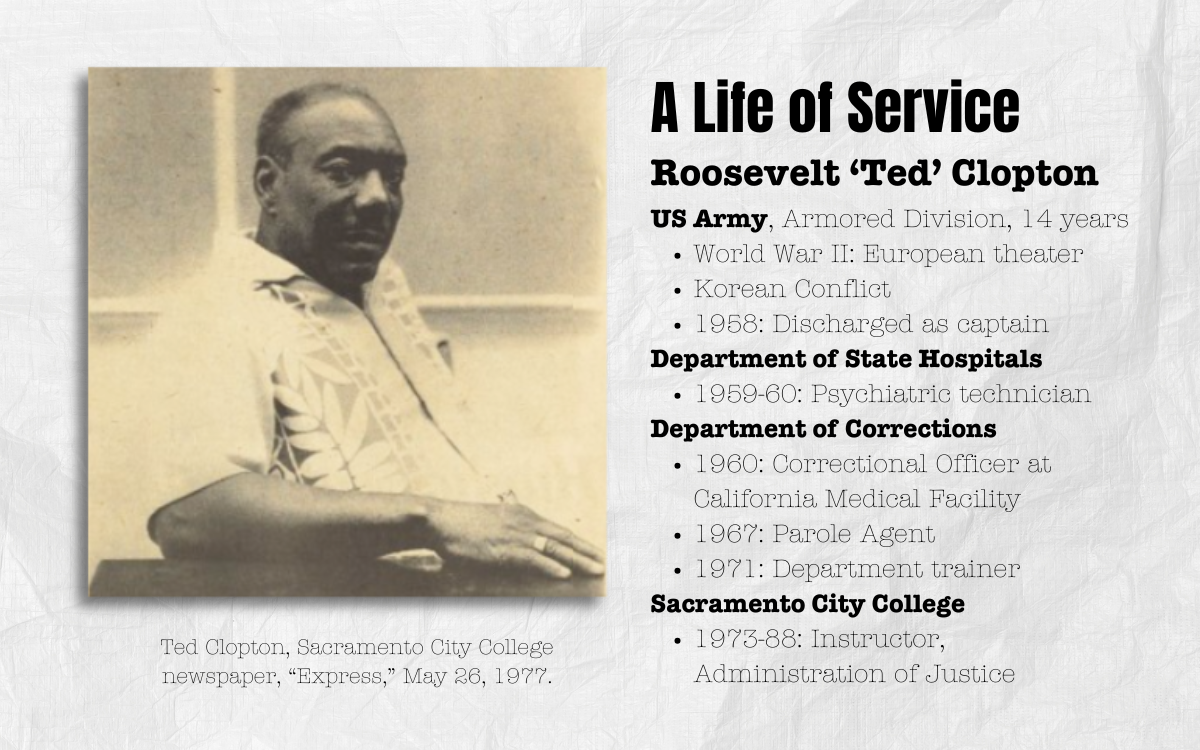
Roosevelt Clopton served state as officer, agent
For military veteran Roosevelt “Ted” Clopton, being a lifelong student guided his choices from joining the Army to becoming a…
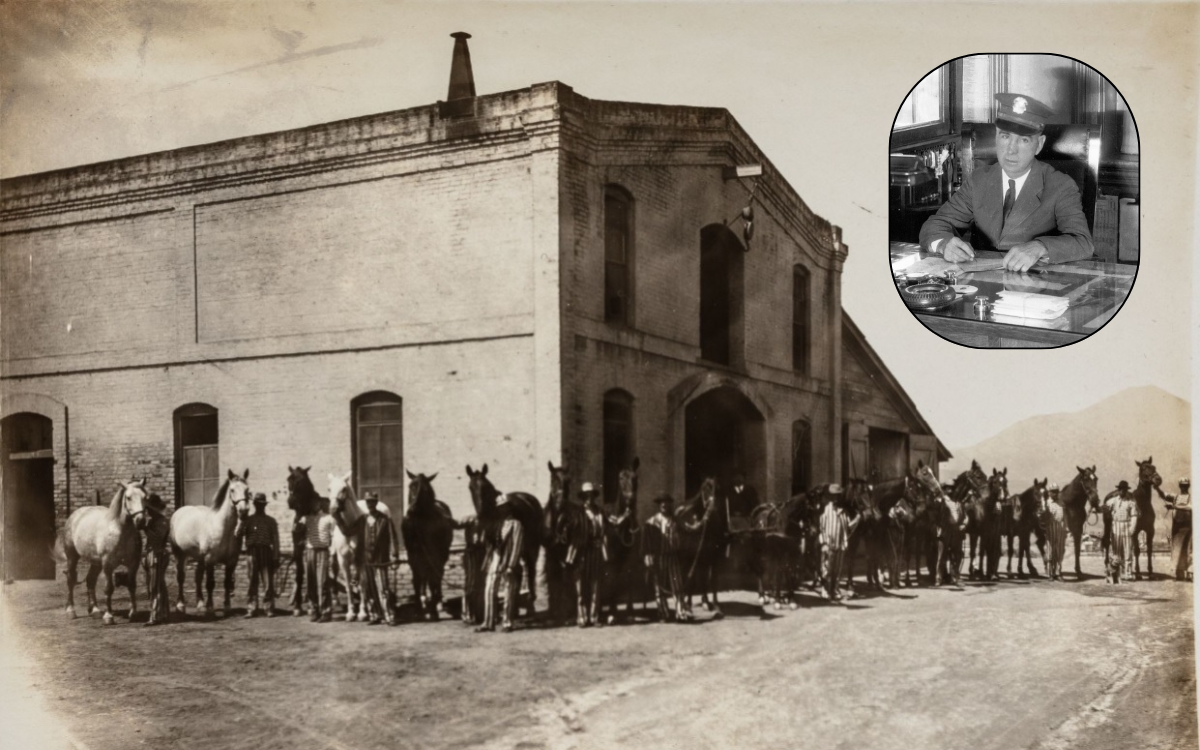
SQ Captain Rivera Smith served nearly 4 decades
Rivera Smith was the longest serving staff member at San Quentin (SQ) when he passed away in 1950, serving nearly…
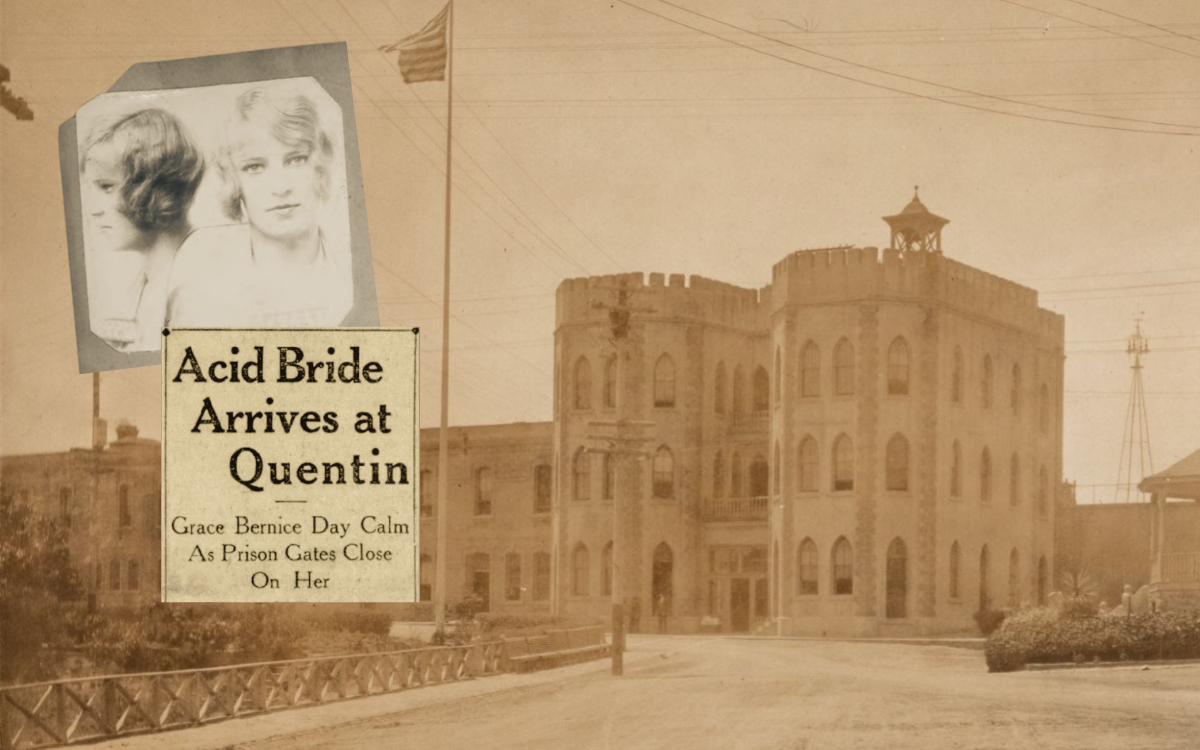
Echoes from the Past: Restoring history’s missing pages
While researching stories for the Unlocking History series, we often find damaged documents, missing photos, or incomplete information. One example…
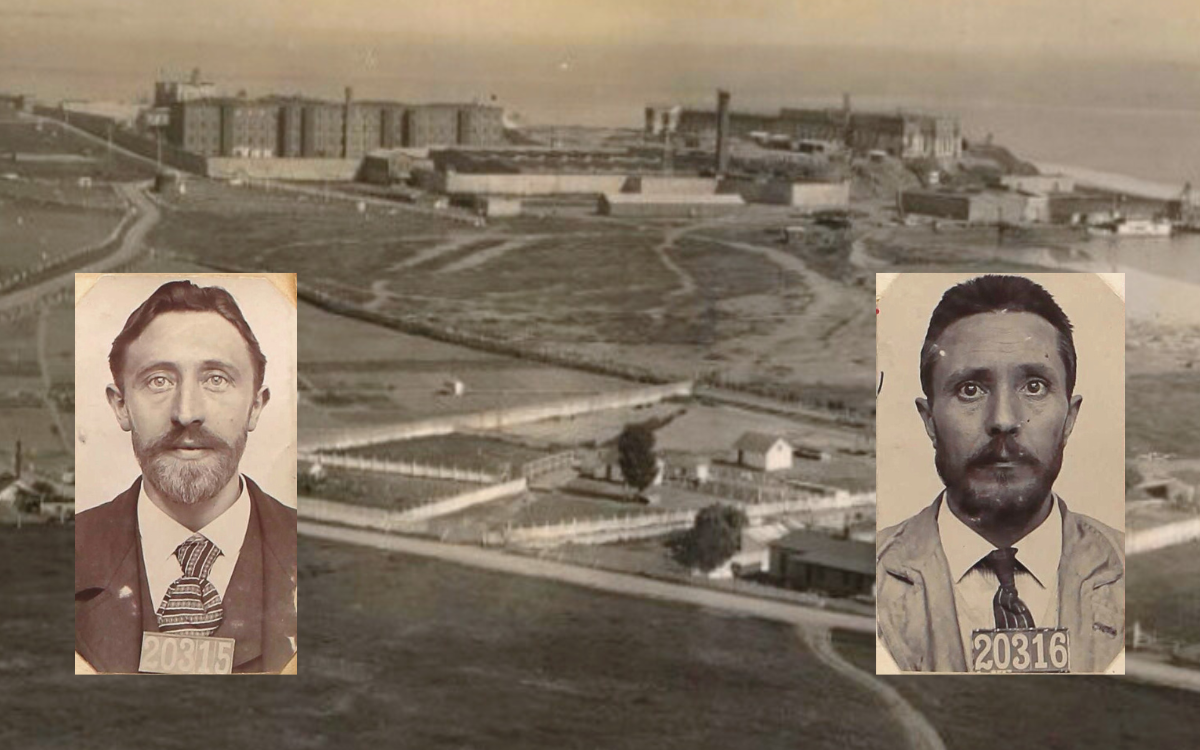
Family seeks information on 1903 counterfeiter
A recent question came across the Inside CDCR desk regarding a counterfeiter who was incarcerated at San Quentin in 1903.…