

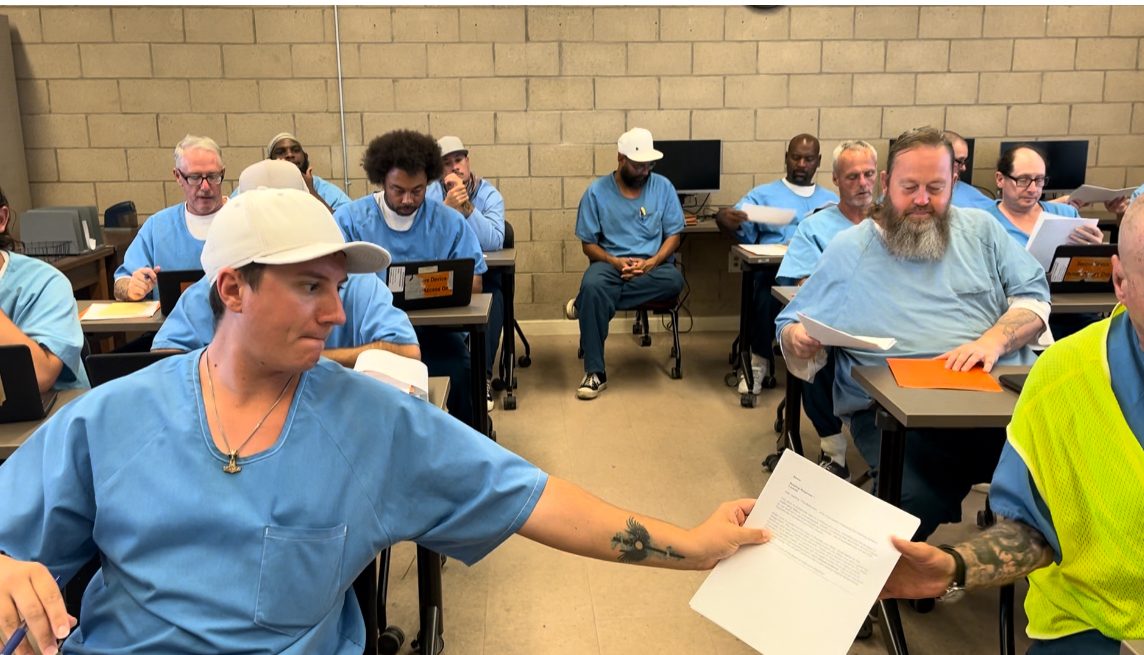
Education is transforming lives and changing the prison culture such as what’s happening at Valley State Prison (VSP).
At VSP, where 300 people are working toward their educational goals, an innovative program encourages students to pursue an associate degree.
Watch the video (story continues below):
New college students coming into the California State Honor Society program are receiving help thanks to mentors. The program also provides tutoring outside of the classroom to help keep students enrolled.
VSP college education program started in 2016
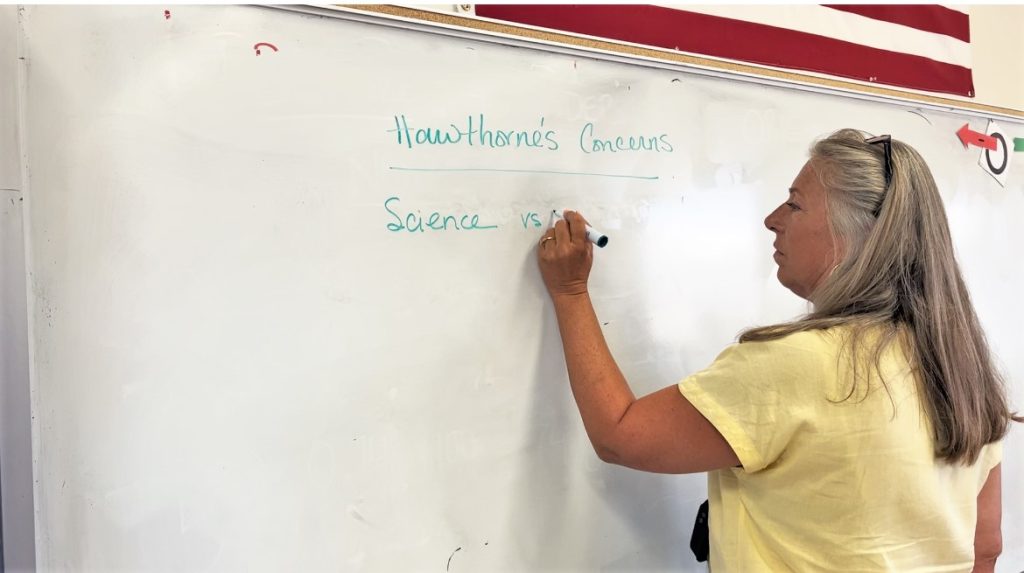
Jennifer McBride, an English instructor for Merced College, offers face-to-face college courses at VSP. She said these innovative programs are beneficial for everyone involved.
“I hear from the students all the time of conversations they have out in their yards with people who may not even be in college about the material they are learning,” said McBride. “I see the students who are in the college program bringing those ideas back into the yard. (They are) really getting excited about education and we have seen our program grow dramatically.”
McBride helped start the VSP program in 2016, when only two classes were provided. Since then, the program has grown significantly, with eight different degree pathways now available.
One of her students, Alex Morris, is the president of the California Honors Society at the prison.
“Education has changed my life and the life of the people here,” Morris said. “It gives people like me, who have harsh backgrounds, the ability to reclaim normalcy and to show society that I have corrected my errors, and I am on the right path.”
As Honor Society president, Morris has become a confidant amongst his peers.
“We are 87 strong. We go around and tutor, basically men who are not even in college, (and) interact well with everybody on the yard,” Morris said. “As soon as we are spotted, a lot of people will come to us, ask us questions.”
Innovative education programs are part of California Model
CDCR is guided by the California Model, an initiative that uses best practices to create a more effective and compassionate corrections system and safer communities for Californians.
A vital pillar of the California Model being implemented at all 32 institutions is normalization – an effort to bring life in prison as close as possible to life outside prison. This pillar is often exemplified in education programs.
“I just had a conversation a few days ago with some of my peers and we were laughing at how we would walk around the yard and hear conversations about math, and English, and essays that need to be written, so it’s really cool because there is an overwhelming number of students being educated here so it’s a good environment,” said Morris.
Students embrace education opportunities

McBride said the program has helped students become more involved in their educational goals.
“The students are amongst the most engaged and motivated students I have taught,” she said. “(They) have really embraced the idea of educational rehabilitation. In-person college experience is teaching students in giving them the experience with some critical skills that are necessary on the outside.”
Statistics show recidivism rates decline when incarcerated students return to their communities. According to CDCR’s Office of Research, during the 2018-2019 fiscal year, there were 223 incarcerated students released from prison who had their associates degree. Within three years, only four were returned to prison.
Approximately 10,317 incarcerated students are enrolled in associate-level programs across California correctional institutions. Some of those students are taking their rehabilitation efforts one step further, mentoring and tutoring their peers.
Learn more about higher education opportunities within CDCR by visiting the website.
Story by Ashton Harris, information officer
Office of Public and Employee Communications
Read more rehabilitation stories.
Follow CDCR on YouTube, Facebook, X (formerly Twitter).
Related content
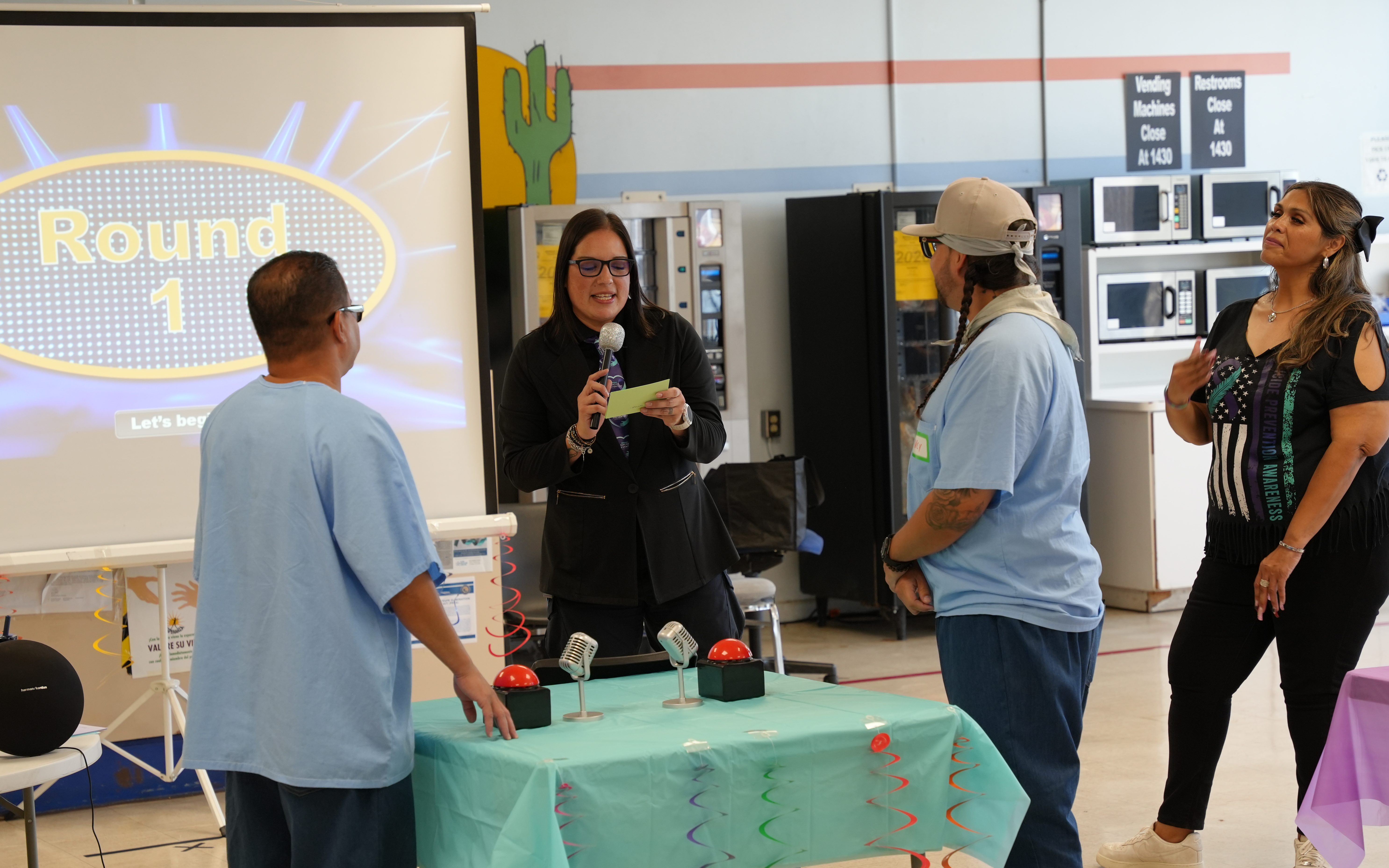
Calipatria mental health team hosts game for population
Mental health staff at Calipatria State Prison hosted a game for the population as part of Suicide Prevention Awareness Month.…
Read More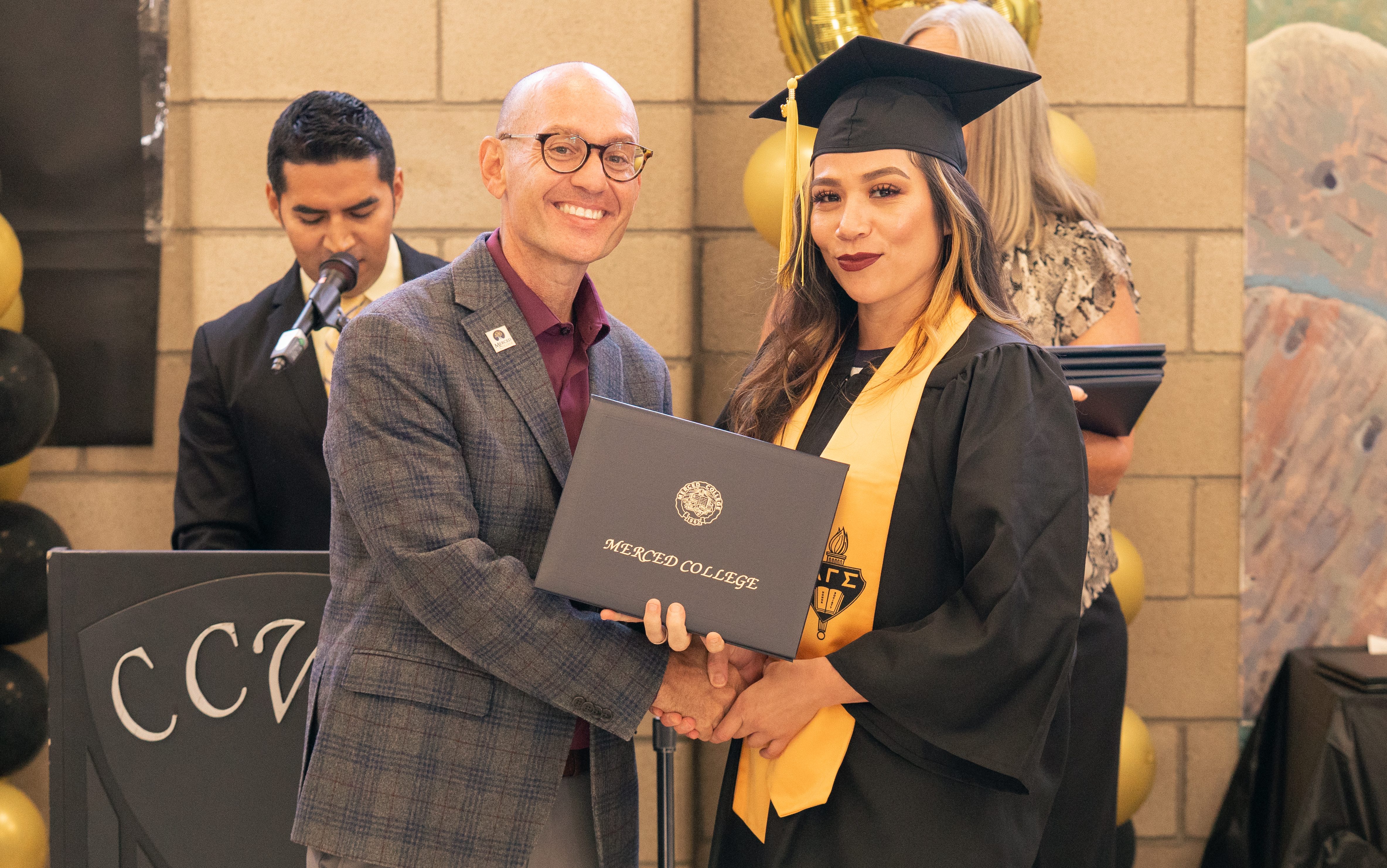
CCWF sees 59 earn college degrees
Central California Women’s Facility (CCWF) in Chowchilla held its annual college graduation for 59 earning degrees. The Sept. 30 graduation…
Read More
Caltrans, CALCTRA, CDCR, Ironworkers launch CIM program
The California Correctional Training and Rehabilitation Authority (CALCTRA), Caltrans, CDCR, and the Ironworkers Local Union 416 and 433, have launched…
Read More