

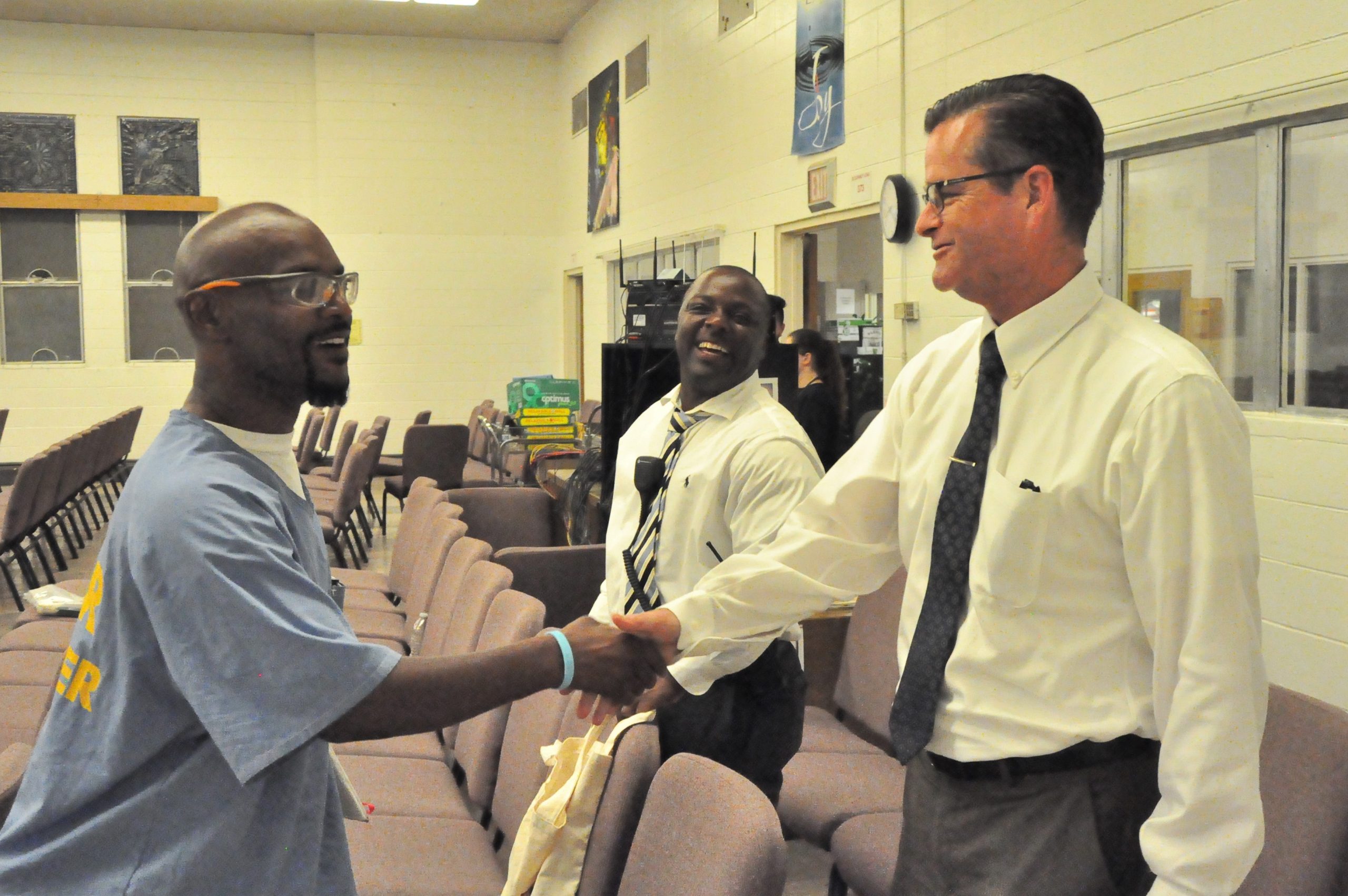
Ron Broomfield, the director of the Division of Adult Institutions (DAI), has gone from working as a county jail officer to overseeing the state’s prisons. Now he’s looking forward to one more undertaking: retirement.
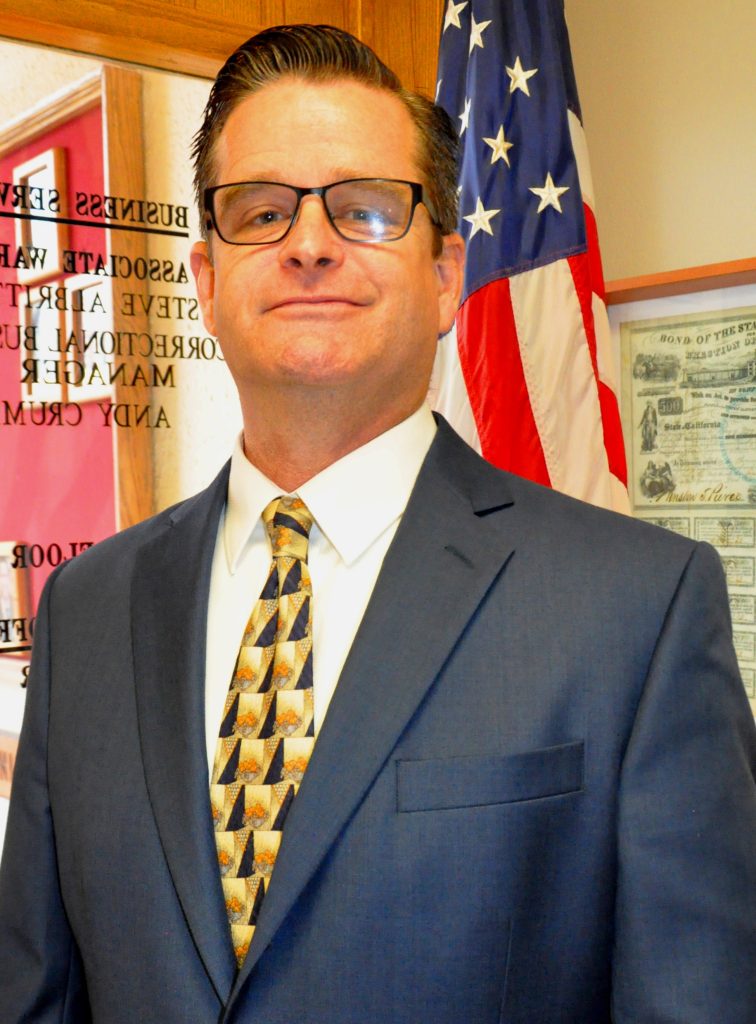
He began his correctional career with the Mariposa County Sheriff’s Office as jail officer in 1998. With state correctional officers visiting the jail to transport incarcerated people to state prisons, his interest was piqued.
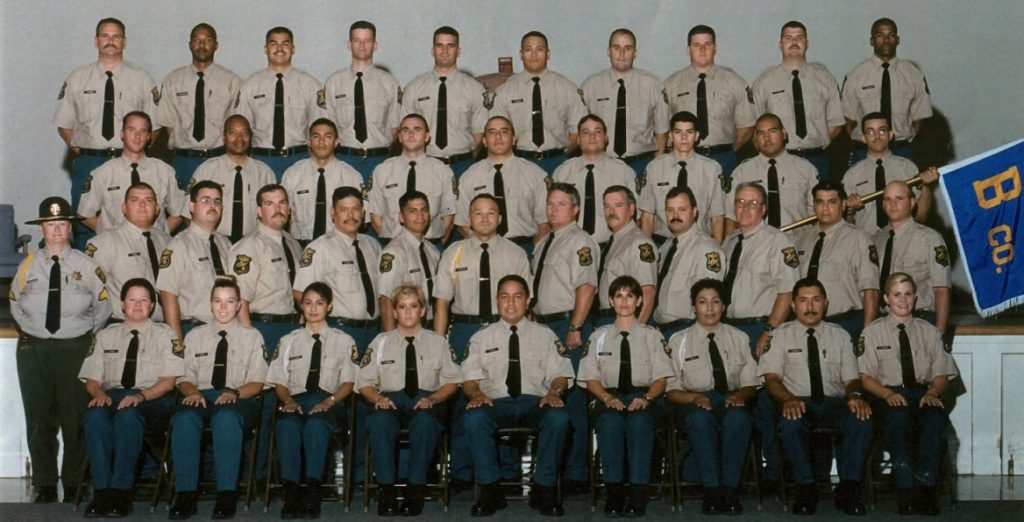
After some research, he joined the state corrections department in 2001 as a correctional officer at Salinas Valley State Prison.
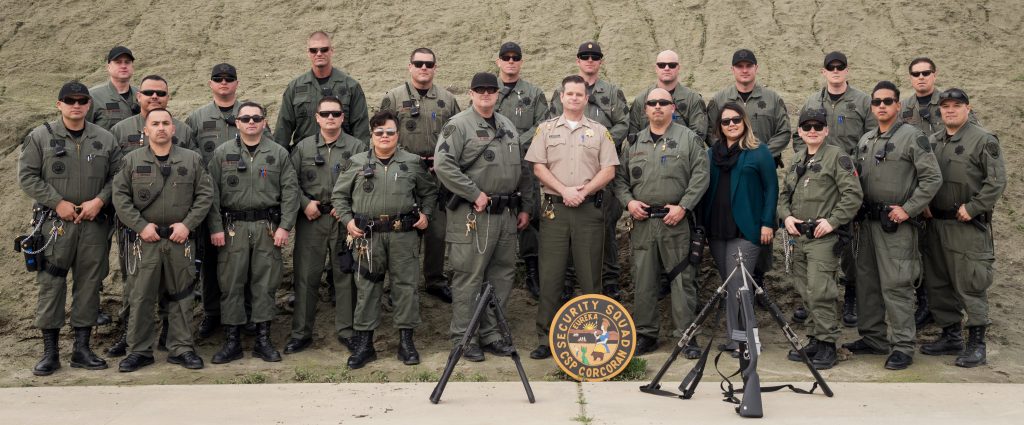
He’s also served as a correctional counselor, captain, association warden, chief deputy administrator, and warden. He’s also worked at California State Prison-Corcoran, and San Quentin.
In a letter to Broomfield, Governor Gavin Newsom wrote:
“Throughout your career, you have demonstrated exceptional leadership while advancing what has come to be known as the ‘California Model’ — a testament to the visionary work we have done to transform the correctional system here in the Golden State. I am particularly grateful for your support in transforming San Quentin Prison into the San Quentin Rehabilitation Center and for your years of service as its warden. Thank you for your invaluable contributions. I am wishing you all the best as you embark on this next chapter.”
Inside CDCR caught up with Director Broomfield to discuss his career and future plans.
Q&A with Ron Broomfield, director, DAI
What are you most looking forward to after retirement?
I am most looking forward to traveling with my wife and spending quality time with my family. I am excited to be able to crawl into bed at night without having a cellphone on the nightstand.
How have you tried to balance work and life in your career?
Throughout my career, I stayed active in my local community. Whether it was church, school, or children’s sports, my wife and I always tried to be actively involved. I consider this key to having a balanced family life and career. In my down time, I threw myself into one hobby after another (like) computers, fishing, rock hounding and radio-controlled gliders. And most recently, an old Porsche. I obsess for a while and then move on. My garage is a museum of bygone hobbies.
Why did you choose to join CDCR?
I started in corrections at a small county jail in Mariposa. The goal was to find a stable career in the town I grew up in. I quickly found out I enjoyed the excitement and the camaraderie.
Every now and then these cool guys in black jumpsuits would show up and take people away to prison. CDCR Transportation teams always looked so squared away. They inspired me to look at CDCR. I made the switch to CDCR when I saw how much it would benefit my family financially. I got a raise just by attending the academy.
Did you have any jobs prior to joining the department?
My first job out of college was as a claims adjuster for a national insurance company. I had to move my family to Rhode Island for that opportunity. After a few years, I was able to be transferred back to California. I did that job for five years before joining the Mariposa Sheriff’s Department.
Have you had any significant mentors along the way? How did they shape your career?
Connie Gipson was the first warden I truly admired. She demonstrated professionalism, humility, and grace I had not seen in prior leaders. She gave me my first leadership opportunity and was very patient with me as I grew into various roles. Associate Director Ron Davis was also an incredible mentor. Ron taught me how to run a prison by sharing every aspect of the warden job with me long before I assumed the role. Ron and I had some incredible closed-door discussions that shaped my view of leadership.
What advice would you give someone considering a career, or seeking to promote, in the department?
At its core, corrections is a people business. Practice being a good human everyday while you are at work. This is a challenging environment and can wear you down if you don’t guard against it. I encourage you all to strive to maintain your humanity.
Treat everyone with dignity and respect regardless of their position or title. Promotion comes through faithful commitment, professionalism and a desire to push yourself to greater heights.
Don’t let fear of failure stop you. Failure is part of growing and learning and striving.
What are some of the biggest changes you’ve seen in the department since you started?
Technology is the obvious answer. I was one of the first correctional counselors to use a computer. Now we rely on technology for most tasks. I am excited for correctional officers to have more and more tech solutions as I believe it will make their jobs easier and will enhance the profession.
The most important change I have seen in my career is the paradigm shift from corrections as punishment to corrections as rehabilitation. I have held this in my heart for a long time.
The environment of corrections will always be extremely challenging. How we respond to those challenges will either build up or tear down a life: your life or the person standing in front of you. I believe the department is finally heading in the right direction.
Anything else you’d like to add?
Look for reasons to say yes.
Story by Don Chaddock, Inside CDCR editor
Photos courtesy Ron Broomfield
See more stories highlighting CDCR/CCHCS staff.
Follow CDCR on YouTube, Facebook, X (formerly Twitter).