

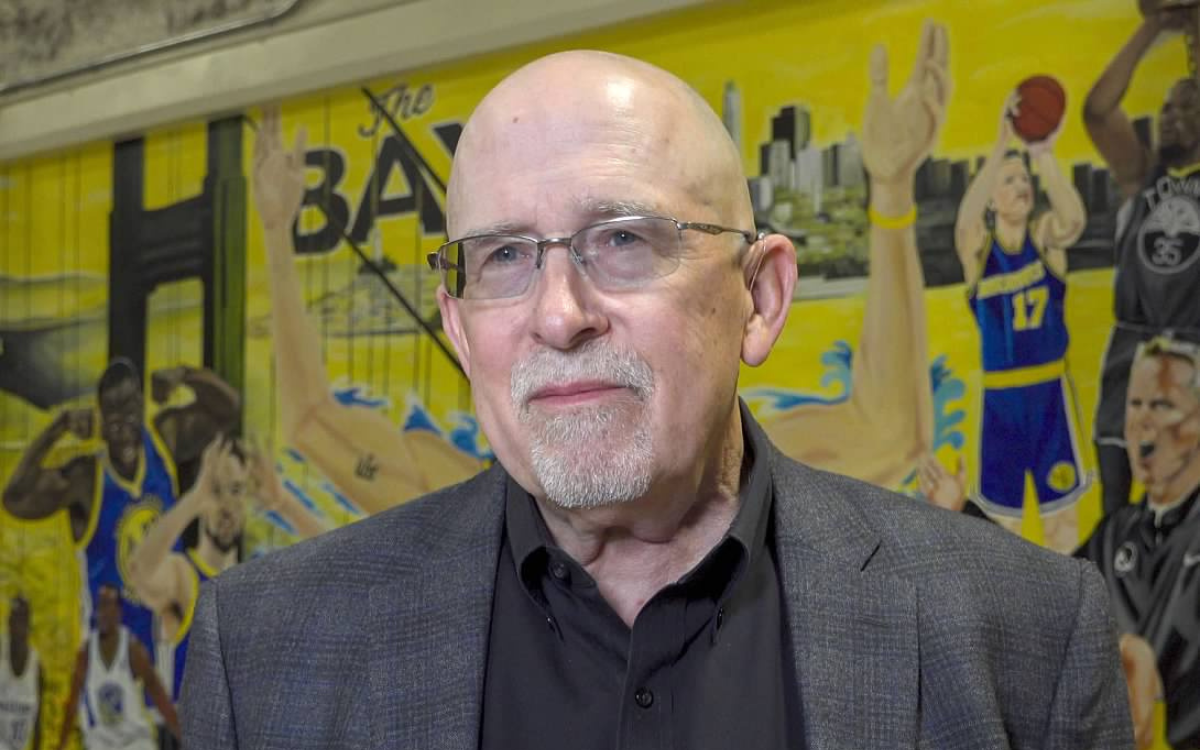
Thanks to the Victim Offender Dialogue program, when the person who shot Thomas Morgan was up for parole, he advocated for his release.
“In 1997, I was shot by a 17-year-old gang member. He was sentenced to 26-and-a-half years to life in prison,” Morgan said. “About 17 years later, he came up for parole and I eventually ended up advocating for his release on parole.”
Morgan was a deputy sheriff when he was shot, as reported in our previous story.
He credits the Victim Offender Dialogue with helping him come to terms with what happened.
“I ended up sitting down with him in prison and he and I talked about the crime he committed,” Morgan explained. “After he got out, we maintained our relationship. He’s now a productive member of society.”
Dialogue benefits victims, survivors, incarcerated
Watch the video (story continues below):
Now, Morgan speaks about the program, educating others on the restorative nature of the Victim Offender Dialogue program.
“I regularly give talks at various prisons, to community groups, and church groups. I think it’s important because a lot of what I speak about has to do with empathy and understanding about what other people go through in their lives,” he said. “It’s been very valuable for the incarcerated folks to understand what their victims and survivors go through. But I (also) believe it would be equally important to see the restorative power of the circumstance for members of law enforcement.”
Morgan said he doesn’t regret his decision to speak with the person who shot him.
“Ever since I made the decision to talk to him, nothing but good has come from that. It was as if all my fears faded away when it came to telling that story,” he said. “I think there’s a great deal of power in stories like this to serve as inspiration for other people. And I really, honestly, can’t think of a better way to live one’s life.”
Video by Bernadette Durley, TV Specialist
Story by Don Chaddock, Inside CDCR editor
Office of Public and Employee Communications
Read more stories on the Office of Victim and Survivor Rights and Services.
Follow CDCR on YouTube, Facebook, X (formerly Twitter).
Related content
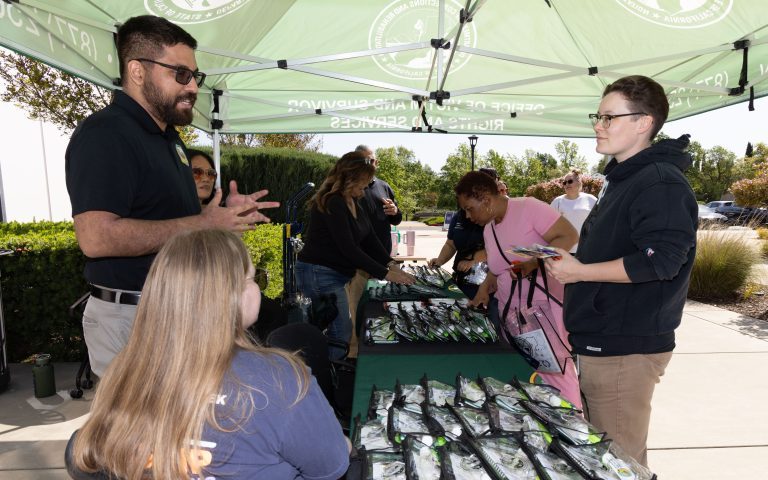
OVSRS helps victims know, access legal rights
In 2025, the Office of Victims and Survivor Rights and Services (OVSRS) contacted over 40,000 victims’ families to aid them…
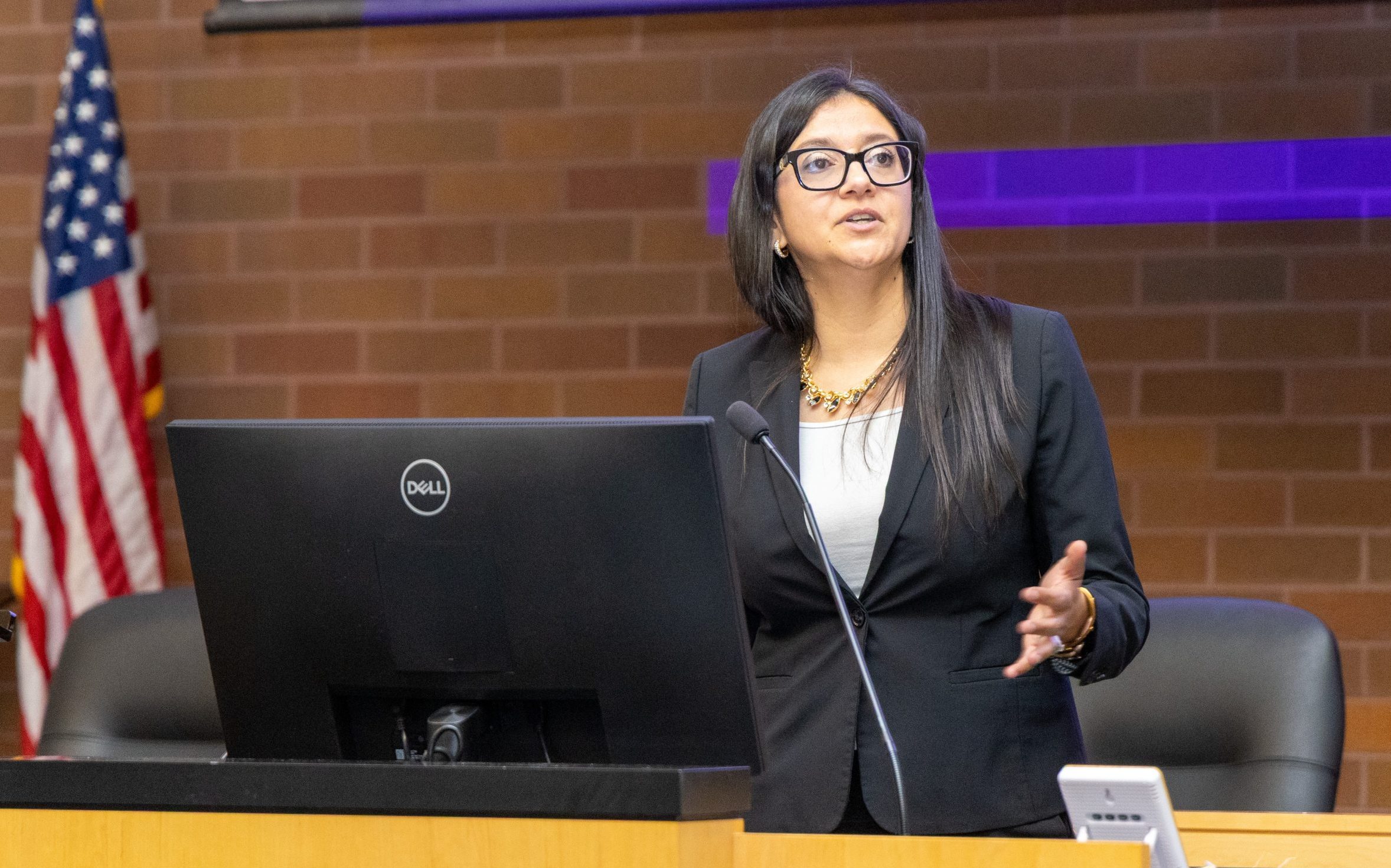
CDCR, McGeorge School of Law host Crime Victims’ Rights event
In honor of National Crime Victims’ Rights Week, the Office of Victim and Survivor Rights and Services (OVSRS) hosted a…
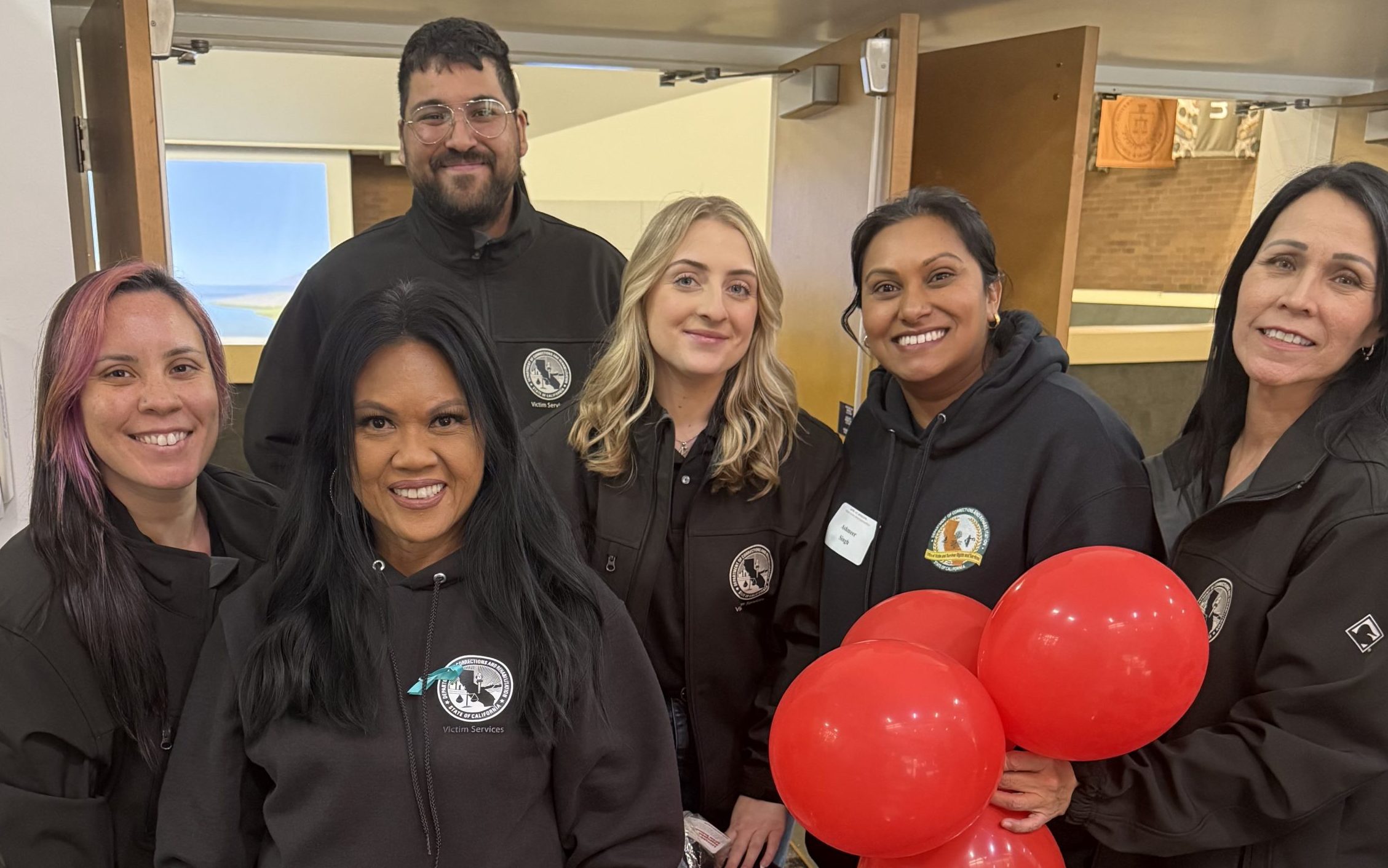
OVSRS helps victims access their legal rights
Since 1988, CDCR’s Office of Victim and Survivor Rights and Services (OVSRS) has worked to bridge gaps in accessing information…