


This September, during Suicide Prevention Month, CDCR and CCHCS are highlighting efforts to strengthen that foundation through updated training and resources focused on suicide prevention for staff.
When staff talk about the challenges of correctional work, one theme is clear: wellness matters. It is the foundation that allows employees to show up for the work and for each other.
That effort is something Ashton Peterson, Peer Support Manager with the Office of Employee Wellness (OEW), has witnessed firsthand.
“I was raised in this department, my father retiring only a few years ago, and I can confidently say that I have seen how far we have come with employee wellness,” Peterson said. “As a member of OEW, I have witnessed changes to policies that impact staff wellbeing, tremendous focus on staff resource programs not only including peer support and EAP but the wellness app and continued training and education, and the push for updated staff suicide content with a new focus on prevention specifically.”
Suicide awareness training to expand
Every year, CDCR and CCHCS staff complete the Staff Suicide Awareness (SSA) course as part of their annual training. It has long served as a foundation for recognizing the risk factors, warning signs, and protective factors related to suicide. But beginning in January 2026, that foundation will expand.
OEW is updating the curriculum, renaming it Staff Suicide Awareness & Prevention to highlight the proactive steps staff can take to support one another. The new course keeps the important elements of the original curriculum while adding more emphasis on prevention: how to notice concerns early, how to respond, and how to connect colleagues with help.
“This change is one small step in the path toward a safer, more understanding workforce,” Peterson explained.
Network of support for staff
Beyond training, OEW works every day to strengthen the culture of wellness across CDCR and CCHCS. Staff can access confidential services and resources including:
- Peer Support Program (PSP) – trained staff helping colleagues through difficult times
- California Chaplain Corps (CCC) – crisis incident stress management and post-trauma stress services
- Employee Assistance Program (EAP) – counseling, family and relationship support, and work-life services
- Health and Wellbeing Employee and Family Resource Guide
- For employees, there is also the CDCR Wellness App, providing 24/7 access to tools, resources, and information (the app can be found in the App Store or pre-installed on department-issued cell phones)
If you or someone you know is struggling, help is available:
National Suicide Prevention Hotline: Call 988 or visit 988lifeline.org
Crisis Text Line: Text 741741 for immediate help
Employee Assistance Program (EAP): Free, confidential services for staff and dependents
OEW Email: wellnessnews@cdcr.ca.gov
Read more Employee Wellness stories.
See more stories about CDCR facilities, training and jobs.
Follow CDCR on YouTube, Facebook, X (formerly Twitter).
Related content
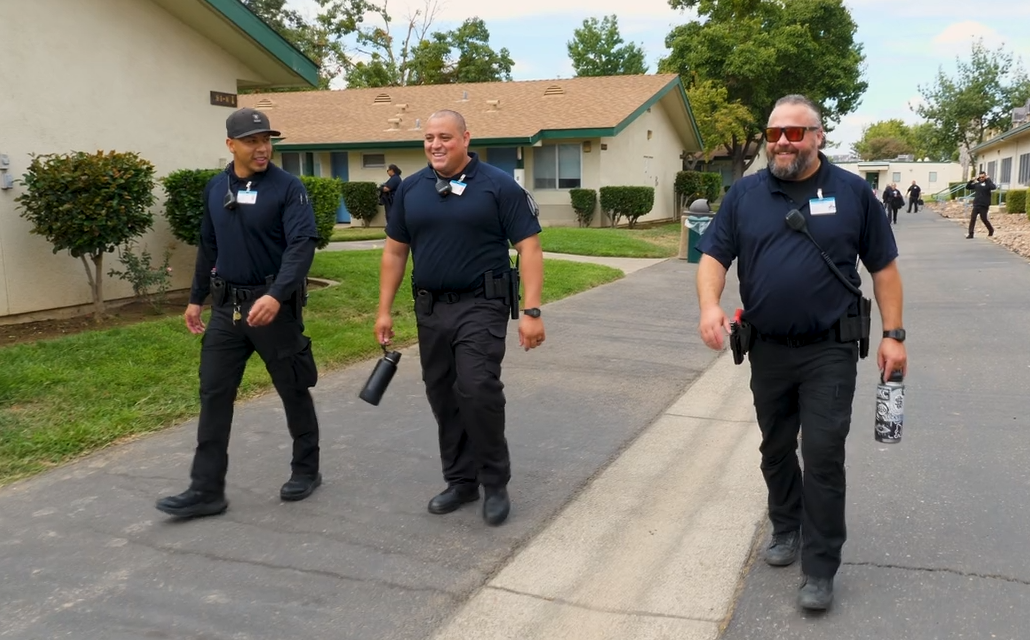
Watch: Meet Parole Agent Kesteloot
A decade after earning his correctional officer badge, Kyle Kesteloot returned to the academy, this time to become a parole…
Read More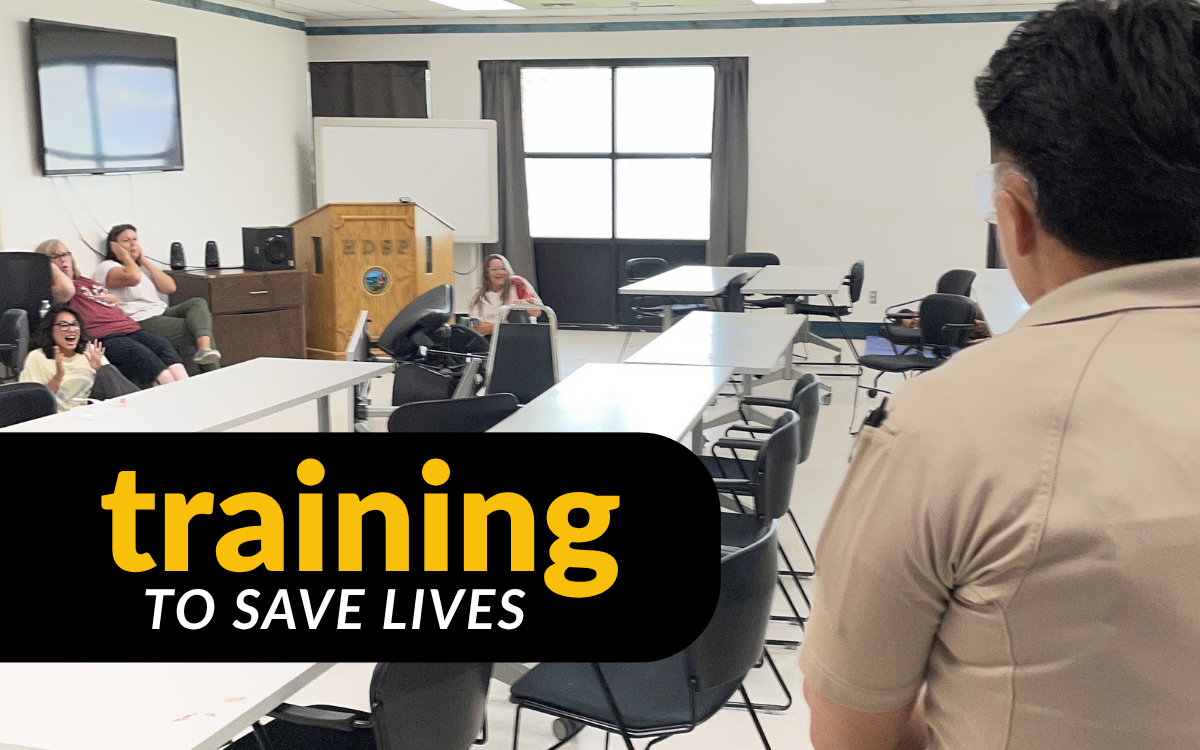
HDSP holds mass casualty training
High Desert State Prison (HDSP) in Susanville recently held a comprehensive mass casualty training exercise in the administrative building. The…
Read More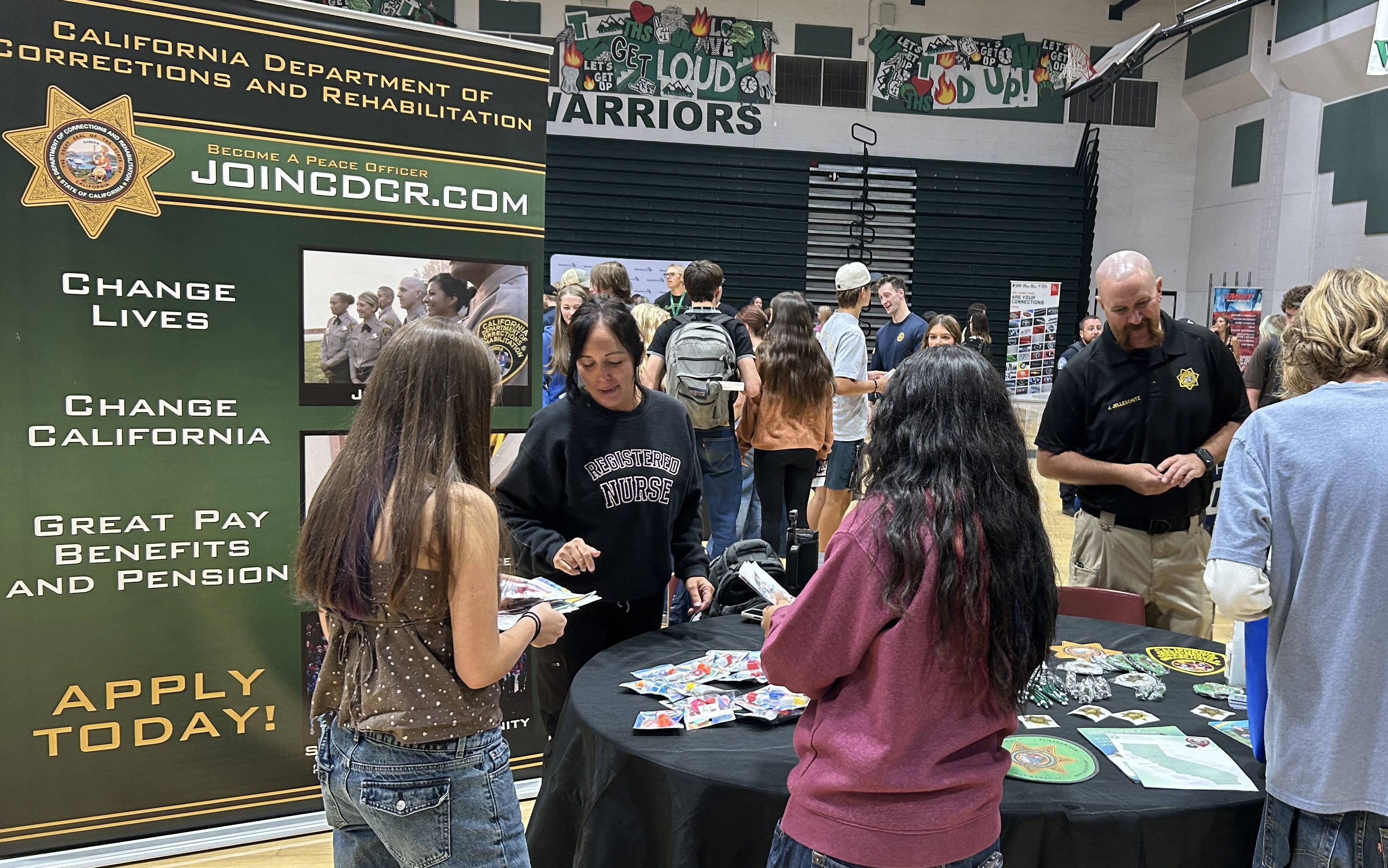
CCI staff participates in high school career day
Staff from California Correctional Institution (CCI) recently participated in the annual Tehachapi High School career day, giving students a firsthand…
Read More