

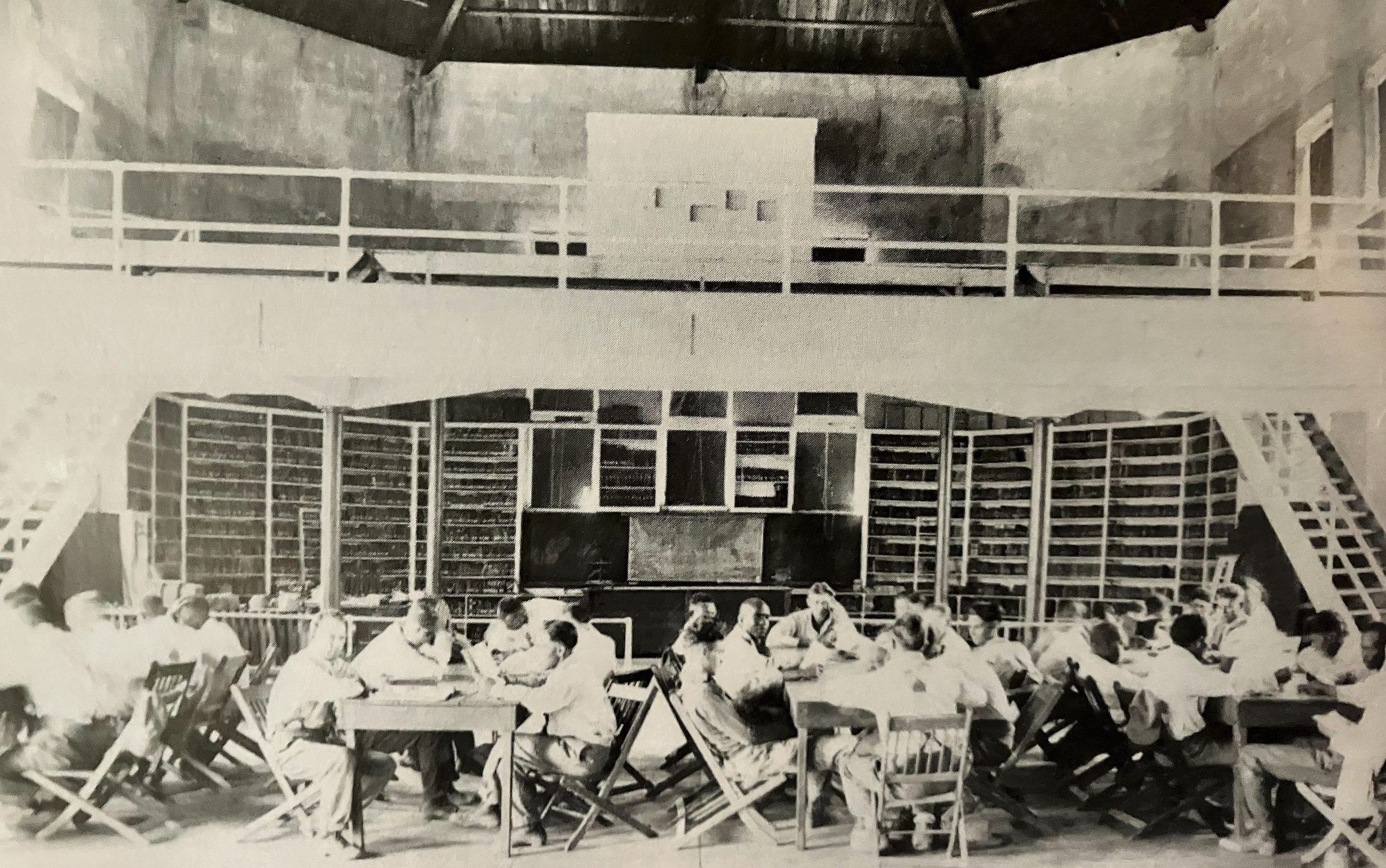
Burton Wilcox began his career with Folsom State Prison as a guard in the 1930s, before becoming a teacher. For more than two decades, he helped incarcerated students learn to read and write as well as earn their high school equivalency diplomas.
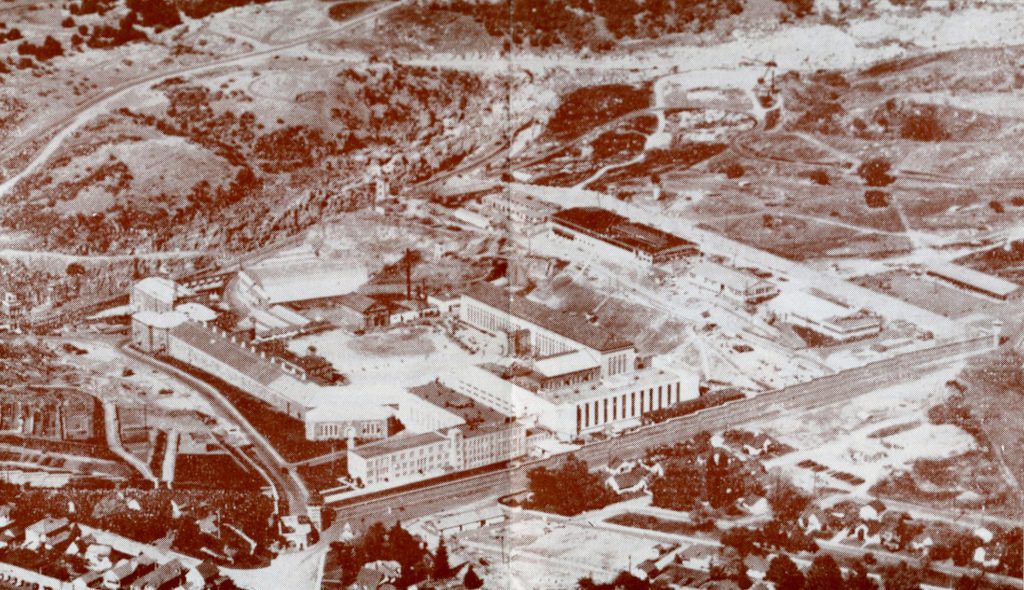
Phillip Burton Wilcox, who simply went by his middle name, was born in New York in 1892. He entered correctional work as a Folsom prison guard* in April 1938. Unfortunately, we couldn’t locate any photos of Wilcox.
From guard line to teaching
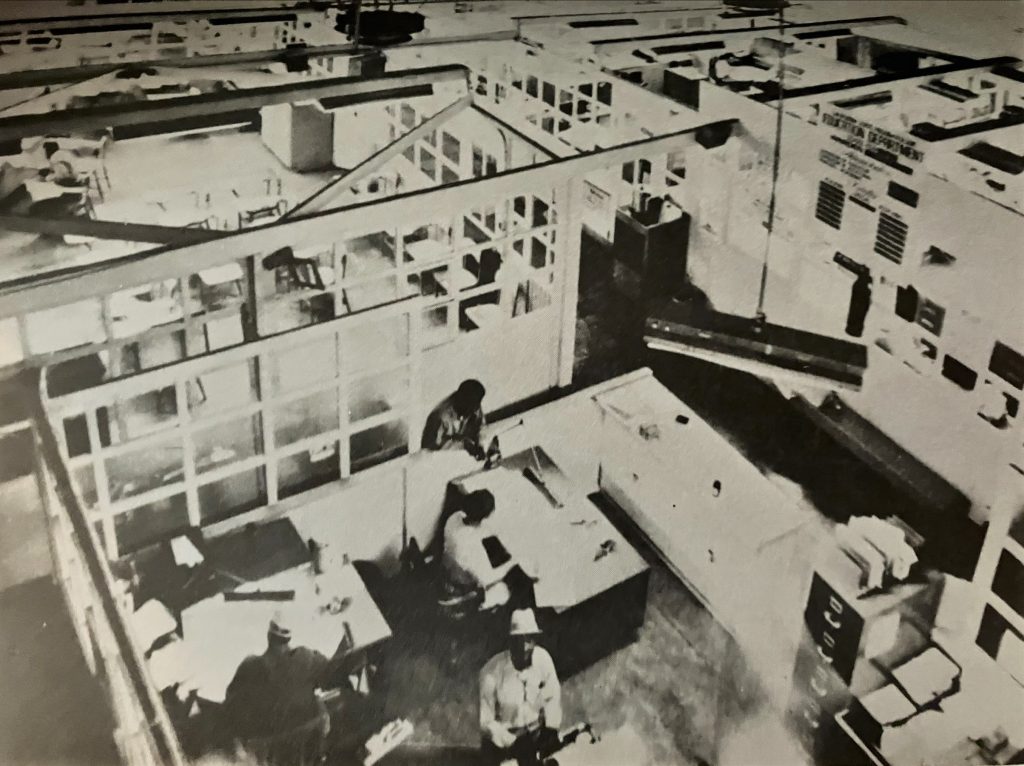
“By doing correspondence school and taking classes at Sacramento State College, he was able to earn a degree and become a fulltime teacher at the prison (in 1943),” reported the Sacramento Bee, Sept. 21, 1965. “He was (also) president of the prison’s chapter of the California State Employees Association for four years.”
At the time, the prison contracted with the Folsom Unified School District to supply qualified teachers.
In 1951, as part of the Civil Defense Program, Wilcox organized a cooking class to teach people how to cook for groups following a natural disaster.
“Students of the Red Cross mass feeding course will set 25 places … and put their training into practice. So, they’re calling for volunteers, at 50 cents a head, to be paid by the volunteers in advance. The menu hasn’t been announced, expect there will be lots of good food. The first 25 lucky guinea pigs will get the nod. The meal will be served at the high school,” reported the Folsom Telegraph, July 6, 1951.
Wilcox was very involved in the community outside the prison. He served as chairman of the Folsom-Orangevale Red Cross, penned a regular column in the local newspaper, and served in various roles with the Odd Fellows charitable organization. He could often be found volunteering at community charitable events.
“Under the tutelage of Wilcox, students enrolled in high school (at the prison) could study as fast or as slow as their individual abilities permitted,” reported the Folsom Telegraph, July 11, 1963. “He found students retained more of the subjects when they studied at their natural pace.”
Two decades of rehabilitation
Wilcox retired in 1963 after more than two decades of service at the prison. He was 70 years old. Over the course of his career, he taught more than 5,000 incarcerated students.
“I have seen this school grow from a conglomerate group of classes to a graded school,” he told the Telegraph, July 11, 1963. “I have seen (the students) after attending school and (watched) them make good in the free world. It has been a very rewarding experience. I am glad to have had the opportunity to help so many of the men.”
Wilcox passed away Sept. 19, 1965.
“P. Burton Wilcox, a Folsom prison guard who became a teacher and was known to thousands of (incarcerated people) as ‘Pappy’ is dead,” reported the Sacramento Bee, Sept. 21, 1965. “He was active in civic affairs in Folsom, serving on the board of directors for the chamber of commerce for three years (and) was president of the Lions Club.”
He was survived by his wife, Ethel, two sons, a brother, and eight grandchildren.
*Note: Guard was the job classification prior to the creation of the department in 1944.
Follow CDCR on YouTube, Facebook, X (formerly Twitter).
Learn more about California prison history.
Explore CDCR history
CDCR history requests come from families, writers, professors
Requests for CDCR history can come from a variety of sources. They range from family members tracking down a rumor…
Read More
Explore 80 years of CTF‑Soledad’s history
Explore the history of the state’s fifth prison, the Correctional Training Facility (CTF) at Soledad. Activated in 1946, CTF was…
Read More
California Institution for Men marks 85 years of public safety
In 2026, California Institution for Men (CIM) is celebrating 85 years of public safety. The Chino institution, the fourth state…
Read More