

In 2026, California Institution for Men (CIM) is celebrating 85 years of public safety. The Chino institution, the fourth state prison in California, was activated in July 1941.
CIM was designed to usher in a new era of rehabilitation with open space, dorms and opportunities for those serving prison sentences to turn their lives around.
A 1941 advertisement seeking candidates for employment at “a Southern California prison … located at Chino” outlines some of the hopes and aspirations of what would later be dubbed CIM.
The ad indicates the prison sits on “2,500 acres of fine farmland” and is to be a “minimum security institution for first offenders.”
It goes on to state, “Hope, encouragement, and the instilling of useful habits of work will be stressed to the end that men may be returned to society in the shortest possible time, prepared to take their part in the economic and social life of their communities, and to support themselves and their dependents.”
Early CIM officers called supervisors
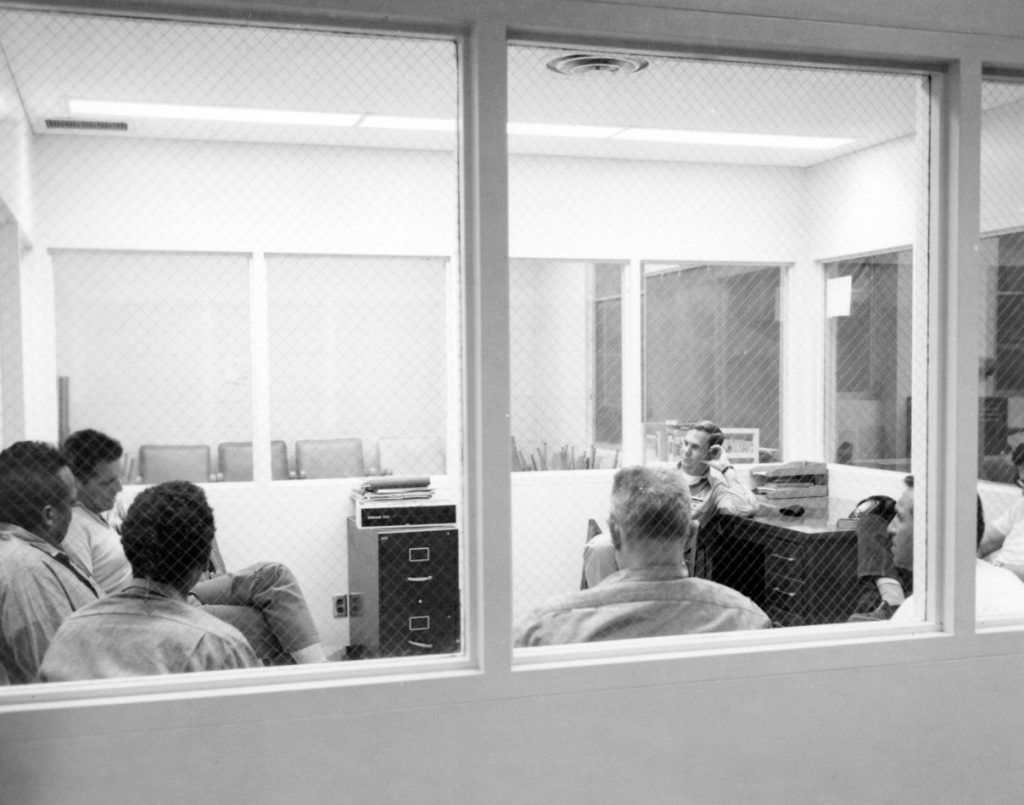
Called “supervising officers,” the ad indicates they will be “responsible for individual and group supervision of inmates assigned to them (to) include custody, direction of work details, and supervision of educational and recreational periods. Supervising officers will be required to govern and control inmates primarily by leadership, ingenuity, and force of personality, rather than by relying solely upon guns.”
They were to be paid a salary of $160 per month, capping at $200 per month after annual merit-based raises.
Dedicated on June 21, 1941, CIM was the first major minimum-security institution built and operated in the United States.
CIM was unique in the field of penology because it was known as the “prison without walls.” The only security around the facility was a five-strand barbwire livestock fence, intended mainly to keep the dairy cows from wandering through the living areas.
A later CIM brochure, probably dating from the 1950s, indicated a starting salary at $619 per month, capping at $753 per month.
Dismissing outdated ideas
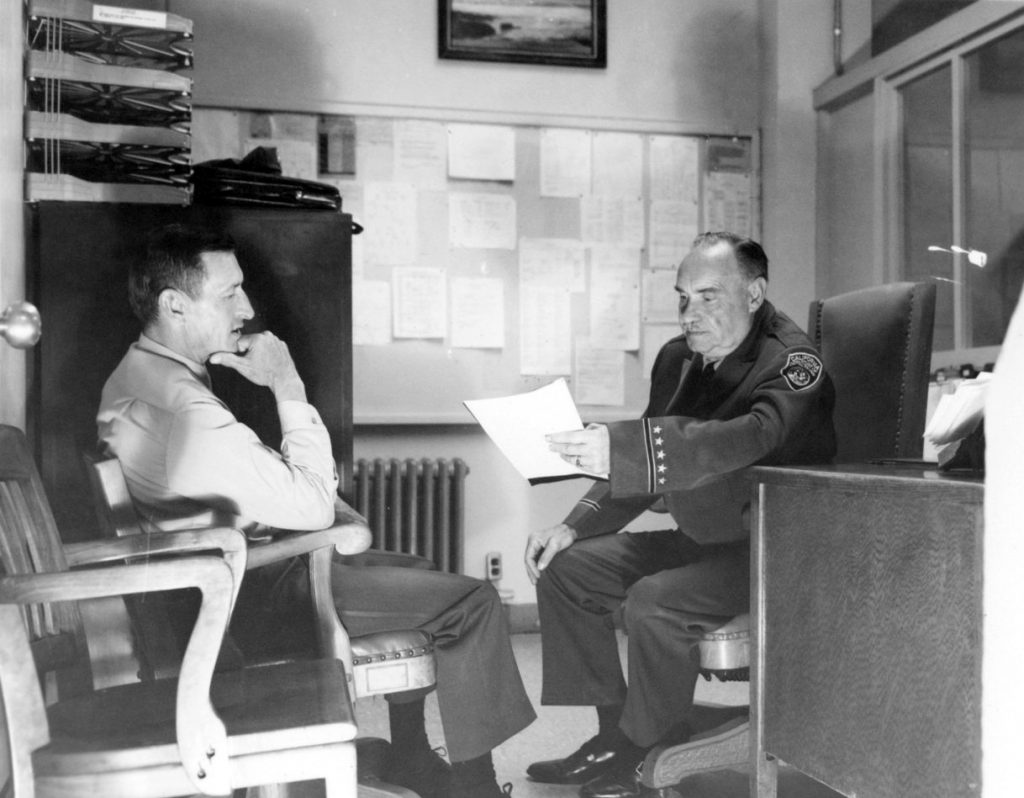
Kenyon J. Scudder, the first warden/superintendent of CIM, insisted on hiring custody staff without correctional experience.
Of the 50 people Scudder hired as the first staff, 45 were college graduates, with four holding master’s degrees. In addition, nine had general secondary teaching credentials.
Training for new staff included “two hours each day of theory in handling men, some sociology, psychology, problems of discipline and the general philosophy of governing the institution; two hours each day in martial arts; while the balance was devoted to the work of the institution itself.”
A pamphlet titled “The History of California Institution for Men” also states, “Strong emphasis was on vocational training and productive employment combining farming with industry.”
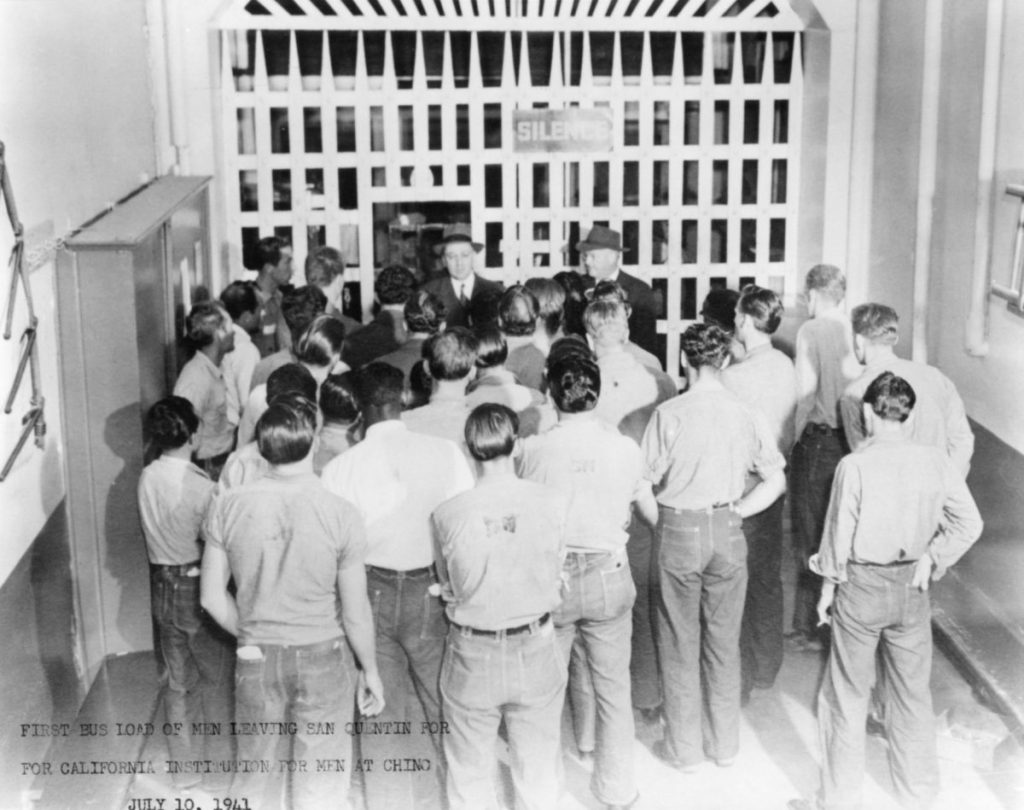
The first incarcerated people were transferred from San Quentin July 10, 1941.
“These 34 carefully screened men would set the tone of the institution for many years to come,” the CIM pamphlet states. “One of the first changes (in the institution’s mission) came in 1941 when a Conservation Camp was opened in San Bernardino County. A 30-man crew was supplied from the institution. The primary purpose was to repair equipment and tools for the Forest Service, clear firebreak, and when necessary, fight brush or forest fires.”
A different kind of prison
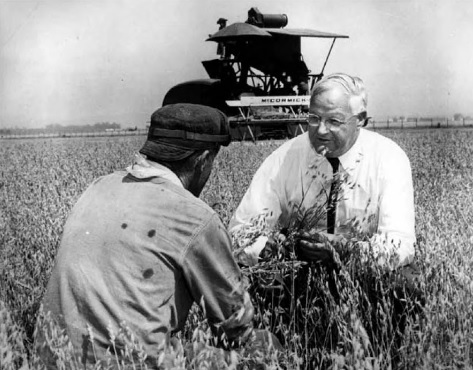
Another early staff member, William Richard Wilkinson, praised Scudder’s vision for CIM in his 2005 book, “Prison Work: A Tale of Thirty Years in the California Department of Corrections.”
Wilkinson worked for the department from 1951 until he retired in 1981.
“No individual institution embodied the spirit of reform better than the California Institution for Men at Chino,” according to Wilkinson. “Intended for younger, first-time offenders, or for those convicted of less serious criminal violations, Chino boasted a nationally recognized program.”
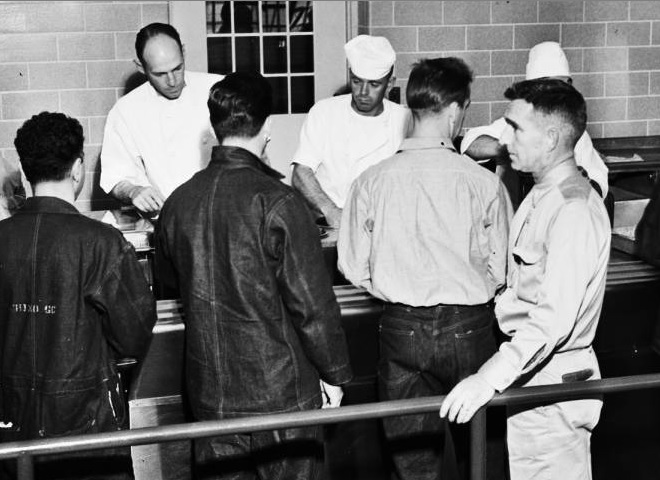
Wilkinson attributed CIM’s differences to superintendent Scudder.
“Scudder had another principle,” he wrote. “He would not hire anybody who had worked in a prison before, (wanting) people who didn’t have any prison background. He did not want to have a bunch of ideas to get rid of and gave us his philosophy on Day One. We had not been there 15 minutes before we knew exactly what he wanted, how he wanted to do it and how we were going to help him do it.”
Religious services at CIM
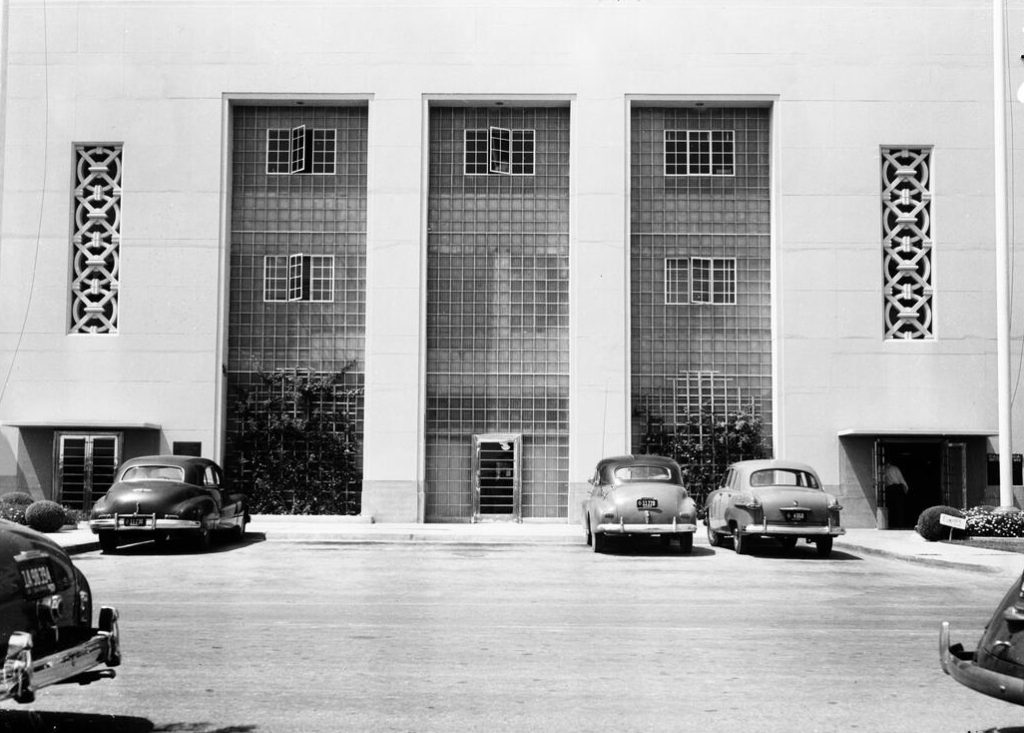
While there was no chapel at the institution, Scudder secured the services of a protestant pastor.
“Our first religious services were held in a room in the administration building, but we soon outgrew it,” he wrote in his 1952 book, “Prisoners are People.”
Staff began looking for a larger area to hold services.
“Someone suggested we use the patio for the protestant services. Wires were stretched from the gun rail of the unused catwalk on top of the wall to the main building, and white bunting kept out the glare of the morning sun,” he wrote. “The result was a beautiful outdoor chapel which seated over 200 men.”
They used their outdoor chapel for two years but as the incarcerated population grew, so too did church services. Eventually 380 people were attending protestant church services, and the Catholic group wasn’t far behind.
“We outgrew the patio and were forced to move over to the main dining room,” he wrote.
As church attendance continued to grow, they ran out of room. Scudder went to Richard A. McGee, the director of corrections, and asked for help.
McGee, with the help of the State Advisory Committee on Religion, went before the legislature to request funding.
“A sympathetic legislature appropriated $180,000 for two beautiful chapels to be constructed in Chino in 1952,” Scudder wrote.
First Catholic chaplain

The first Catholic chaplain was Father Michael Cooney, a former US Army chaplain during World War II.
“(He) is a tall Irish priest who was with Patton’s army in the Battle of the Bulge,” wrote Scudder. “He has a fine sense of humor and is never too busy to see a man.”
When a vehicle crashed near the prison in 1955, killing the driver and passenger, Cooney went to the crash site. There, he performed last rites over the two deceased people. Cooney served as the Catholic chaplain at CIM for 33 years. He passed away in 1992.
Fostering family connections
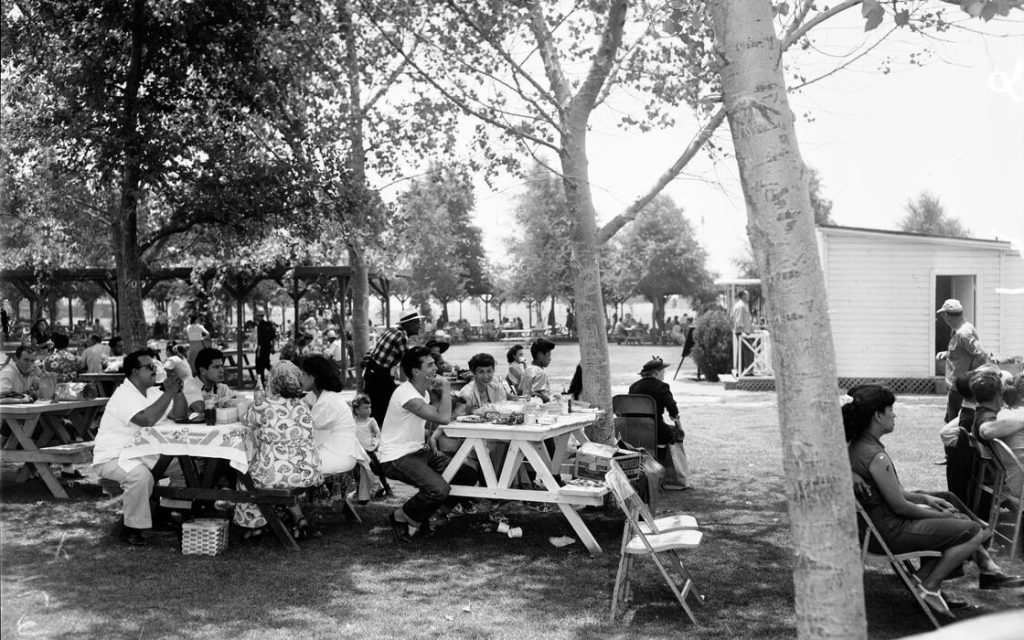
The first chaplains acted as a bridge between families and the incarcerated men.
“The chaplains’ field trips (to meet families) were worth everything. Sometimes he brought back a picture of the wife and baby or a little boy who was now in kindergarten,” Scudder wrote.
In a section of Scudder’s book, he focuses on the family visits.
“This visiting has been simply wonderful. To be able to visit and play with my own children and not have them forget me, to have the chance to see my wife and give her encouragement has meant everything to me,” said one incarcerated man in Scudder’s book.
Since 1941, CIM has continued to fulfill the department’s public safety mission.
Story by Don Chaddock, Inside CDCR editor
Office of Public and Employee Communications
Follow CDCR on YouTube, Facebook, X (formerly Twitter).
Learn more about California prison history.
Related content
CDCR history requests come from families, writers, professors
Requests for CDCR history can come from a variety of sources. They range from family members tracking down a rumor…
Read More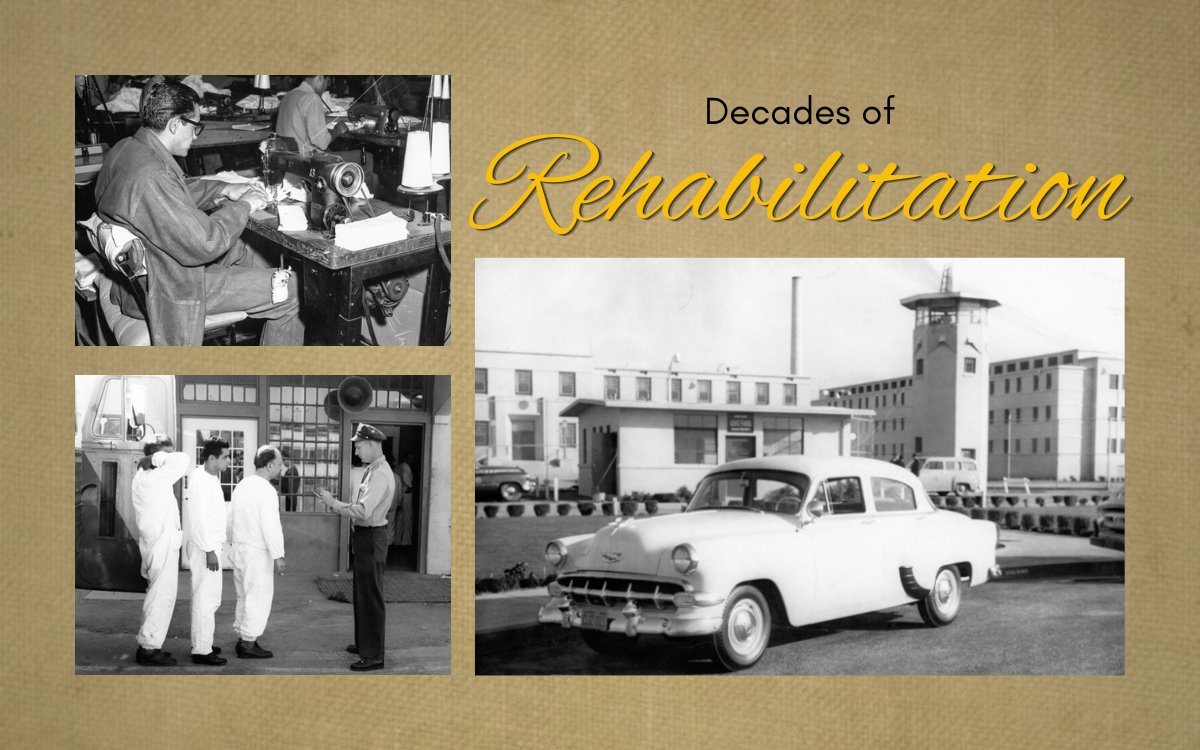
Explore 80 years of CTF‑Soledad’s history
Explore the history of the state’s fifth prison, the Correctional Training Facility (CTF) at Soledad. Activated in 1946, CTF was…
Read More
California Institution for Men marks 85 years of public safety
In 2026, California Institution for Men (CIM) is celebrating 85 years of public safety. The Chino institution, the fourth state…
Read More