

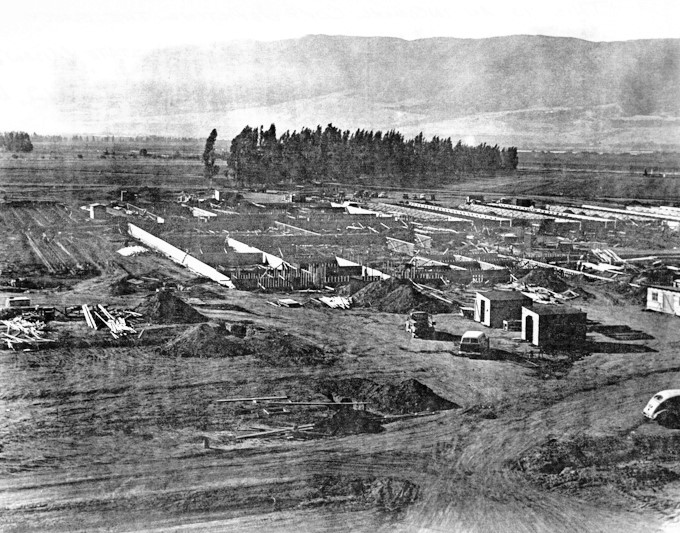
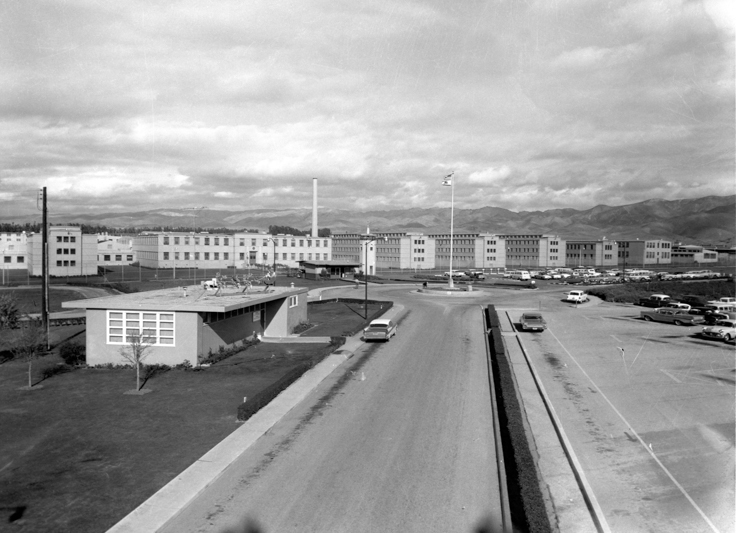
Explore the history of the state’s fifth prison, the Correctional Training Facility (CTF) at Soledad. Activated in 1946, CTF was built on the Carlyle Thorpe property, 936 acres of farmland located four miles north of town of Soledad. The land was purchased for $239,465.
State has history of repurposing military sites, buildings
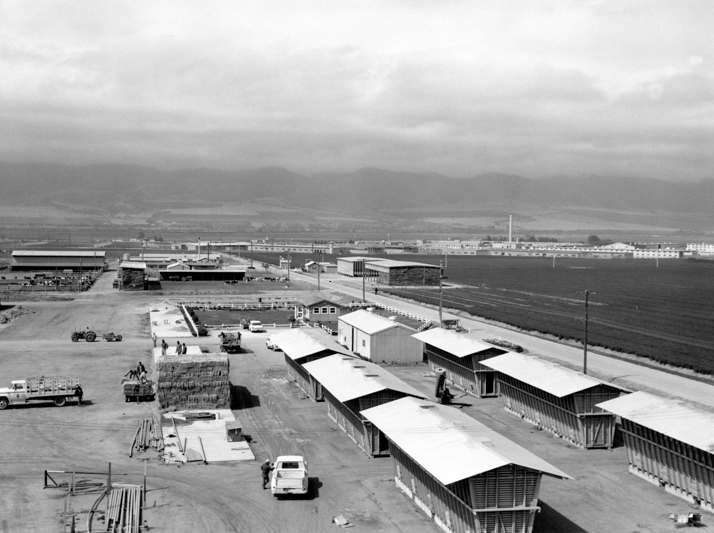
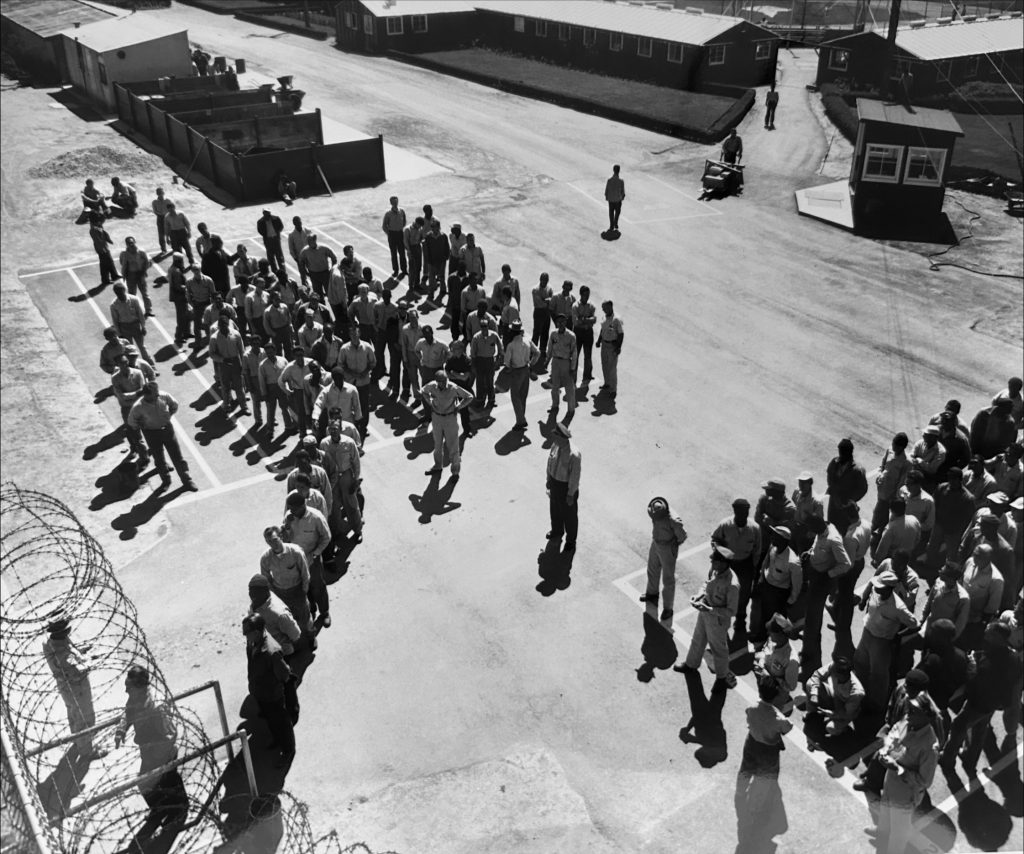
Buildings and surplus fencing from the military’s shuttered Camp Soledad, about five miles away, were purchased to be used for the new prison. (See our 2015 story on CTF’s history).
Other early CDCR institutions also began as repurposed military camps and facilities after World War II. These included California Vocational Institution in Lancaster (later Deuel Vocational Institution in Tracy), California Medical Facility at Terminal Island (later relocated to Vacaville) and Norco’s former hotel-turned-Navy hospital became California Rehabilitation Center.
CTF was known as Camp Barracks, later referred to simply as The Barracks. Today, South Facility occupies this space.
First prison staff
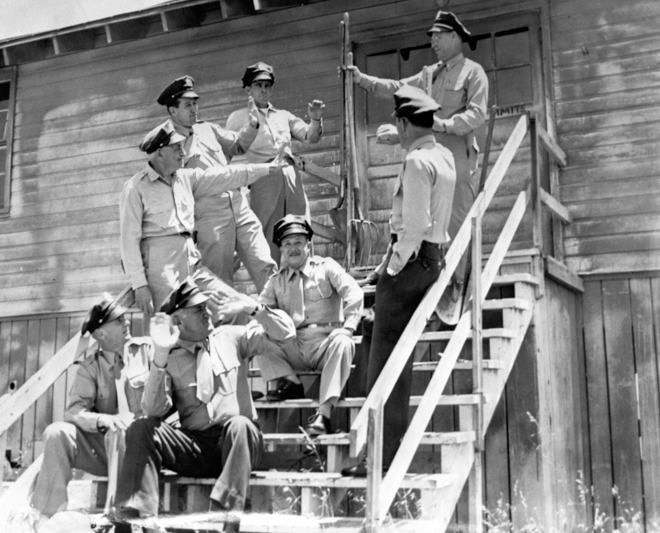
The first prison employee, Bruce Russell, Sr., reported for duty April 13, 1946. He worked out of an old farmhouse designated as the institution’s headquarters when construction began. Initially, the camp was considered a branch of San Quentin.
Two California Vocational Institution at Lancaster staff were transferred to The Barracks a few months later.
Bert Webb, superintendent at California Vocational Institution, was appointed warden July 1, 1946. the same day, Lt. Harry “The Horse” Smith was transferred to The Barracks.
“(Webb) came to (the prison) with an impressive background and much-needed experience,” writes CTF retired associate warden Jeff Soares, author of “History of Soledad Prison.”
Webb had a 12-year career in federal prisons and had previously served as warden for the state prison in Walla Walla, Washington.
Lt. Harry “The Horse” Smith also transferred from Lancaster the same day. Smith, the warden and two correctional officers supervised the roughly 10 incarcerated people who were working to activate the institution. By the end of August, they had finished additions to the buildings, including a new dormitory. The incarcerated population slowly grew to 50 by the close of 1946, according to Soares. By the middle of the 1947, the number climbed to 99. CTF officially became a stand-alone institution Sept. 1, 1947.
Remembering lives lost from 1959-1971
The first significant death of a staff member was in 1959 when North Facility Deputy Superintendent Robert Provost, his wife and two children were killed during an earthquake while camping in Yellowstone National Park.
Provost transferred from San Quentin to be the associate superintendent of the new guidance center at California Institution for Men at Chino in 1951.
“By handling a man in a program of his kind, we can demonstrate we’re interested in him as an individual and help him make the best adjustment later on. Also, we have here a centralized procedure for getting his initial problems taken care of immediately,” Provost told the Los Angeles Daily News, Nov. 13, 1951.
Provost was working at California Institution for Men in Chino when he transferred to CTF in 1955. In 1958, Director Richard A. McGee appointed Provost to oversee the newly constructed North Facility.
“Provost, 42, will become deputy superintendent of the prison in charge of the new section,” reported the Oakland Tribune, June 17, 1958. “For the past three and a half years, he has been in charge of the barracks unit at Soledad.”
Believed to be killed in a massive landslide, their bodies were never recovered. In all, the official death toll of the quake was 28.
To honor their fallen coworker, CTF staff created a memorial garden and installed a plaque at the flagpole in front of the entrance of North Facility, Soares writes.
Note: Unfortunately, Inside CDCR was unable to find a photo of Provost.
Early lives lost in the line of duty

Over the years, CTF staff have also lost their lives in the line of duty.
Four CTF staff killed in the line of duty in 1970-71 include Correctional Officers John Mills, William Schull and Robert McCarthy as well as Program Administrator Kenneth Conant.
In the following decades, the institution and the department have evolved, eventually transforming into what they are today.
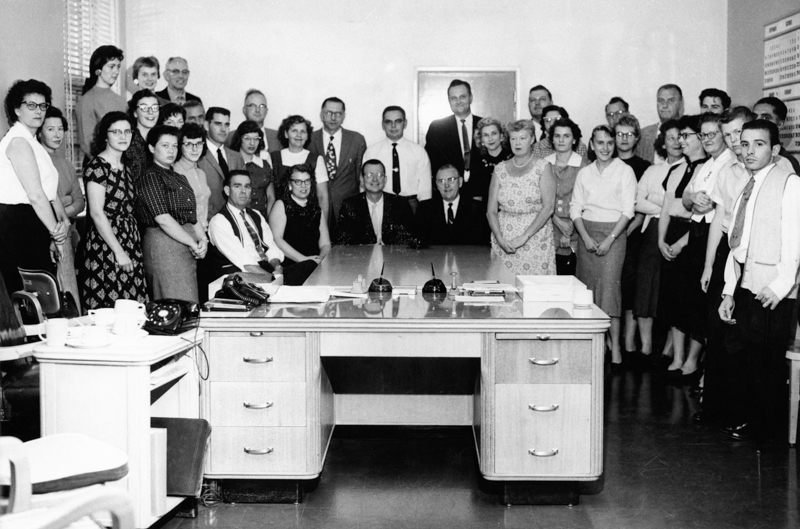
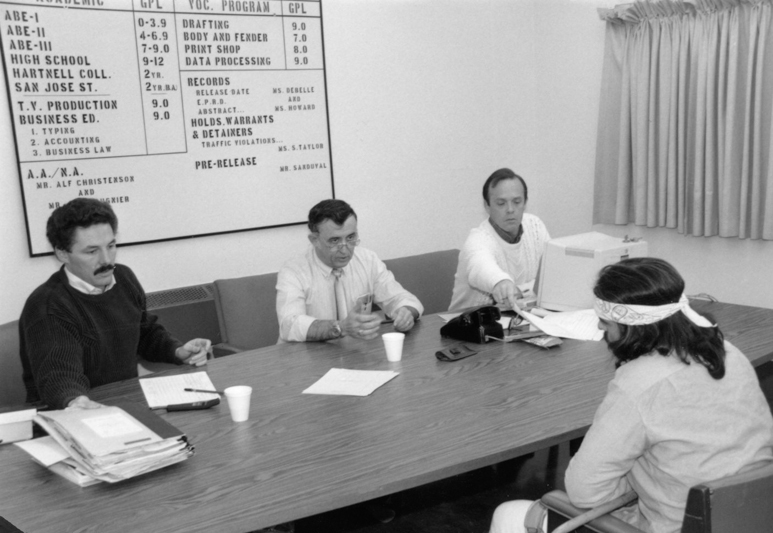
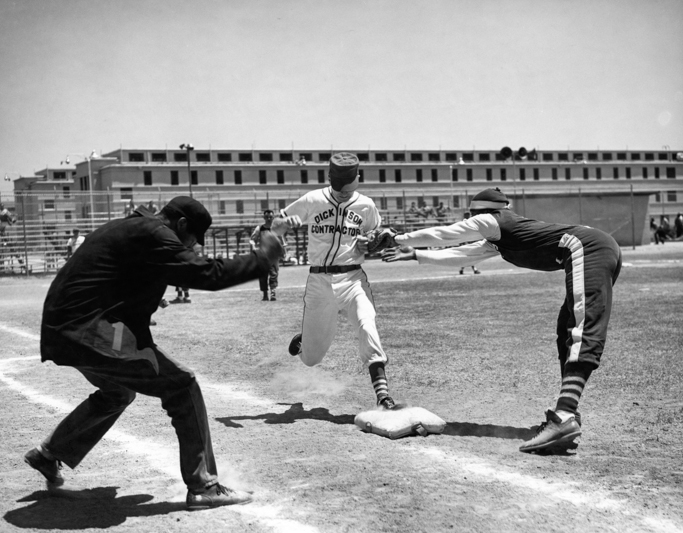
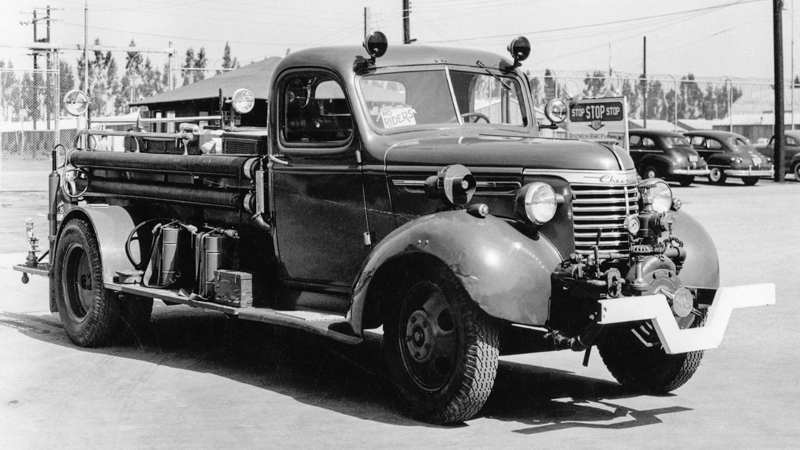
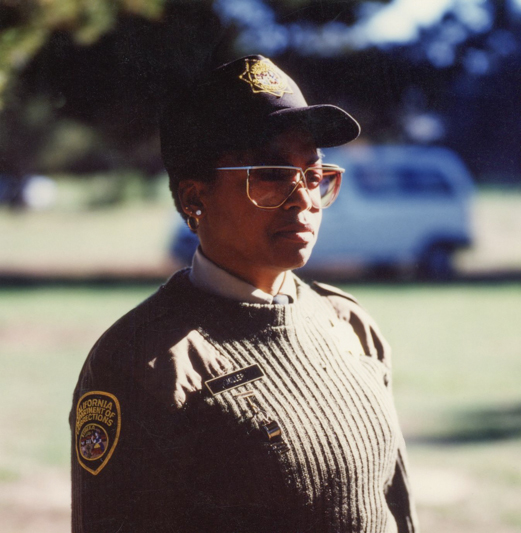
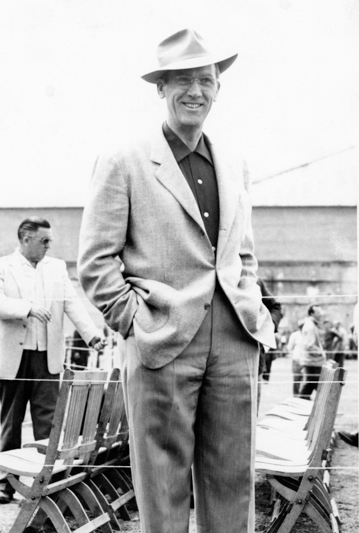
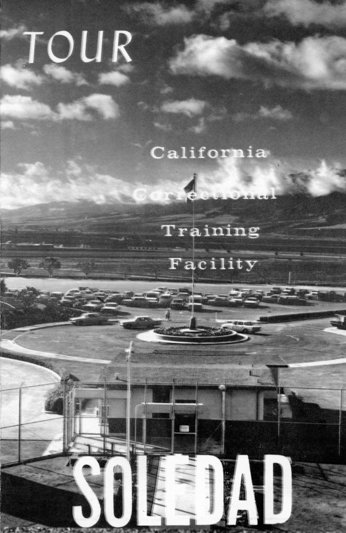
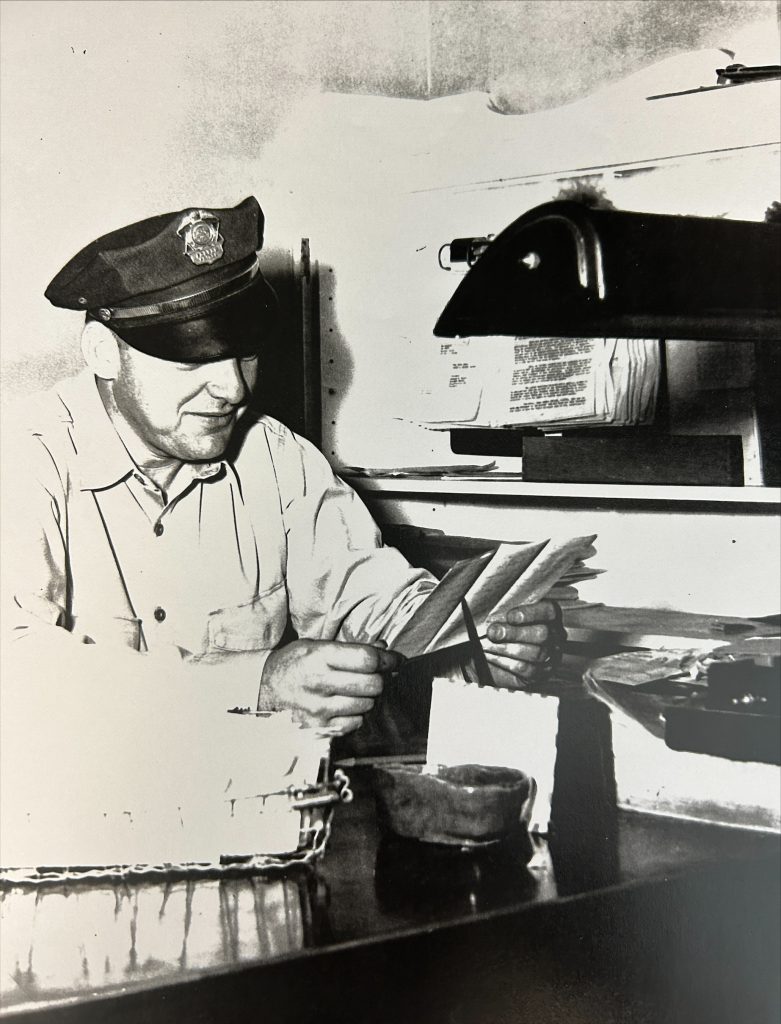
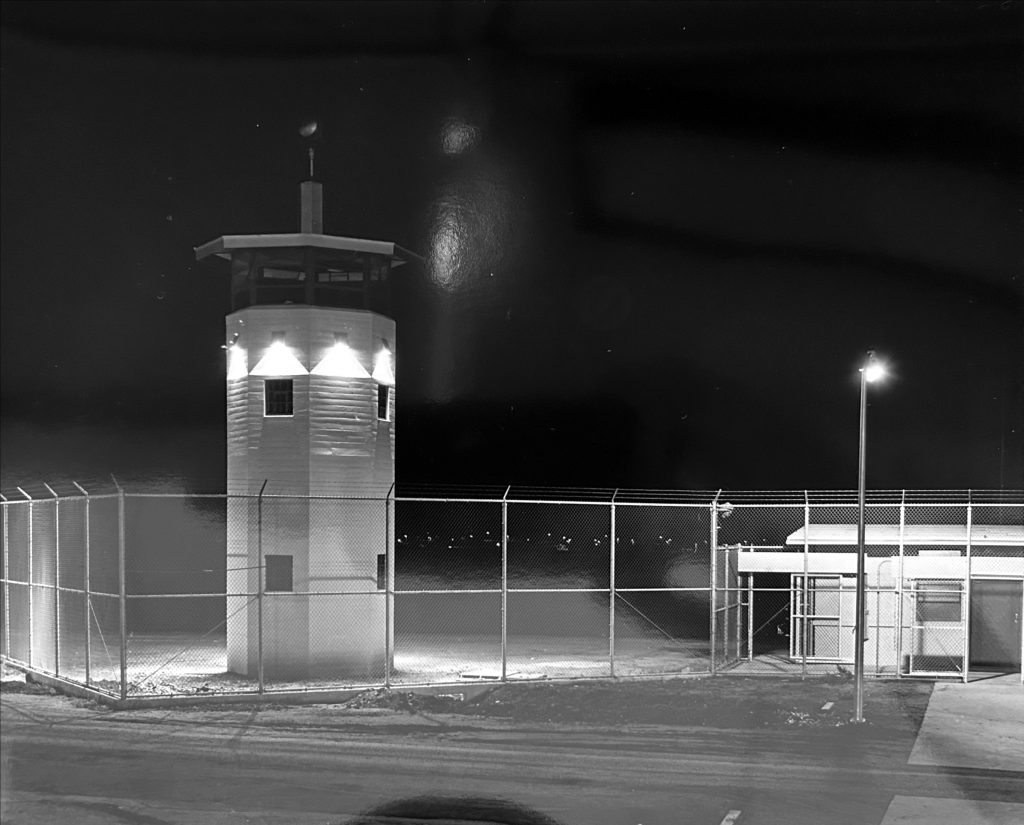
CTF-Soledad history in photos



Story by Don Chaddock, Inside CDCR editor
Assistance provided by Jeff Soares, retired associate warden and author of “History of Soledad Prison.” His book is available at Amazon and other online book retailers.
Follow CDCR on YouTube, Facebook, X (formerly Twitter).
Learn more about California prison history.
Explore CDCR history
CDCR history requests come from families, writers, professors
Requests for CDCR history can come from a variety of sources. They range from family members tracking down a rumor…
Read More
Explore 80 years of CTF‑Soledad’s history
Explore the history of the state’s fifth prison, the Correctional Training Facility (CTF) at Soledad. Activated in 1946, CTF was…
Read More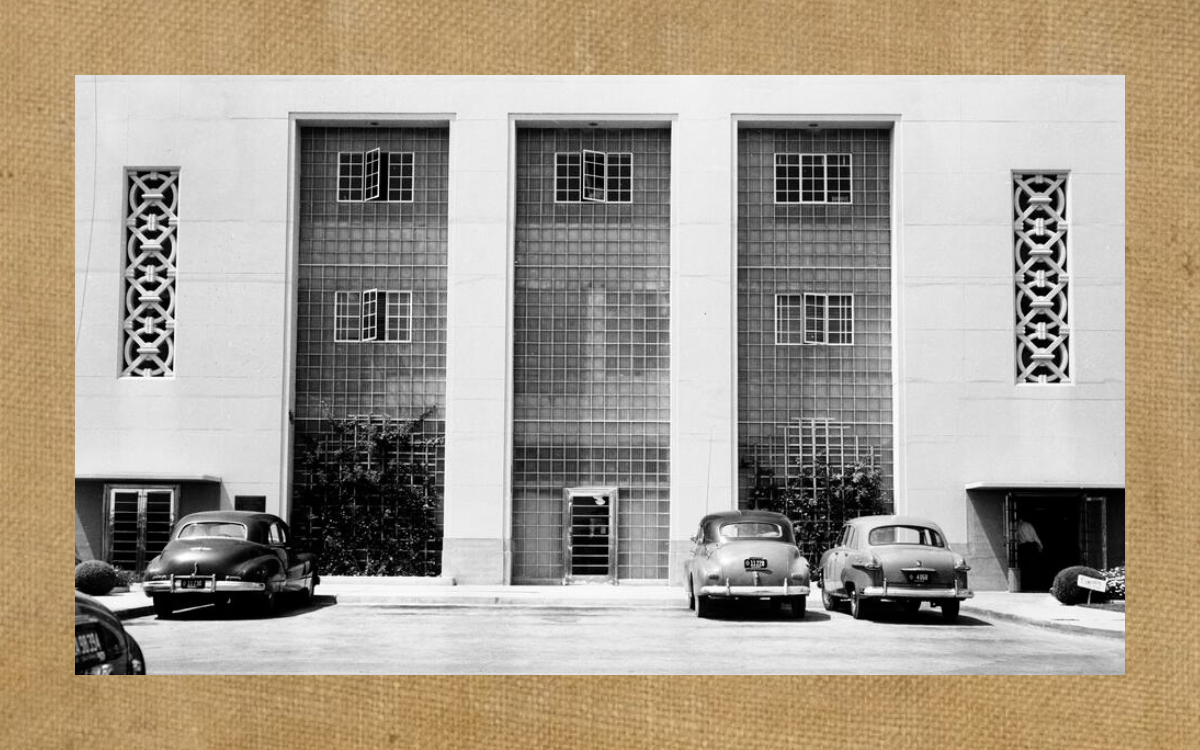
California Institution for Men marks 85 years of public safety
In 2026, California Institution for Men (CIM) is celebrating 85 years of public safety. The Chino institution, the fourth state…
Read More