

One of the foundational pillars of the California Model recognizes the need for CDCR to become a trauma informed organization.
Staff often witness or are directly impacted by traumatic events while also serving a population who are dealing with their own trauma.
Spearheading the first part of this effort is Dr. Briana Rojas, PsyD, CCTP-II. She’s CDCR’s chief psychologist and the associate director of the Office of Employee Wellness.
“Trauma-informed is to recognize the pervasiveness of trauma in the world and seek to be responsive. It means becoming aware of trauma’s many personal and societal consequences, anticipating how trauma survivors may respond to our words and actions, and doing our part to create a world that does not cause further harm,” Dr. Rojas said. “Even more, being trauma-informed means helping to create a world that can foster growth, resiliency, and healing as well.”
Becoming trauma informed is multi-step process
“Becoming trauma-informed promotes a healthier workplace that starts with our staff,” Dr. Rojas explained. “It lays the foundation for a bigger shift in how we operate. Each person has the power and opportunity to be part of a reformed Department; one in which trauma and toxic stress are reduced and safety and wellness are increased. Becoming trauma-informed starts with becoming trauma aware, therefore shifting the culture for everyone working and living in the correctional department. If we acknowledge the trauma, we can try and minimize the trauma. If we can predict it, we can prevent it.”
Dr. Rojas points out that CDCR and CCHCS are in the middle of an occupational health crisis.
“The Department is recognizing the inherent traumas associated with the correctional environment. Whether personally or professionally, each person has experienced some trauma in their life,” she said. “The correctional environment is inherently stressful and traumatic and when we do not take this into consideration, it changes how we interact with each other (and) our families. It changes the lens (through) which we view the world. But if we understand the reasoning behind the why, it’s the first step in changing the behavior.”
How staff interacts with each other, their families, and the incarcerated population, can be improved by changing how people view the world around them.
“When we look at each interaction we have with each other through the lens of ‘What happened to you?’ instead of ‘What’s wrong with you?’ it shifts the way we view others. It opens the door for a conversation and if we change the way we interact with each other it can minimize further trauma. Trauma begets trauma; traumatized people may continue to perpetuate trauma through their interactions. And if we’re all a little less traumatized by events in our lives, we can become better,” Dr. Rojas explained.
Staff training around trauma
Recently introduced staff training focuses on this pillar, changing minds along the way.
Lt. Mike Santoya said the training helped him recognize his own thoughts and emotions.
“It reminded me how we tend to avoid our thoughts/emotions of the tragedies at work and within our personal lives. I have done this personally and fight with myself to put myself first before others,” Santoya said. “Since the training, I’ve been expressing my thoughts and emotions more. Realizing if I am going through something, maybe others are too. I can help them or they can help me understand my issues.”
Santoya said these types of courses are important.
“These style of courses helps us assist our brothers and sisters in all departments in getting rid of the notion that nothing bothers us,” he said. “The ‘it is what it is’ mentality is something I notice I have and am slowly removing that thought process.”
Recognizing how everyone goes through traumatic experiences is key to understanding how to deal with each other, whether an employee, an incarcerated person, or our own family members.
“We do not know what other people are going through and should not cast judgement on others. Being there for each is imperative as sometimes we are the only ones who understand or can relate,” he explained. “More than saying ‘I am my brothers (and sisters) keepers,’ it should be a way thinking about one another. Speaking for myself, this will not be an easy transition but needs to happen.”
Video by Clarissa Resultan, TV Specialist and staff photographer
Story by Don Chaddock, Inside CDCR Editor
Office of Public and Employee Communications
Learn more about the California Model on the CDCR website.
Follow CDCR on YouTube, Facebook, X (formerly Twitter). Listen to the CDCR Unlocked podcast.
Related content
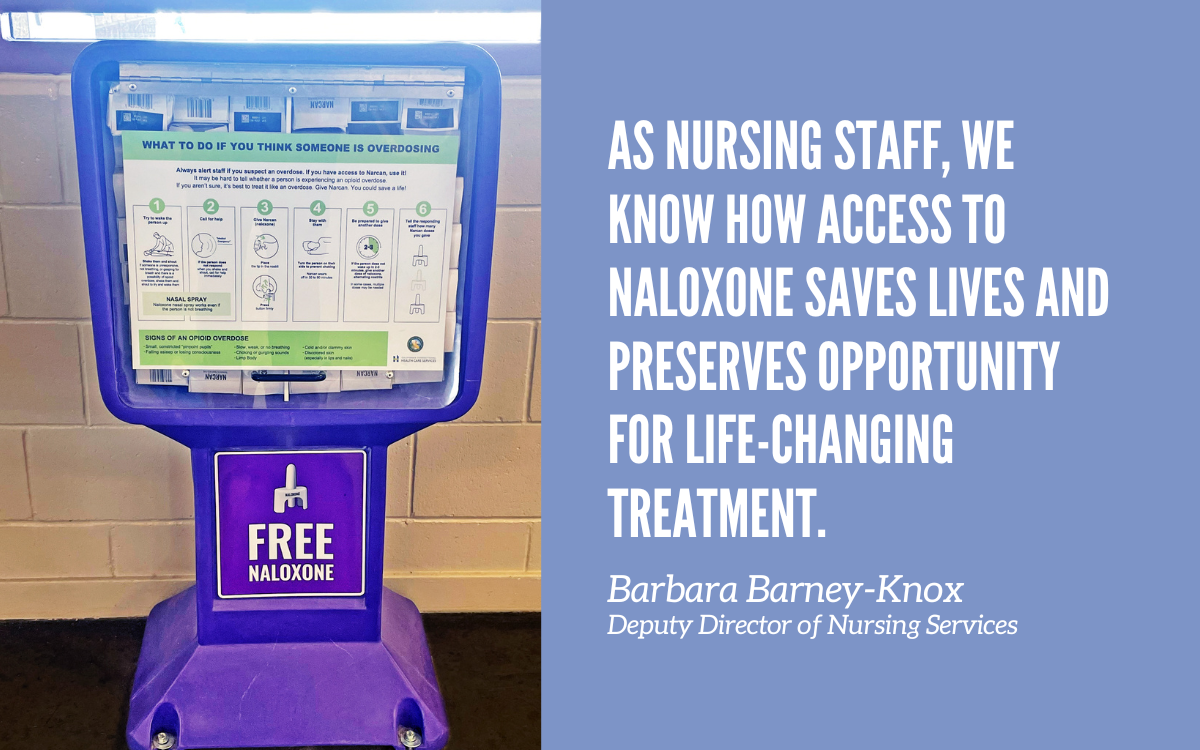
Life‑saving era: CDCR expands naloxone access
To decrease overdose deaths in California prisons, CDCR has expanded unprecedented access to naloxone. Commonly known by its brand name,…
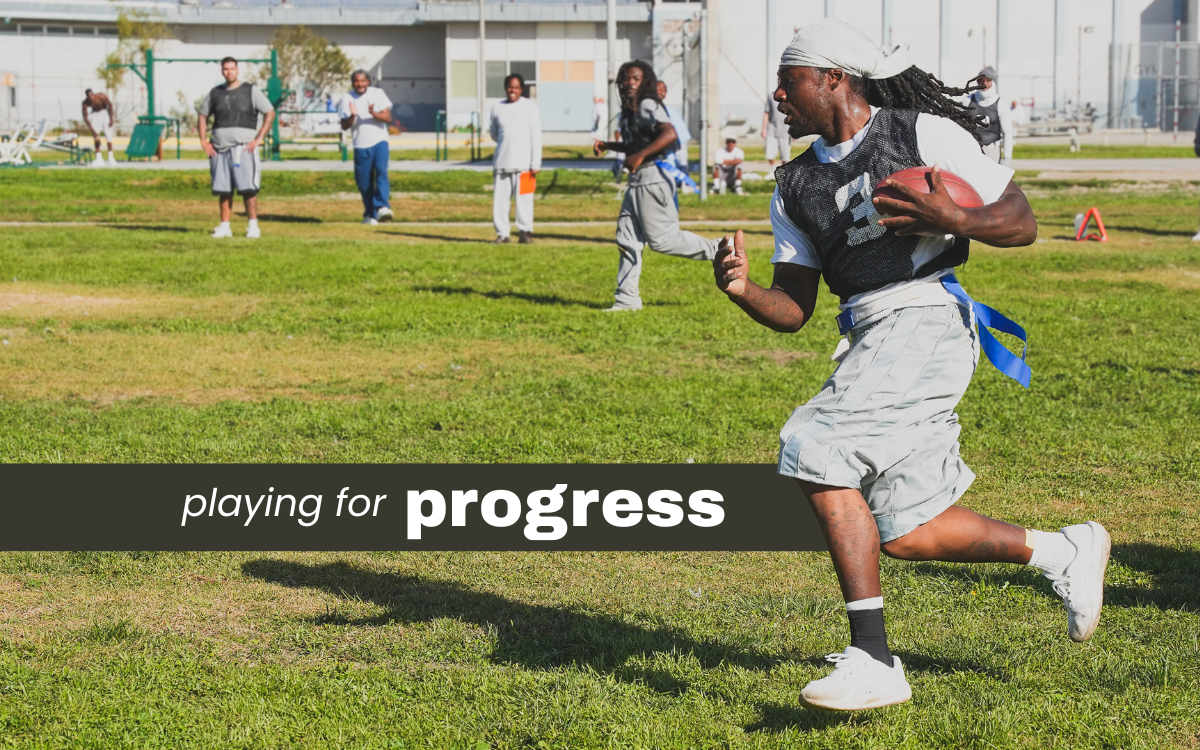
Watch: Bonding on the Field: CIM flag football
On a foggy Friday afternoon at California Institution for Men (CIM) in Chino, competition and camaraderie came together as players…
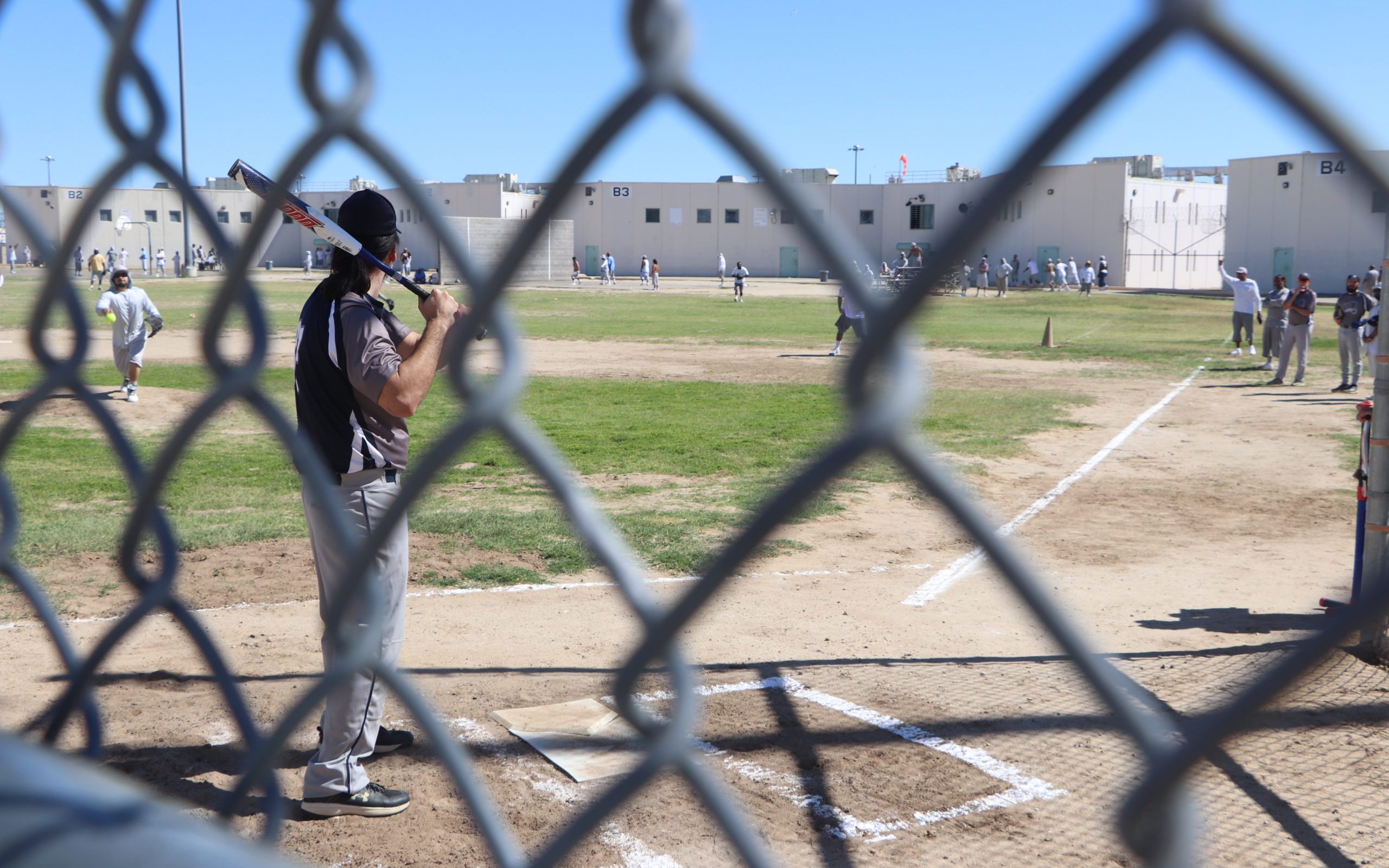
Centinela hosts Saints Prison Ministry softball
Saints Prison Ministry visited Centinela State Prison (CEN) to engage incarcerated persons on three facilities in friendly yet competitive softball…

Probation, education leaders tour VSP
Valley State Prison (VSP) recently welcomed probation and education leaders on tours to learn more about rehabilitation efforts. The two…
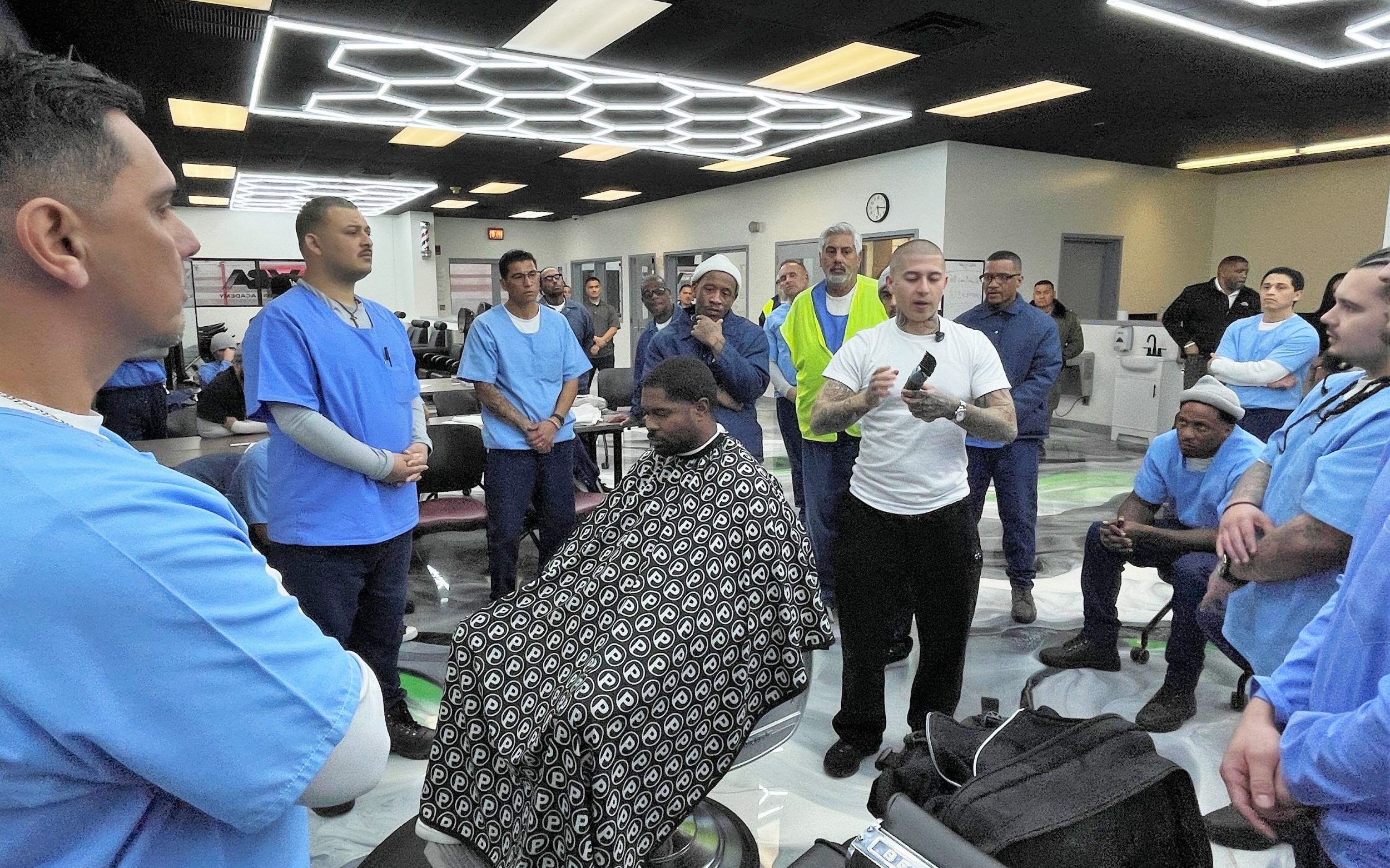
Vic Blends makes surprise visit to Valley State Prison
On a recent afternoon, the newly renovated Valley State Prison barbershop was buzzing with excitement, but students had no idea…
RJD hosts first Black History Month celebration
The first Black History Month Celebration was recently held at RJ Donovan Correctional Facility (RJD). The Feb. 27 program created…