

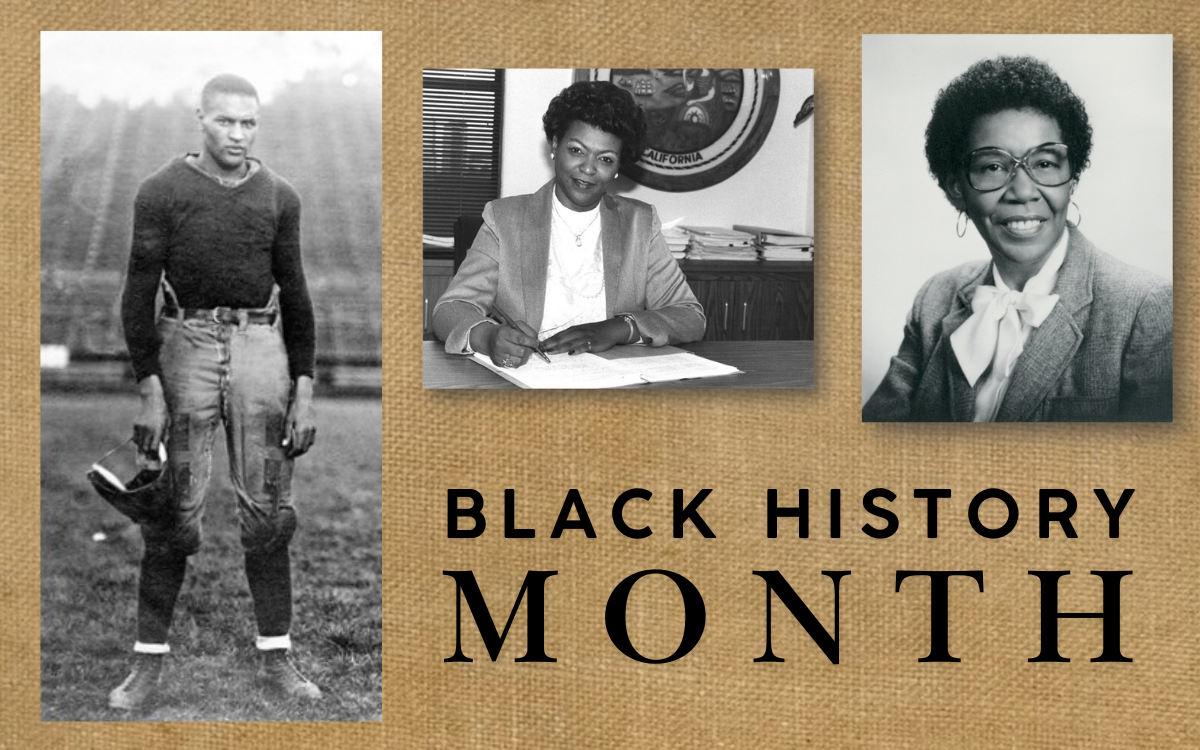
Delinia Lewis, an associate warden at California Institution for Women, sent the following note in honor of Black History Month.
This annual celebration held in February (in the U.S. and Canada) honors the achievements, contributions, and history of African Americans. Originating in 1926 as Negro History Week, it was created by historian Carter G. Woodson to highlight the often-overlooked accomplishments of Black individuals. Expanded to a month in 1976, it coincides with the birthdays of Abraham Lincoln and Frederick Douglass.
The observance recognizes the resilience, culture, and impact of African Americans in shaping society, from civil rights leaders like Martin Luther King Jr. and Rosa Parks to innovators in science, arts, and politics.
It also serves as a time to reflect on the struggles for racial equality and justice. Through education, events, and cultural programs, Black History Month fosters awareness and appreciation of Black heritage, inspiring continued progress toward equity and inclusion.
California Gov. Gavin Newsom issued a proclamation designating February as Black History Month. Read the full proclamation on the website.
Black History Month honors staff contributions
From correctional officers to prison leadership, the contributions of Black staff are numerous. The following tales are only a small sample.
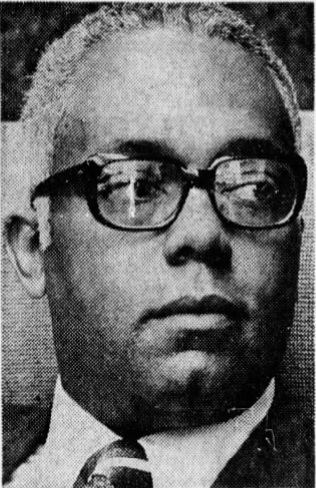
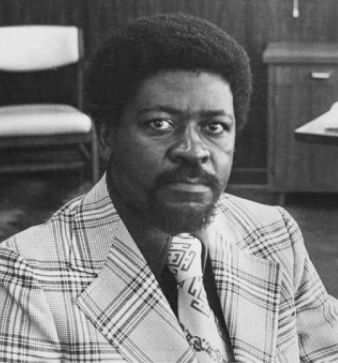
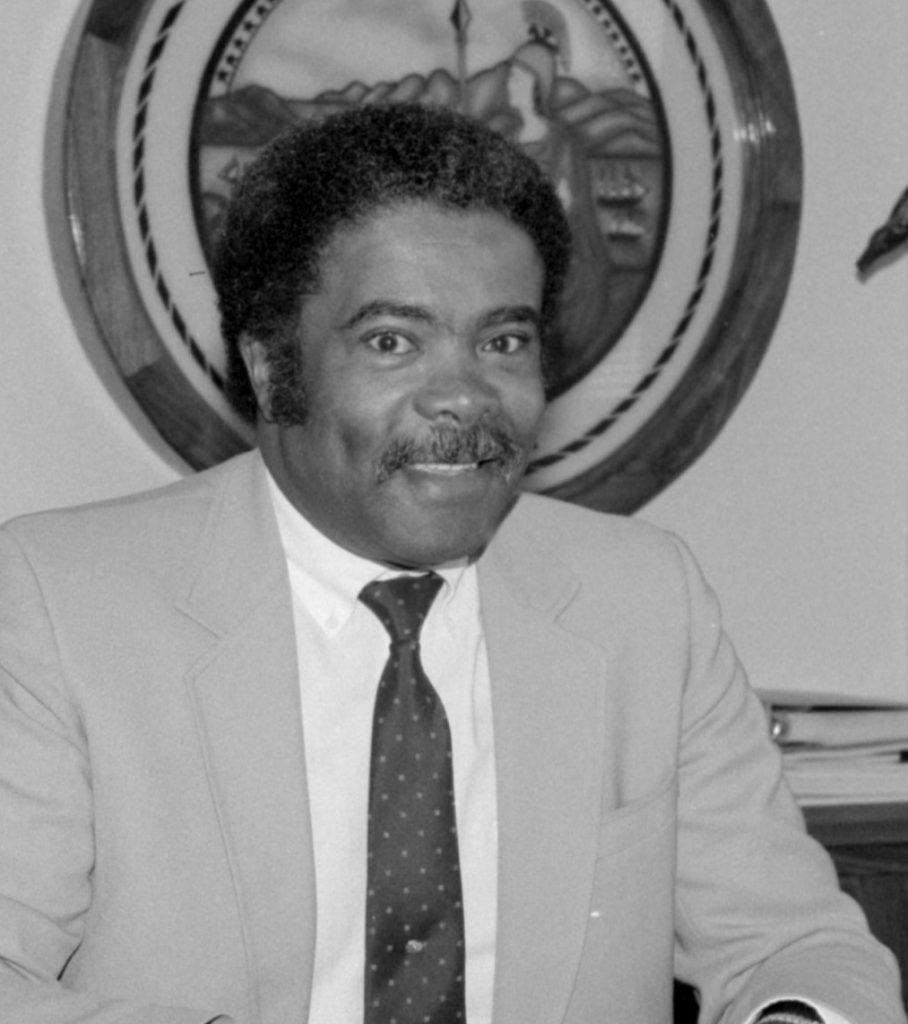
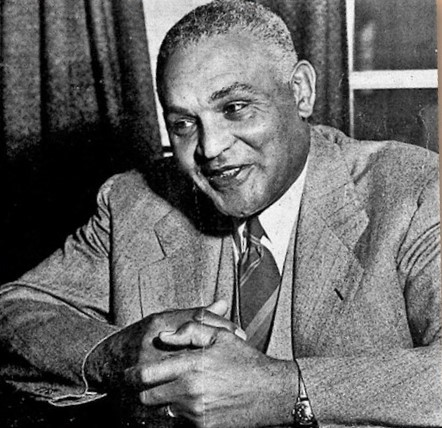
Otis Loggins began his career at California Medical Facility in 1958 as one of two African American correctional officers. In 1968, he promoted to captain. Years later, he was appointed as warden. Read the full story on Loggins.
Bertram Griggs made headlines in 1971 when he became California’s first black warden at California Institution for Men (CIM) in Chino. Nearly a decade earlier, he became the first black person to promote through corrections to become a regional parole administrator. “The least we can do is give a man a proper education so that he can go out and get a decent job,” he said. “It’s not enough to teach him a trade if he isn’t properly educated.” Read the full story on Griggs.
Reginald Pulley was appointed warden of San Quentin in 1982. According to news reports, he was the “first black person to be named head of a maximum-security prison in California.” He retired from state service in 1986. “If you don’t know your history, where you come from, you don’t know how you’re going to go forward,” Pulley said. Read the story on Pulley’s career.
Walter Gordon helped shape today’s parole system. In 1919, Gordon was the first black police officer hired in Berkeley. In the 1940s, he served on the Board of Prison Terms and Paroles. Read his inspiring story.
Black women break leadership barriers
Ruth Rushen, in 1980, became the first African American as well as the first woman to lead the entire department. Breaking barriers was something Rushen knew all about. Earlier, she was the first woman appointed to the Board of Prison Terms. Believing education is key to rehabilitation, she pushed the department closer to modern standards. Previously, Rushen worked 18 years for the Los Angeles County Probation Department. Read about Rushen in our previous story.
Teena Farmon activated two female-focused institutions during her career with the department. “She was a black woman who accomplished so much, especially back then,” said her son, retired CDCR Sgt. Darin Farmon. She began her state career in 1968, working at various agencies. Farmon served as prison construction manager for the Northern California Women’s Facility at Stockton, then was appointed as the facility’s first warden. When Central California Women’s Facility opened in 1990, she was appointed warden. She passed away in 2021. Read the full story on Farmon’s career.
By Don Chaddock, Inside CDCR editor
Learn more about California prison history.
Follow CDCR on YouTube, Facebook, X (formerly Twitter).
Explore CDCR history
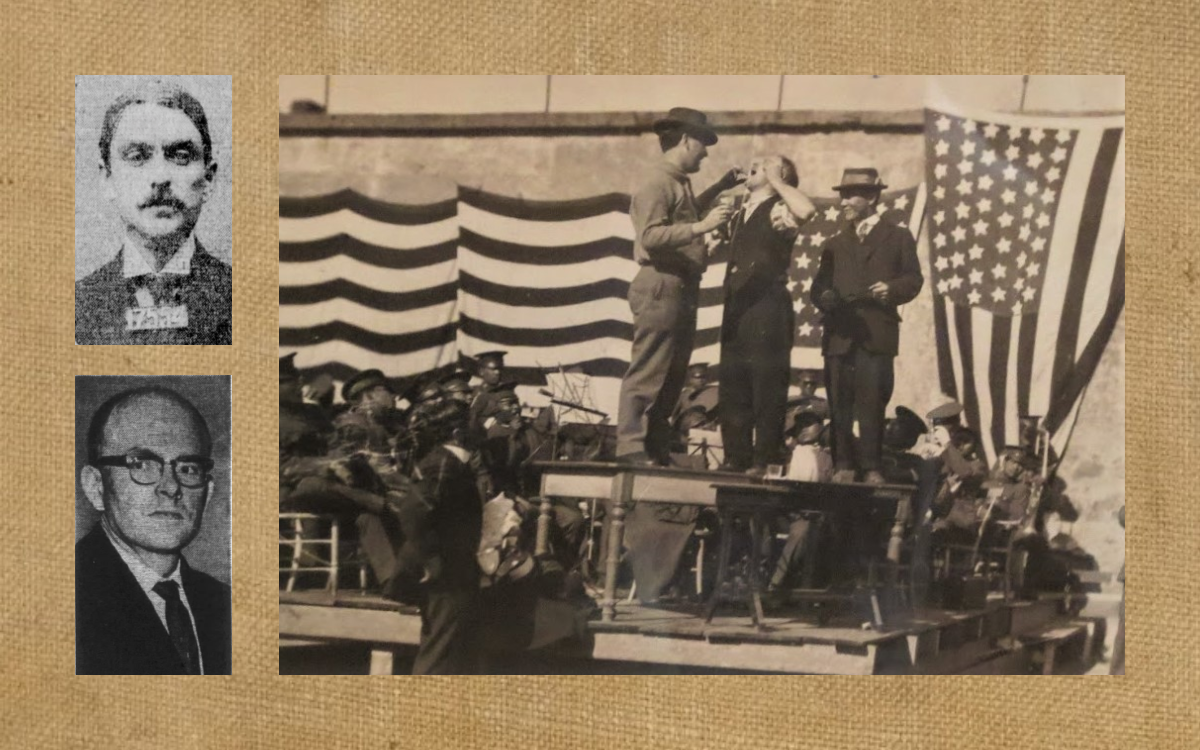
CDCR history requests come from families, writers, professors
Requests for CDCR history can come from a variety of sources. They range from family members tracking down a rumor…
Read More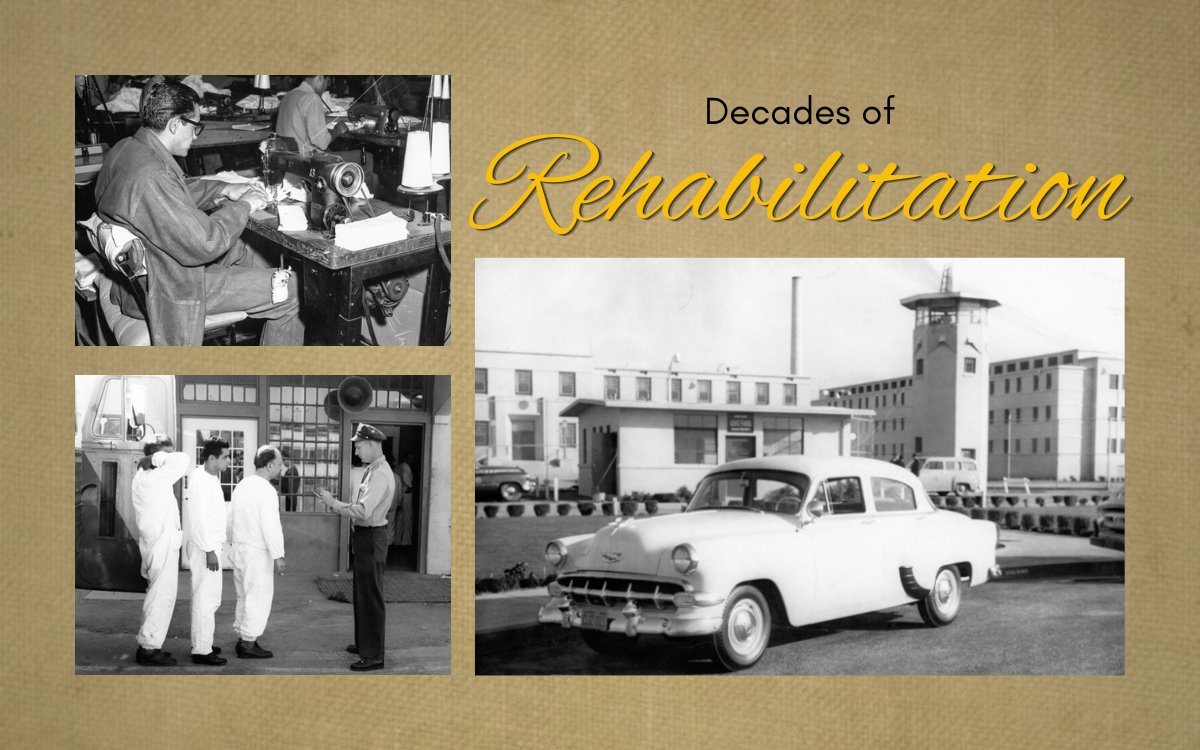
Explore 80 years of CTF‑Soledad’s history
Explore the history of the state’s fifth prison, the Correctional Training Facility (CTF) at Soledad. Activated in 1946, CTF was…
Read More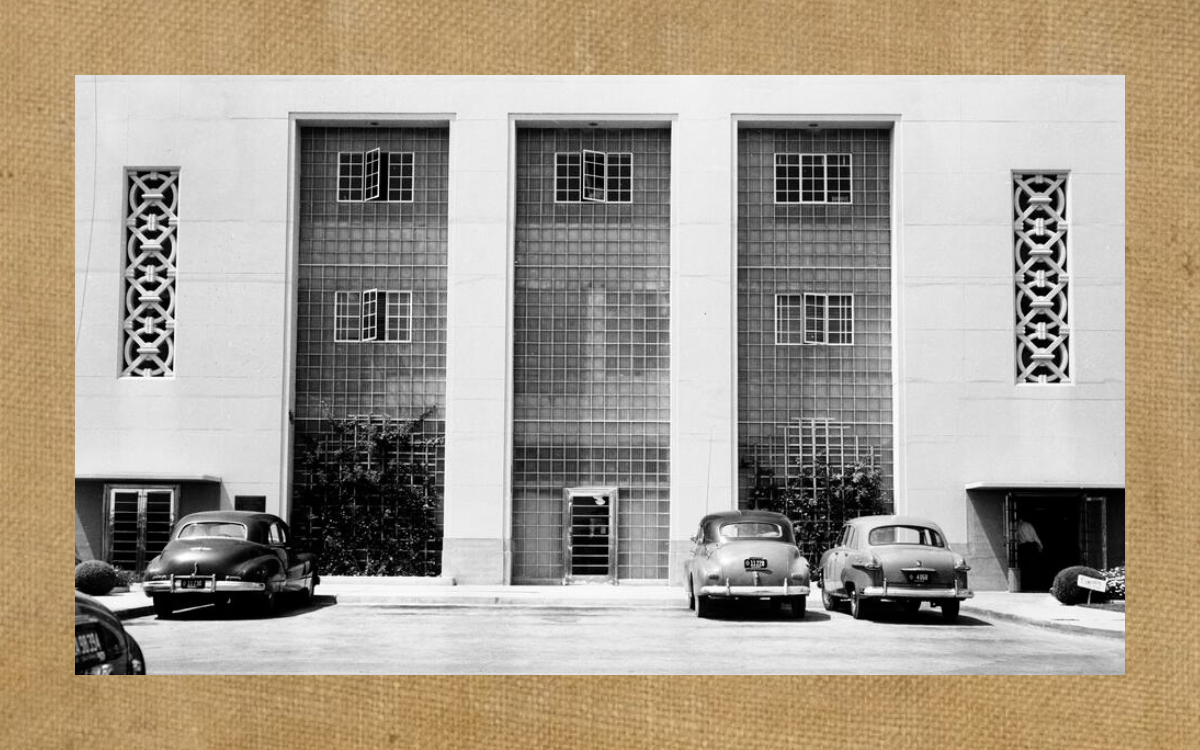
California Institution for Men marks 85 years of public safety
In 2026, California Institution for Men (CIM) is celebrating 85 years of public safety. The Chino institution, the fourth state…
Read More