

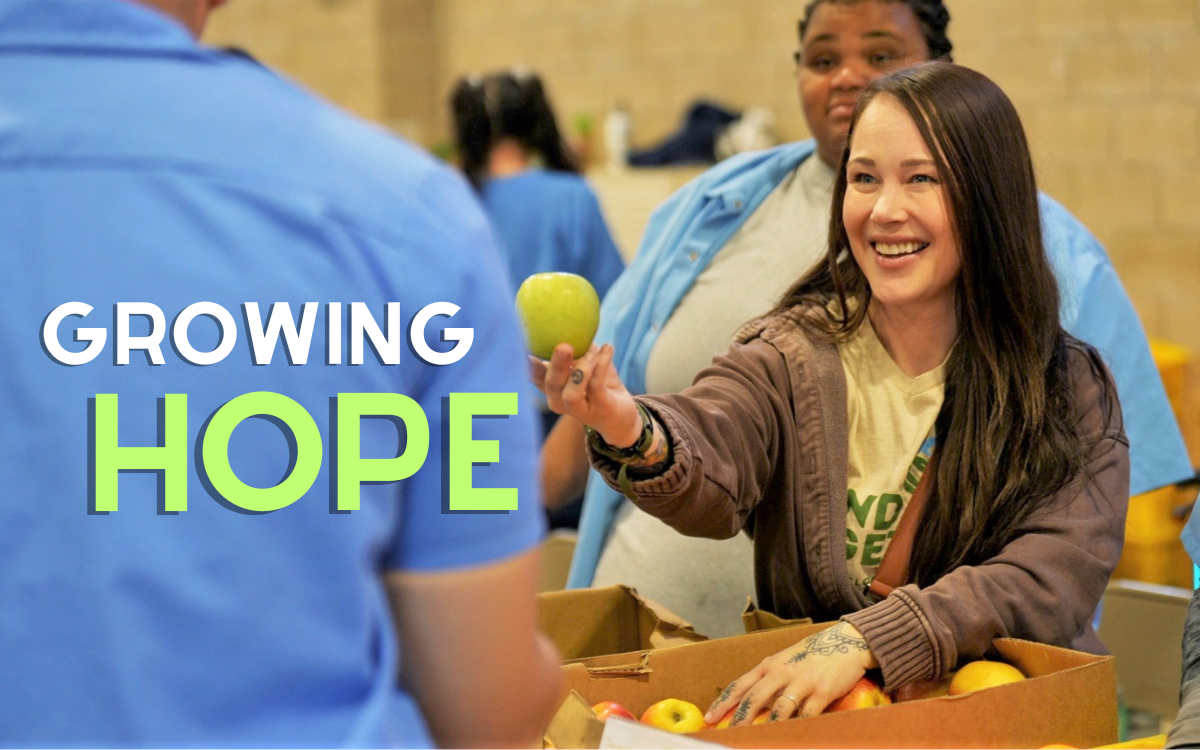
What started as a modest farmers market in September 2024 has blossomed into a thriving collaboration involving Land Together (LT), California Resource Corporation (CRC), and the Central California Women’s Facility (CCWF).
CCWF’s recent Farmers Market doubled in size compared to its inaugural event, with even greater expansion expected at the next market.
Watch the video (story continues below):
“As the next Farmers Market approaches, the momentum behind this initiative shows no signs of slowing down.”
Lauren Beatty-Harris, Land Together Program Manager
Central California is known as one of the most productive agricultural regions in the world, supplying a significant portion of the nation’s fruits and vegetables. The CCWF Farmers Market highlights this abundance, connecting program participants to the very industry that sustains communities across the country.
LT prioritizes sourcing from local farms, ensuring a diverse selection of fresh, high-quality options for participants. By partnering with local food donors and vendors, the event provides nutritious offerings while also strengthening the broader food and farm networks in the Fresno region. This collaboration highlights the positive ripple effect of supporting local agriculture, fostering connections between growers and the community.
Some of the partnerships with LT include:
- Spork Food Hub
- Garcia Farms
- KMK Farms
- Mao Farms
- Fresno State College
“I would like to express our heartfelt appreciation for the collaboration between Land Together and the generous donations from local farmers for our staff and incarcerated population,” said CCWF Warden Anissa De La Cruz. “This partnership has a meaningful impact, providing incarcerated individuals with access to an abundance of fresh fruits, vegetables, herbs and flowers.”
CCWF Farmers Market offers hope
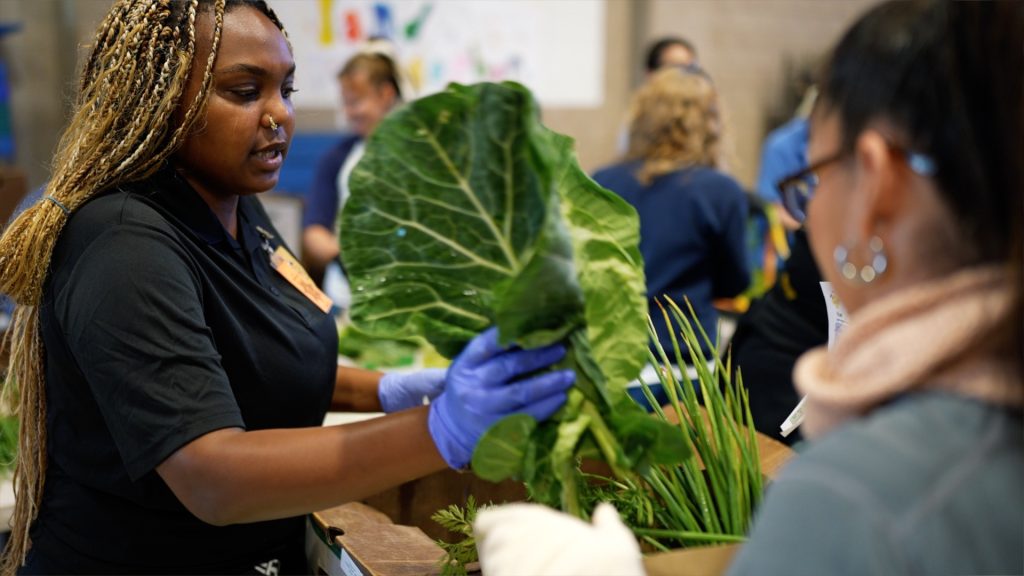
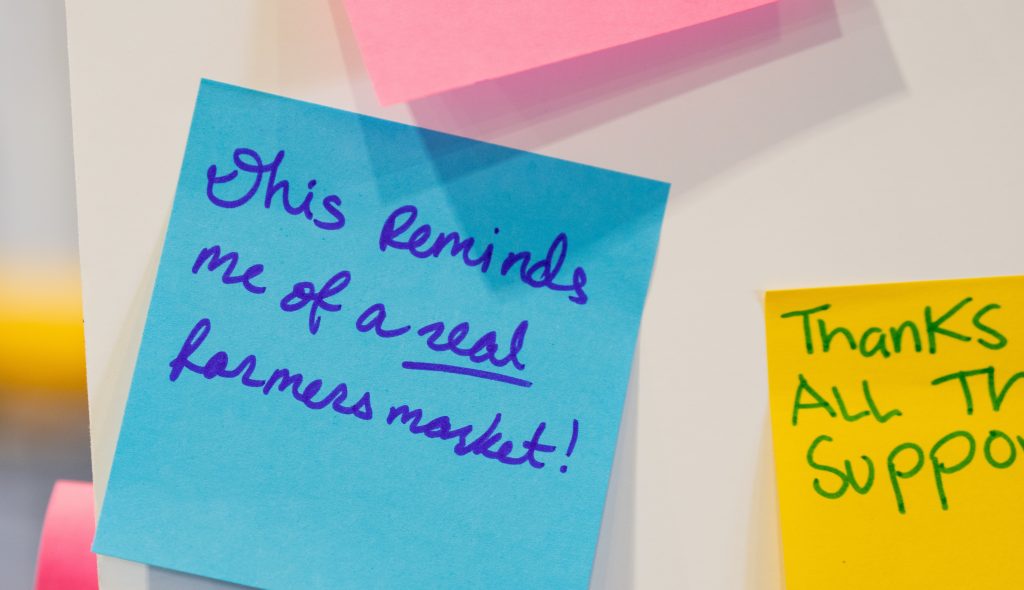
As individuals step into the CCWF Farmers Market, they are surrounded by vibrant displays of fresh fruits and vegetables. They browse the selection just as they would at any market outside the institution’s walls.
The simple act of choosing produce creates a sense of connection to the outside world, a reminder that life beyond incarceration is still within reach. More than just a place to obtain fresh produce, the market represents hope.
It offers a glimpse of a future where fresh food, healthy choices, and meaningful interactions are part of daily life.
For many, it’s an emotional experience—proof that positive change is possible and that reintegration into society doesn’t feel so far away. In that moment, they are not just incarcerated individuals, but rather people preparing for a better future.
“I take full accountability for the choices that brought me here, but while I’m here, I’m working to change. Events like this show me people care, and second chances are real,” said Amyloid Daniel, an incarcerated shopper. “They give me hope.”
Building skills for a fresh start
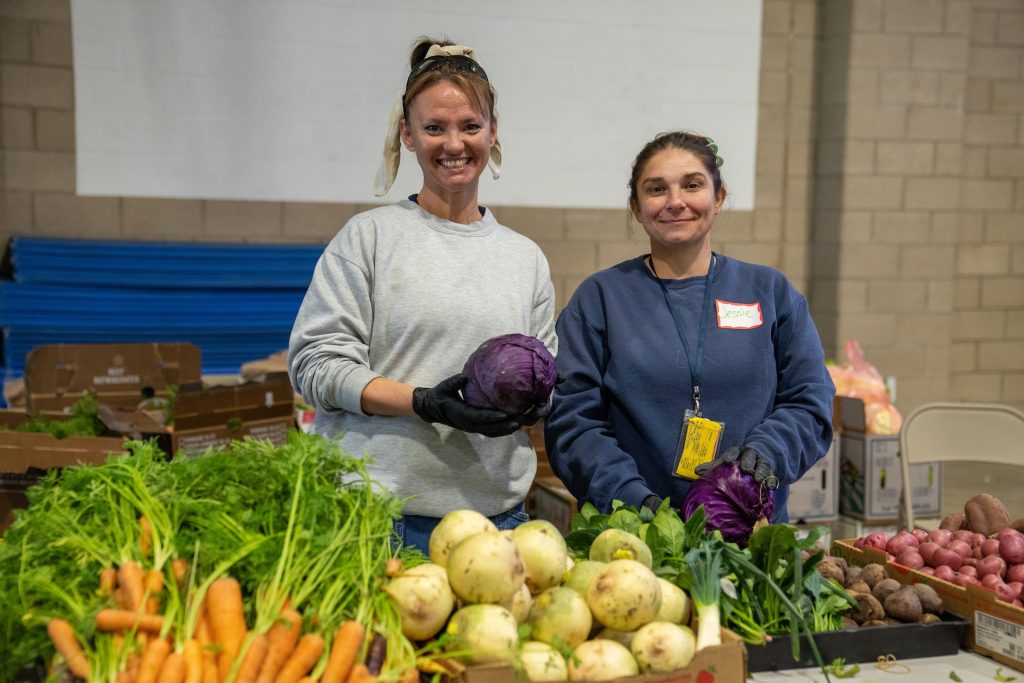
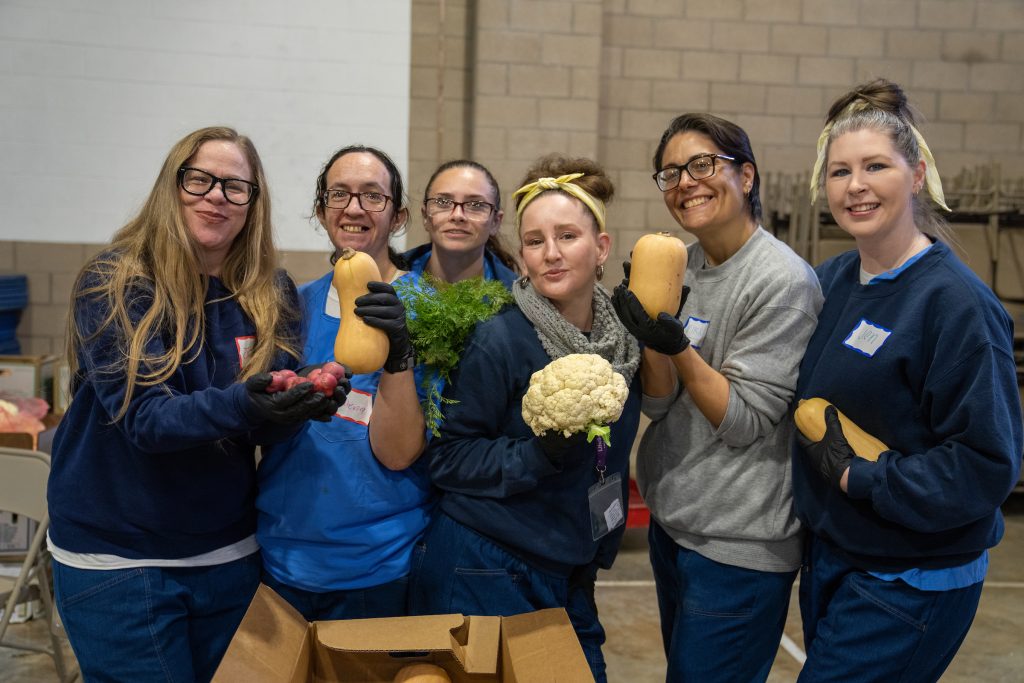
The Farmers Market provides more than just fresh produce—it’s a hands-on opportunity for program participants to develop valuable life skills in preparation for release.
One of the driving forces behind the initiative is LT, an organization dedicated to providing incarcerated individuals with the knowledge and training needed to secure jobs in agriculture upon release.
Through their programs, participants learn irrigation techniques, sustainable farming practices, and key agricultural skills. Without these training opportunities, events like the Farmers Market wouldn’t be possible.
“Good food promotes good habits,” said LT’s Beatty-Harris. “I can imagine providing fresh produce to everyone across the state.”
Beyond agricultural training, participants are learning transferable skills to prepare them for employment upon release.
“This is the bigger version of what our program teaches individuals,” says Beatty-Harris. “We bring life skills such as irrigation techniques, agricultural knowledge, and everything they need to know to get a job in agriculture upon release.”
A collaborative effort with no cost to taxpayers
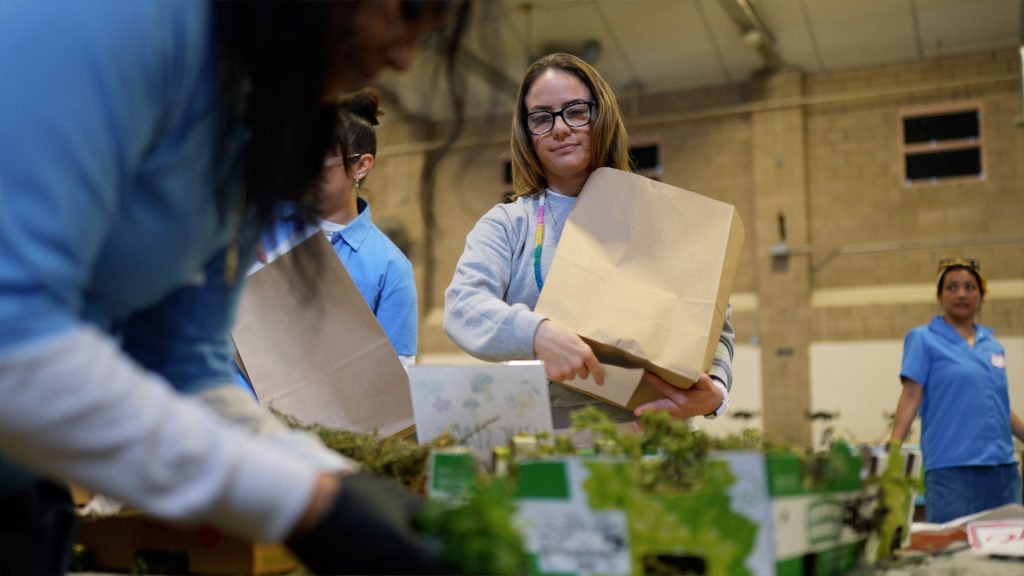

Made possible through corporate donations, contributions from local farmers, and support from institutional community gardens, the success is largely due to the partnership between LT and CRC.
CRC works alongside LT, securing funding from corporate sponsors to ensure that the event remains entirely cost-free to taxpayers. Their support enables the market to grow while also providing incarcerated individuals with meaningful opportunities to gain agricultural experience.
“This event is made possible by corporate partnerships and relies on no taxpayer dollars,” said Nicole Parra, former 30th Assembly district representative, and current vice president of community affairs for CRC. “Our goal is to develop something with long-term benefits. We all know the skills these women are learning in the community gardens.”
Expansion plans on horizon
LT began as a single garden in San Quentin in 2002. Today, they have 12 garden programs serving hundreds of incarcerated participants in nine institutions, including two medical facilities and both women’s facilities. They also offer reentry programs in 14 counties.
The San Quentin Resource Team also attended the event, looking for ways to expand similar initiatives in the future. Their presence at CCWF signals a growing movement to bring rehabilitation-focused agricultural training to more institutions.
With the possibility of expanding programs like this, Steven Lopez of the San Quentin Resource Team says, “All the new changes are making a big impact.”
Story by Todd Javernick, information officer
Video by Chris Medina, TV Communications Director (specialist)
Office of Public and Employee Communications
Read more rehabilitation stories.
Learn more about the California Model on the CDCR website.
For media inquiries, e-mail the Office of Public & Employee Communications.
Follow CDCR on YouTube, Facebook, X (formerly Twitter). Listen to the CDCR Unlocked podcast.
Related content
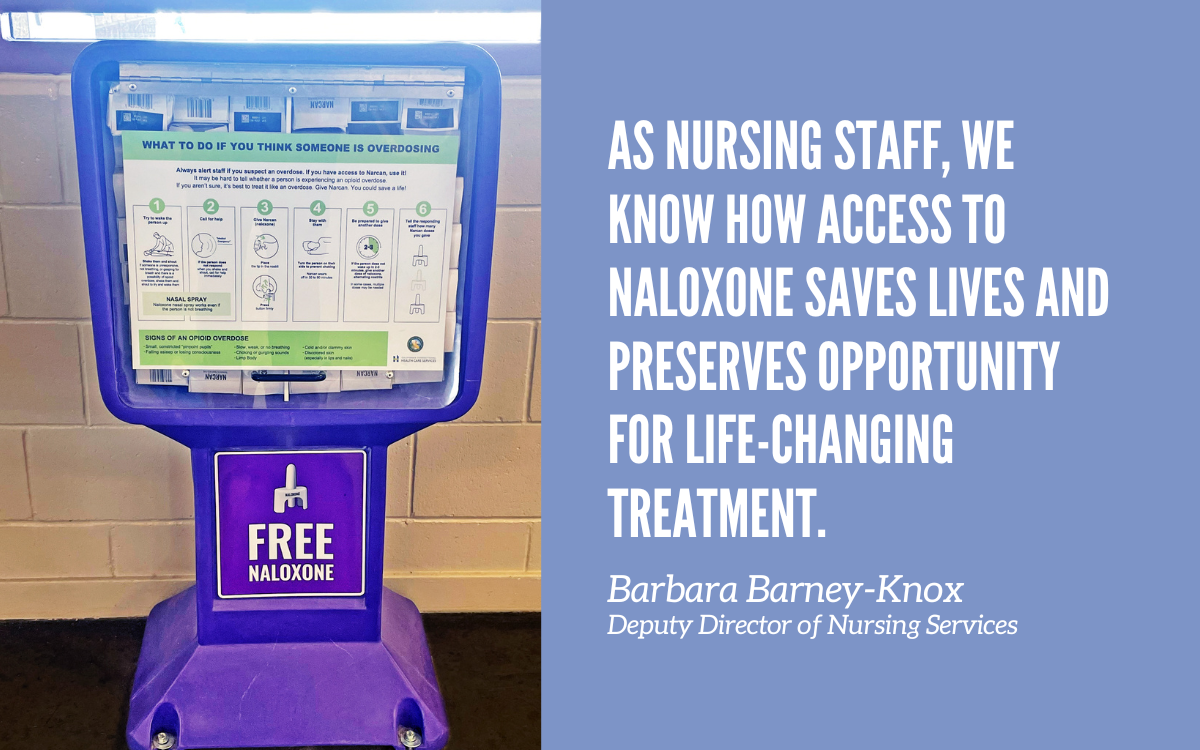
Life‑saving era: CDCR expands naloxone access
To decrease overdose deaths in California prisons, CDCR has expanded unprecedented access to naloxone. Commonly known by its brand name,…
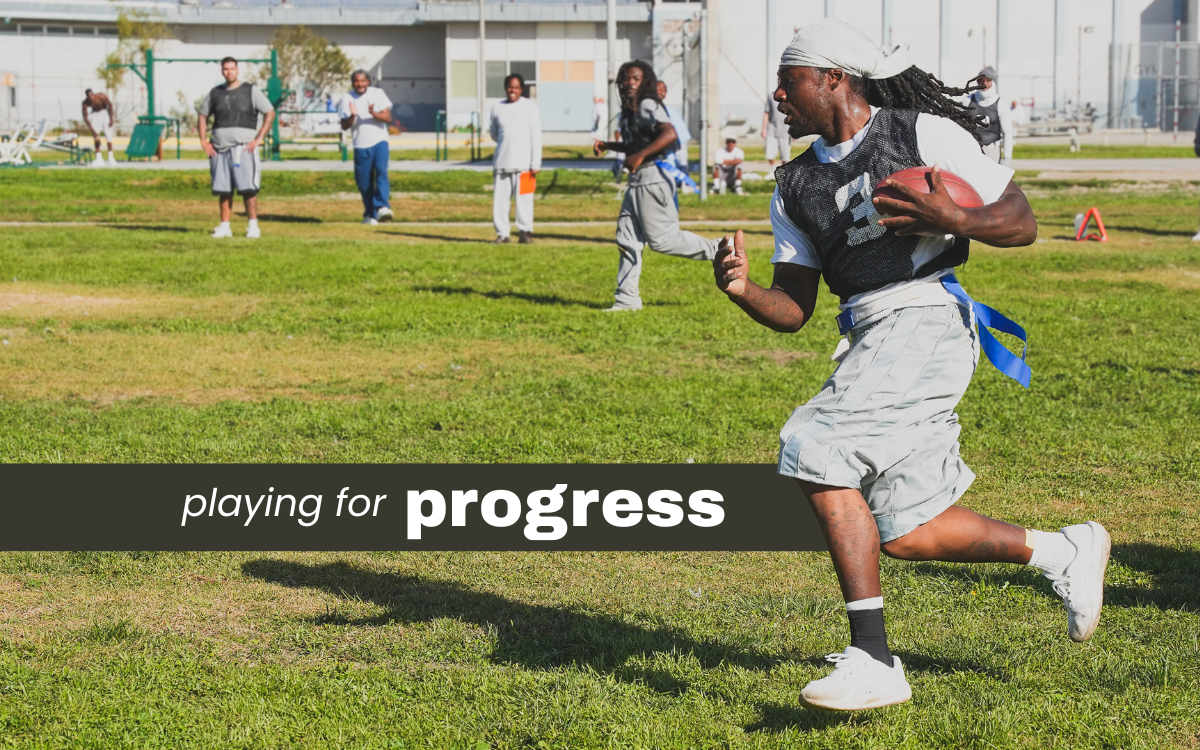
Watch: Bonding on the Field: CIM flag football
On a foggy Friday afternoon at California Institution for Men (CIM) in Chino, competition and camaraderie came together as players…
Centinela hosts Saints Prison Ministry softball
Saints Prison Ministry visited Centinela State Prison (CEN) to engage incarcerated persons on three facilities in friendly yet competitive softball…

Probation, education leaders tour VSP
Valley State Prison (VSP) recently welcomed probation and education leaders on tours to learn more about rehabilitation efforts. The two…
Vic Blends makes surprise visit to Valley State Prison
On a recent afternoon, the newly renovated Valley State Prison barbershop was buzzing with excitement, but students had no idea…
RJD hosts first Black History Month celebration
The first Black History Month Celebration was recently held at RJ Donovan Correctional Facility (RJD). The Feb. 27 program created…