

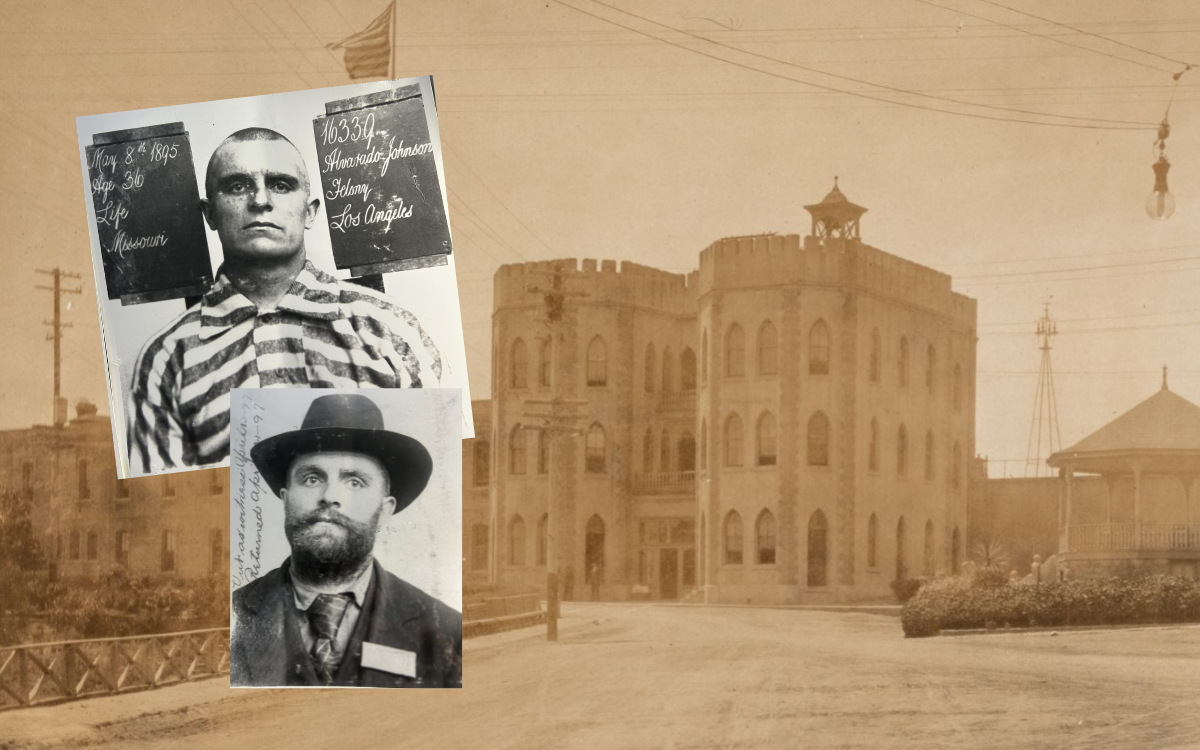
When Inside CDCR received a question regarding the identity of a man from the 1890s, we found the story of train robber Alva Johnson.
When two trains were robbed in Roscoe, authorities suspected ranchers in the area were complicit or at least had knowledge of the crimes. Detectives eventually found the culprits: Alvarado “Alva” Johnson and William Haven “Kid” Thompson.
Since 1950, Roscoe has been known as Sun Valley, a neighborhood in Los Angeles.
To learn more about the robberies, Inside CDCR found Johnson’s confession, printed in the Los Angeles Times, Dec. 13, 1894.
Read the first part of this two-part story.
From quiet rancher to train robber
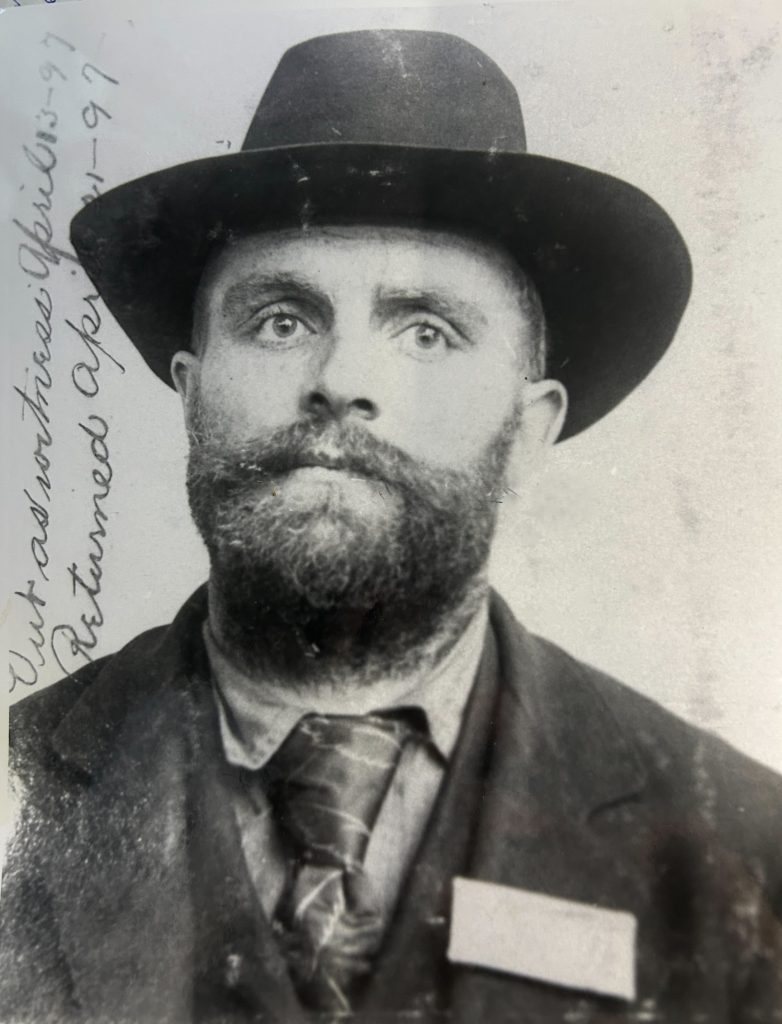
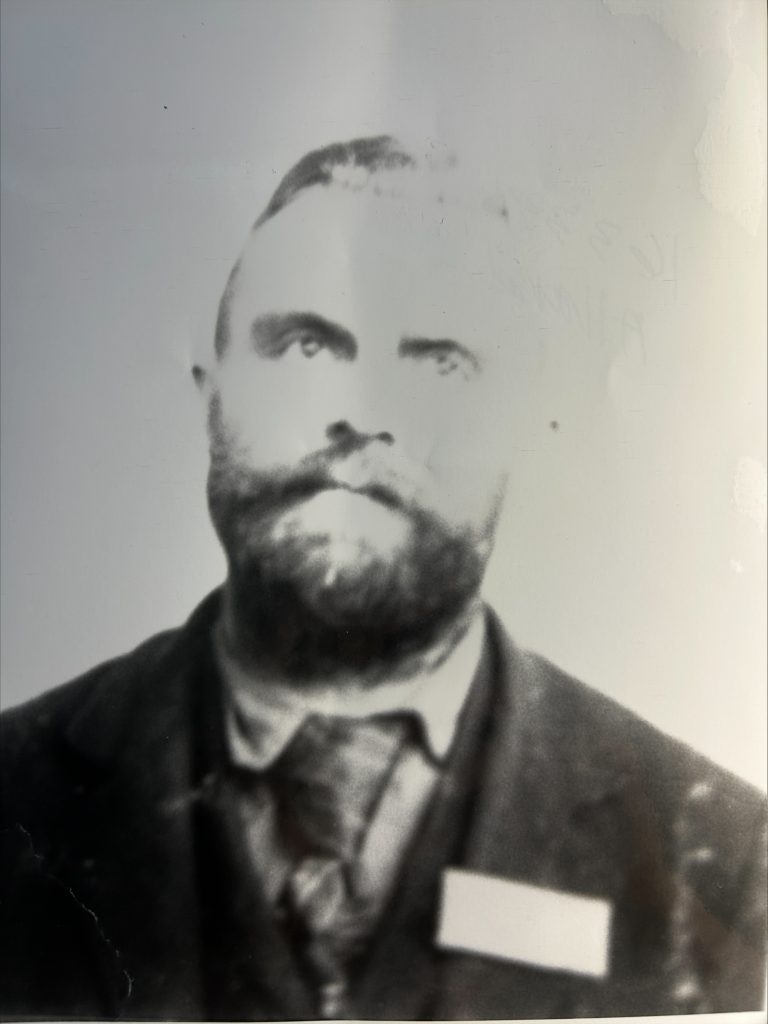
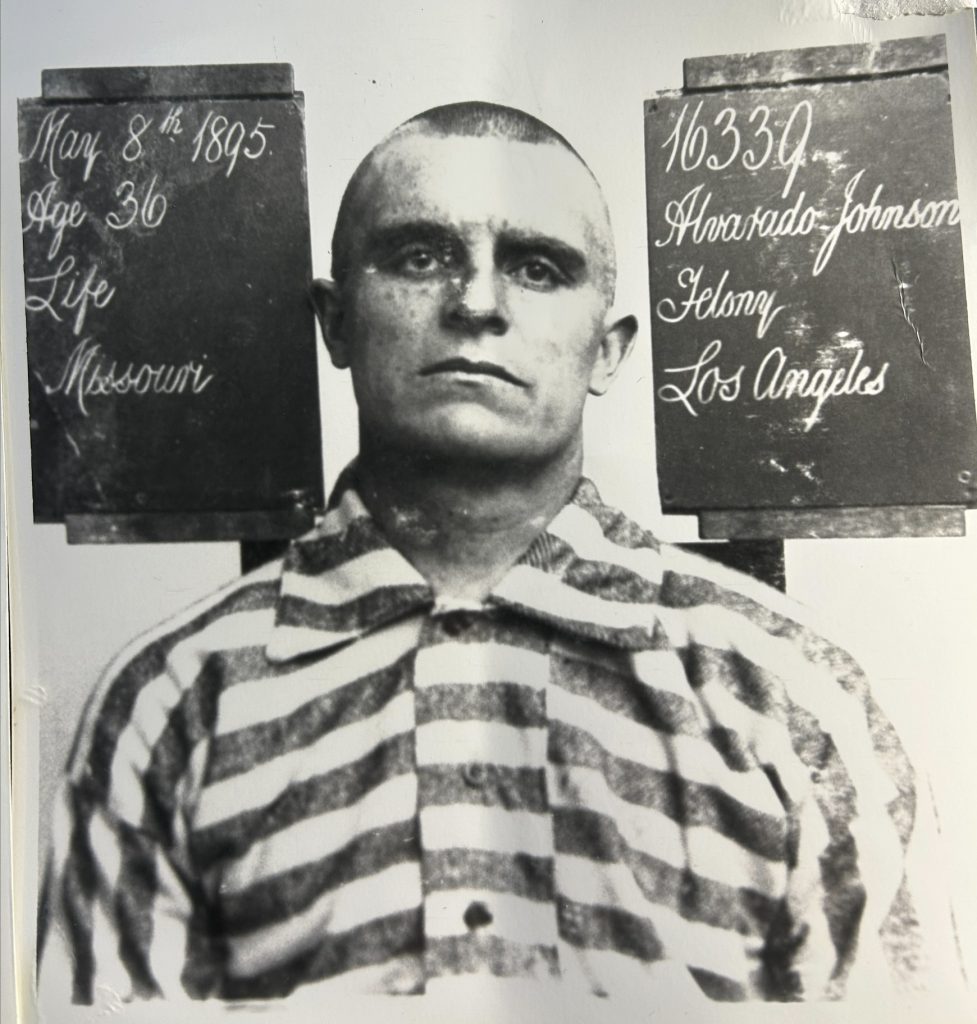
Photos of Alva Johnson, above, were sent to Inside CDCR to learn more about how he ended up in San Quentin.
Johnson, a rancher living in a Quaker community in Big Tujunga Canyon, led a quiet life until he met ex-convict Thompson. He soon found himself involved in planning and carrying out two train robberies. The pair met in October 1893, when Thomspon wandered into the corral seeking employment. Johnson hired him, unaware of Thompson’s criminal history. After about a month, the ex-convict saw an opening.
“After he had been working three or four weeks, he learned of my financial trouble and proposed we rob a bank at Pasadena. I (objected) to (this plan),” Johnson said.
Learning of Johnson’s dislike for the railroad company, Thompson used this information to plant seeds.
“He would read to me all about train robberies, a lot of dime-store novel stuff,” Johnson explained.
Eventually, Thompson proposed they rob a train.
“He (wanted to bring in) two other people, but I objected, (so we decided to) do it alone,” he said.
First robbery: December 1893
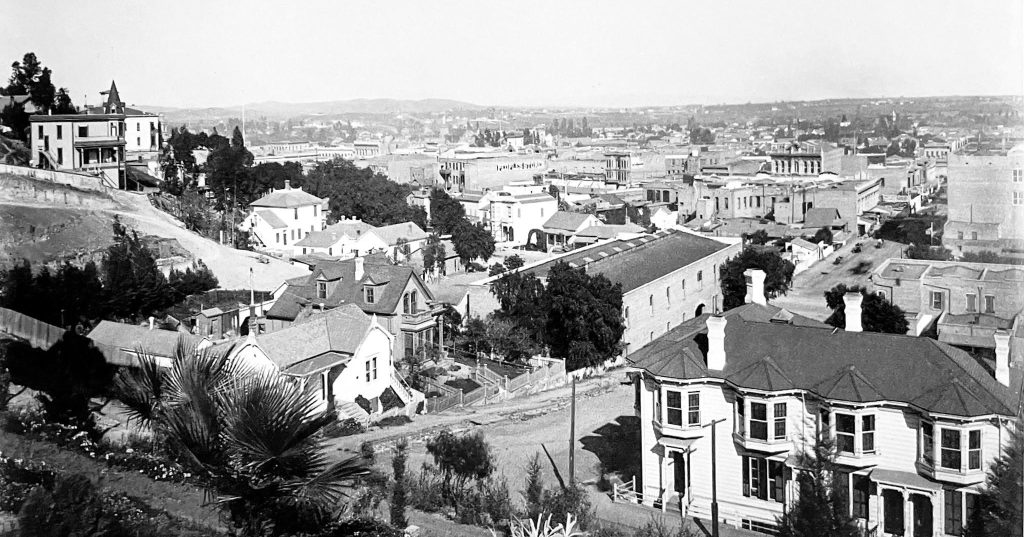
For days ahead of time, Thompson cased the Arcade Depot at Roscoe to observe “Wells Fargo’s business, particularly as to the shipping of money and other such things,” Johnson told authorities. Thompson soon started making crude bombs out of long tin cans filled with gun powder and long fuses.
On Dec. 23, 1893, the pair held up their first train. Thompson boarded the train at the station while Johnson waited down track. With two horses hitched to a tree near the train switch, Johnson lit a small fire, the signal to Thompson to stop the train.
“Thompson (then) crawled over the tender and (shot) at the engineer and fireman,” Johnson explained. “(In response) to his shots, I fired my Winchester (rifle).”
After the train stopped, Johnson boarded and the pair took the engineer and fireman back to the Wells Fargo car. Placing a bomb on the door and lighting the fuse, Thomspon ordered the messenger inside the car to open the door.
After the door opened and the fuse was snuffed out, the bandits, along with their two hostages, entered the car and began searching for valuables but there wasn’t much to be found.
“The messenger gave Thompson (the) money (from) the car (and then) we walked the messenger, engineer and fireman down the track some distance. After leaving them, (we) returned to our horses and rode into town, crossing the bridge at Buena Vista,” he explained.
Making sure no one was in the corral, they then proceeded to ride a few blocks before looping around to the corral.
“We got very little money in this robbery,” Johnson said. “Thompson said the messenger must have hidden it.”
According to reports, the pair nabbed only $150.
Second hold-up: February 1894
Feb. 15, 1894, was like any other day, at least the way Johnson described it. He rode a spring wagon into town, selling a crate of turkeys, and met his partner. Later in the evening, Thompson and Johnson left town, stopping at a bridge along the way, where they hid a crate, covering it with a piece of canvas.
When they arrived at the Roscoe rail switch, they waited until 11:30 p.m.
“When the train was about a quarter of a mile away, (we) broke the switch-lock and threw it away. I stood by the switch and signaled with a torch to the engineer to stop,” he said.
The train showed no signs of stopping so Thomspon fired and shot as a warning, but the engineer increased speed.
“See the train was going to dash by, (Thomspon) threw the switch and the wreck occurred. We then ran around the train and approached the engine. Thompson told me there was a man caught in the wreck,” Johnson said.
It was later learned two men lost their lives in the train wreck.
Johnson urged his partner to drop the plan and leave but Thompson refused. Instead, he placed a bomb on the express car, blowing a hole in it.
Coins and gold
Too small to crawl through, Thompson told the messenger to open the door. Once inside, the messenger opened the safes.
This time, they scored a much larger sum: $1,165 in Mexican coins and $45 in gold. They fled, placing the money in the hidden crate. Covering the crate with canvas, they then headed back into town.
To avoid suspicion, they leisurely rode around town for a bit, then headed back to his ranch. On a bridge, they were met by five well-armed officers.
“One of them grasped the horses by the bridles, while the others asked who we were and where we were going,” Johnson explained. “I was driving but had a pistol in my hand while Thompson had the Winchester rifle between his legs (under a lap blanket), cocked (and ready to fire).”
“I’m going to shoot (him),” Thomspon whispered under his breath. Johnson placed his hand on the rifle to prevent him from raising the weapon.
One of the officers, believing they were in a milk wagon, let them proceed.
“You can go on, but look out for train robbers,” the officer said.
As they crossed a river, they placed their hats and masks into a bag and threw them in.
Police search for clues
Johnson hid the money while Thompson left the area to stay with his parents until things died down.
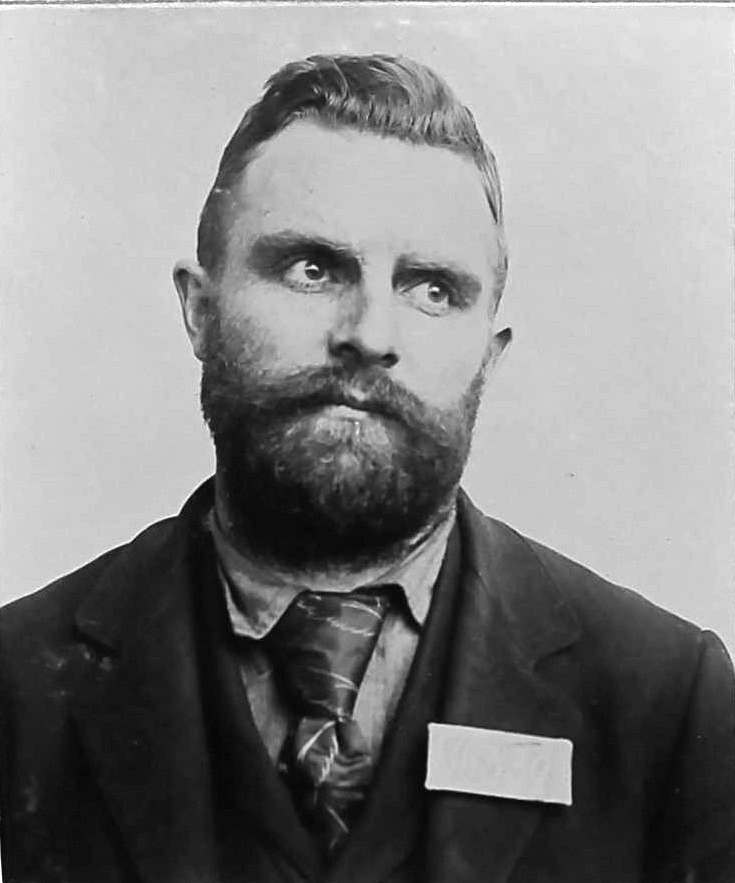
Meanwhile, Johnson was arrested. Without enough evidence, and a team of lawyers, he was released after the preliminary hearing.
Thompson, believing the heat had died down, returned to the ranch in August 1894, demanding his cut of $600.
“I told him it would be unsafe to give him the coin but if he would go to some other (place), I would send it to him,” Johnson said.
Receiving word to send the money to Tempe, Arizona, Johnson placed it in a box, slipped it into a sack and boarded a train to Pasadena. When he arrived in Pasadena, he shipped the box to Thompson.
Johnson drew a map to where he buried the money and handed it over to authorities.
“It is buried just beyond my honey house on the bank alongside of the road at the end of a flat rock,” he told police. “I was led into this trouble and have heretofore borne a good reputation. I did not know Thompson was an ex-convict until after the first robbery. He is a bad man.”
The money was found buried, exactly where he said it would be, totaling 584 “shining” Mexican coins.
Thompson was originally sentenced to the death. He was received at San Quentin, March 18, 1896, as number 16677. Later, under appeal, he was granted a new trial. This time, he was sentenced to life in prison, received April 24, 1897, at Folsom Prison as number 4077.
How they were caught
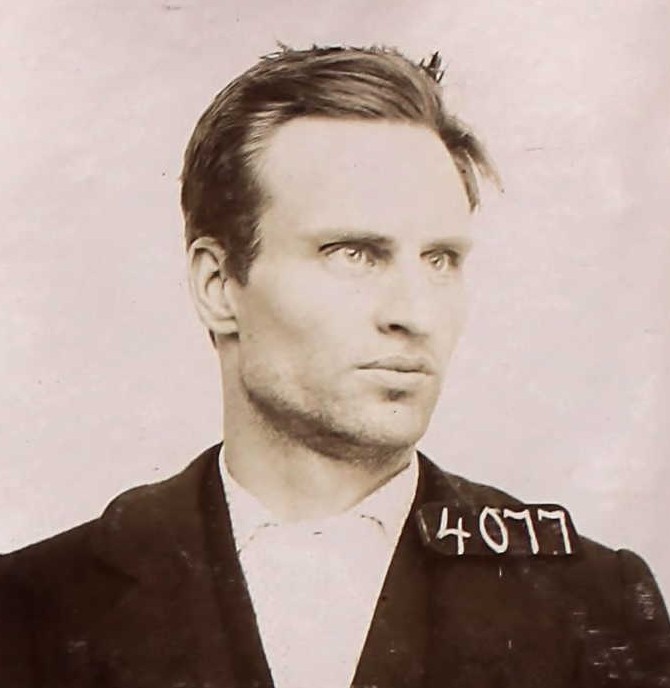
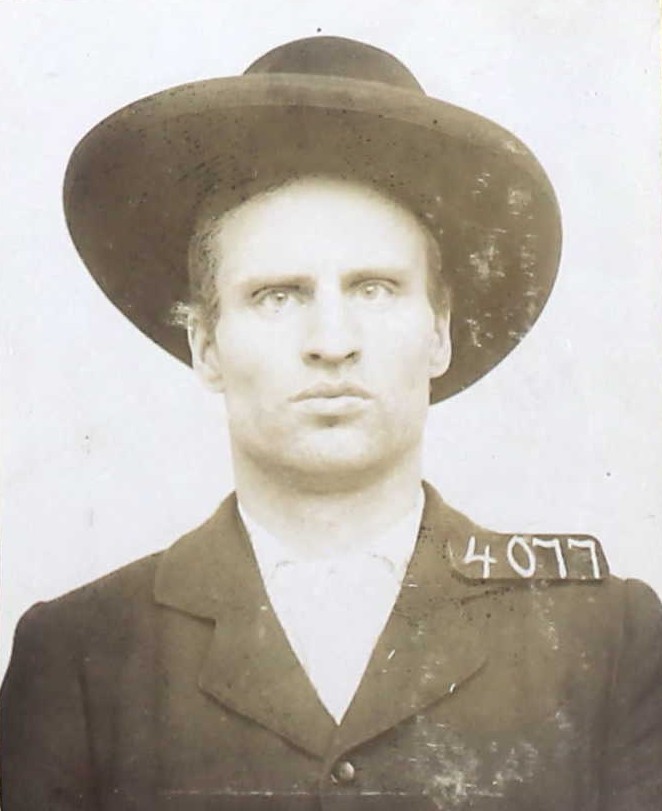
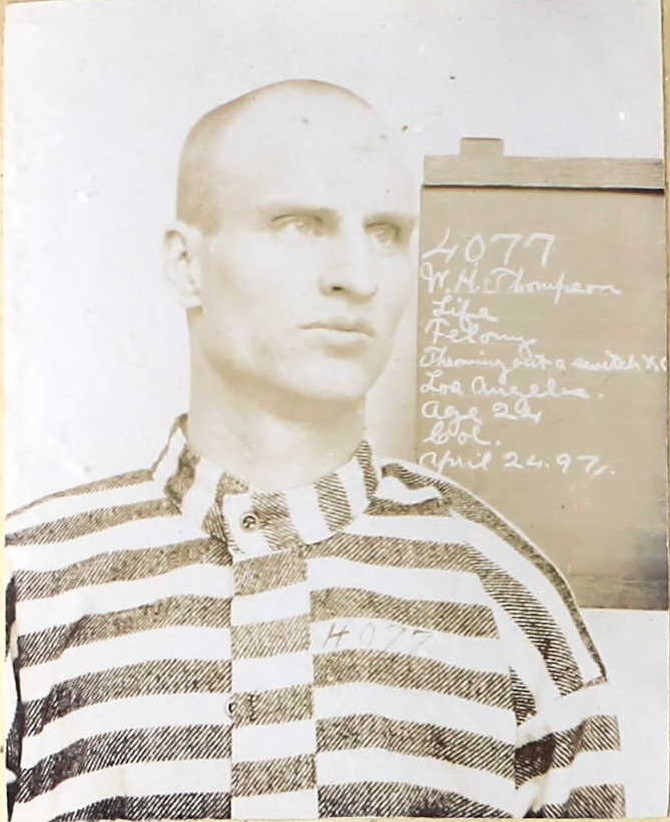

Thompson’s mugshots from Folsom State Prison and San Quentin.
When Thompson had been making his way to the ranch, he met a man named Etzler. Believing he might need help, he told Etzler about the robberies. Together they made their way to Arizona. When the Mexican coins were received, the men shared in the spoils.
After a short time, Etzler’s conscience weighed heavy and he went to the authorities, laying out the entire story. Thompson and Johnson were arrested and charged with the robberies.
Johnson was sentenced to life in prison at San Quentin but ended up agreeing to testify against Thompson after numerous appeals. In light of his eventual cooperation, he was paroled Oct. 21, 1907, and released from parole supervision in 1910.
Story by Don Chaddock, Inside CDCR editor
Follow CDCR on YouTube, Facebook, X (formerly Twitter).
Learn more about California prison history.
CDCR History
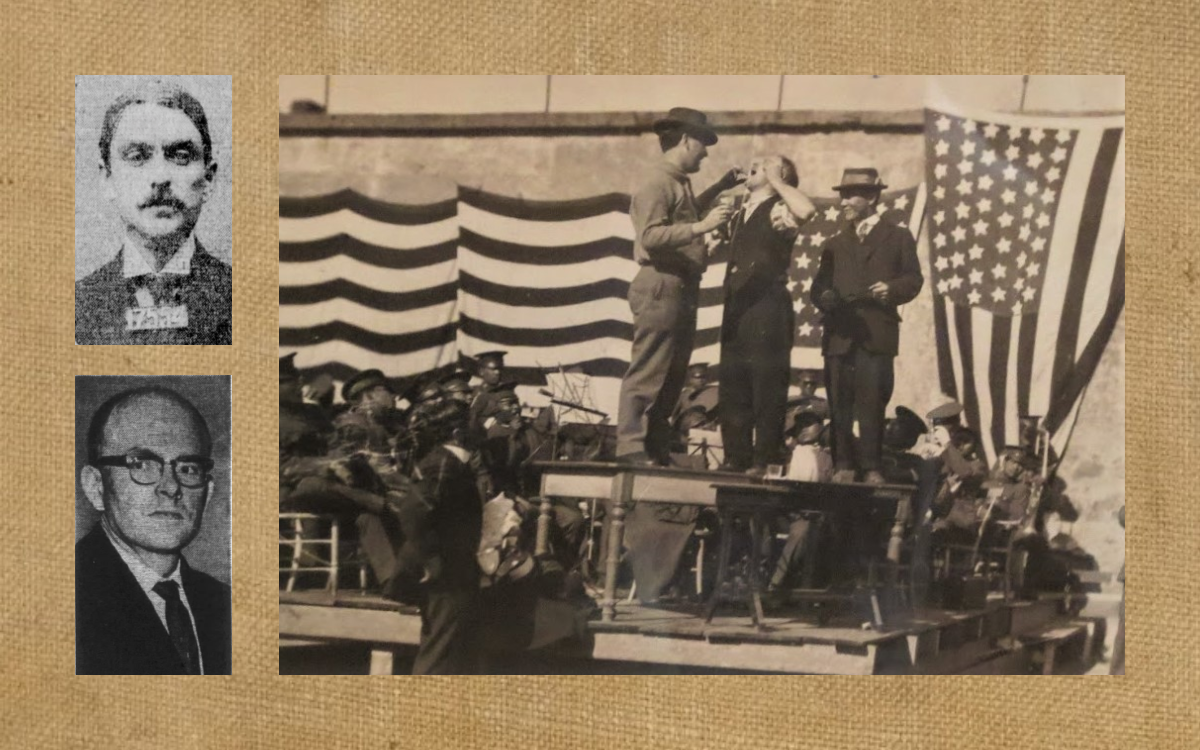
CDCR history requests come from families, writers, professors
Requests for CDCR history can come from a variety of sources. They range from family members tracking down a rumor…
Read More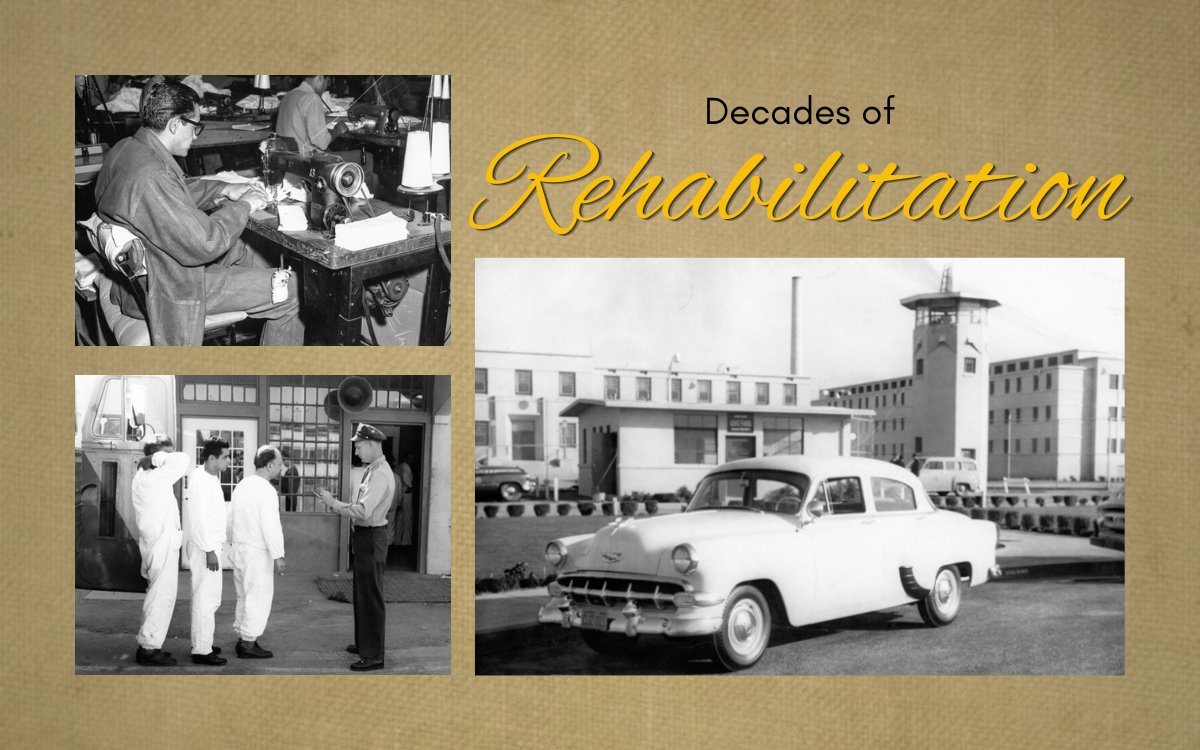
Explore 80 years of CTF‑Soledad’s history
Explore the history of the state’s fifth prison, the Correctional Training Facility (CTF) at Soledad. Activated in 1946, CTF was…
Read More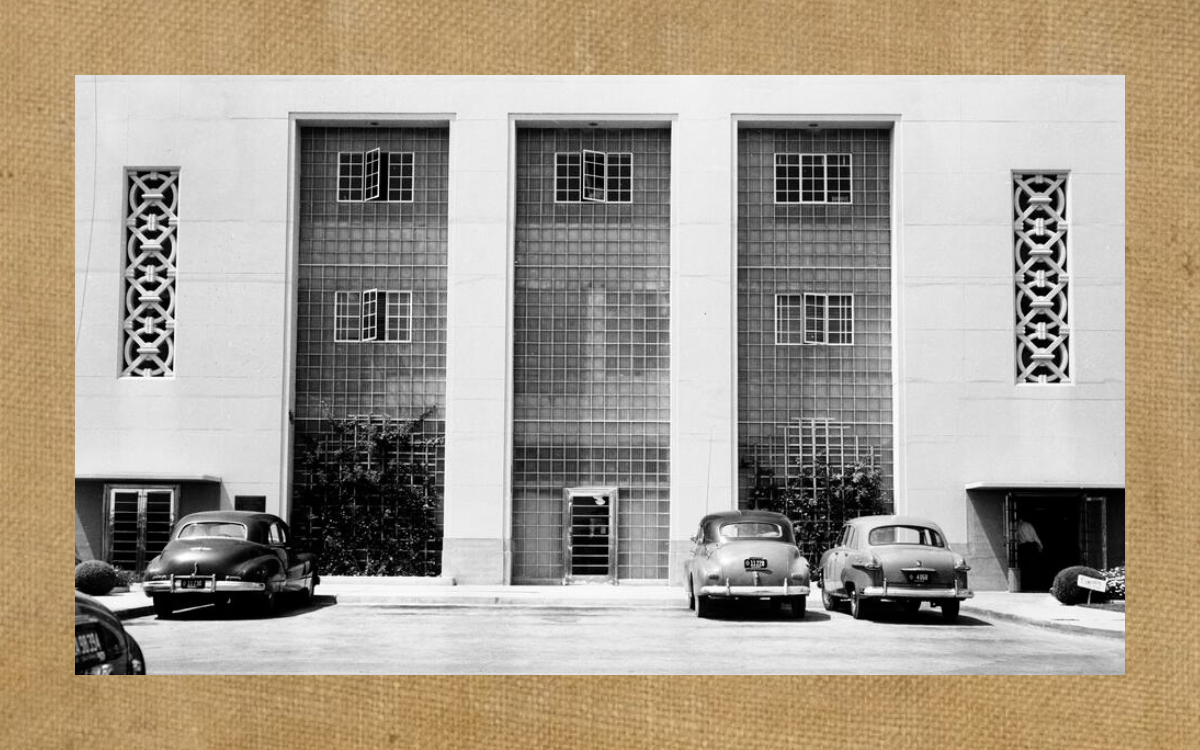
California Institution for Men marks 85 years of public safety
In 2026, California Institution for Men (CIM) is celebrating 85 years of public safety. The Chino institution, the fourth state…
Read More
History on display: Folsom Prison Big House Museum re‑opens
The Big House Museum at Folsom State Prison re-opened its doors to the public Saturday, July 25. The museum will…
Read More
History snapshot: Early parole officer urged youth diversion
In this installment of Unlocking History, we look more closely at early California state Parole Officer R.A. Lang. He originally…
Read More
Remembering Samuel Randolph, SQ Captain of the Yard
Like many in CDCR’s history, some staff go above and beyond the call of duty with one example being San…
Read More