

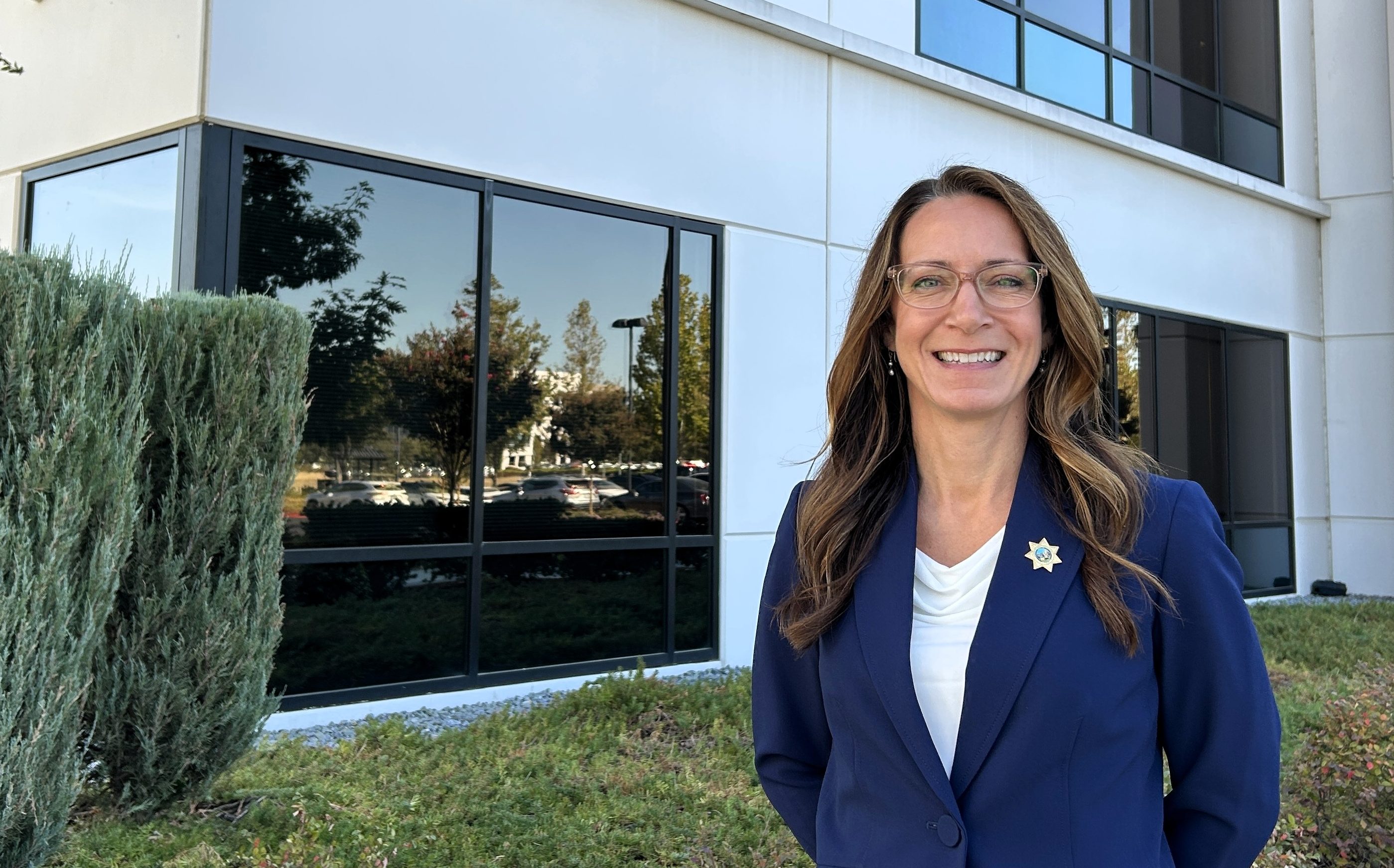
Jennifer Barretto has committed nearly 30 years to public service in California, contributing to the success of corrections and rehabilitation.
She began her career in 1996 as a student assistant with the Department of Health Services. In April 1997, she was appointed to her first civil service position as a word processing technician with CDCR while earning her associate’s degree from Sierra College and completing her bachelor’s degree from California State University, Sacramento, in 2001.
From 1998 to 2006, she advanced through a series of analytical and supervisory positions—including office technician, staff services analyst, associate governmental program analyst and staff services manager—supporting the Classification Services Unit, Statewide Transportation Unit and Program Support Unit. In 2006, she promoted to California State Prison, Sacramento, as a correctional business manager and associate warden soon after. From 2010 to 2012, she served as an associate warden in the High Security Mission.
Between 2012 and 2014, she served as the associate director and acting deputy director for Human Resources, after which she returned to the California State Prison, Sacramento, as an associate warden in 2014. From 2015 to 2017, she served as chief deputy warden and acting warden of the California Health Care Facility, Stockton, and chief deputy warden for the Contract Beds Unit.
In 2017, she became the assistant deputy director over Facility Support within the Division of Adult Institutions, later serving as deputy director in 2019. She joined California Correctional Health Care Services in March 2020 as director of Health Care Policy and Administration before receiving her final appointment as Undersecretary of Administration in October 2020.
Inside CDCR caught up with Barretto to discuss her career, the department’s evolution and advice she has for others looking to promote.
Q&A with Undersecretary Jennifer Barretto
Looking back on two decades of service, what are two of your proudest accomplishments?
Being part of various teams in endeavors that have transformed the department. I have been fortunate to be involved in a great number of such challenging-yet-rewarding experiences such as implementing Business Information System (BIS) supply chain for the institutions. Similarly, with the transition from the legacy computer system to TeleStaff for shift scheduling and pay of posted positions. While there were other key projects, these two were instrumental in leveraging technology to move the department to modern business processes.
How have you seen the department change since you started?
CDCR has dramatically changed. When I started, the prison expansion of 13 new prisons had just completed. As the prison population was rapidly increasing, Kern Valley State Prison was added in 2006, yet the population continued to grow.
With severe overcrowding came the conversion of gyms and dayrooms to housing. Triple bunks were deployed and ultimately California City Correctional Facility was activated. Meanwhile, 10,000 were housed in out-of-state contracts. At the same time, the state experienced the great recession. With budget reductions, all inmate programs were eliminated including education. There were also numerous staffing cuts and staff training was nearly eliminated. Ultimately, as the state’s economic landscape improved, the department shifted the mission to rehabilitation. The shift came in part with public safety realignment and the three-judge panel capping the prison overcrowding. (These contributed to) moving away from the conditions of extreme overcrowding and back to rehabilitation, employee wellness, staff development and training.
Barretto: ‘Develop positive professional relationships’
What advice do you have for someone looking to promote in the department?
The opportunities are endless in CDCR and state government. It starts with personal drive, integrity and having a can-do approach. As the saying goes, each day is an interview and a reference check so how you present yourself is important. Look beyond the typical promotional path. Self-educate and build relationships with staff of all disciplines and experiences to determine areas you may be interested in working. Consider lateral transfers including across disciplines to gain new perspective and experience, as I did. If there is something that interests you, volunteer to be part of projects, express interest in cross training, job shadowing which may mean on your own time, and submit interest in acting or out-of-class assignments.
For someone unfamiliar with correctional work, what is something they might find surprising?
Prisons are like small cities, encompassing all the professional disciplines you would find in a city. Every staff person is critically important to the overall success of the mission. The shared complex public safety mission encourages an extended family dynamic.
Barretto on mentors, memories
Have you had any mentors?
I have been fortunate to have several mentors throughout my career with many of them being female leaders in CDCR. Each supported me with different knowledge and experiences and investing in my personal and professional growth. Some were for a season, and some have been for a lifetime.
How do you balance work with life? Do you have any hobbies?
It has been a demanding and complex career, providing the means for enjoying life. Work to live, as the saying goes. Making time to recharge and refresh is essential to be at our personal and professional best.
I am grateful for a mentor who shared early in my career the importance of work-life balance. To always treat my family as more important than the most important meeting at work. With many of the positions I held, this was not always easy and at times not possible. However, by having this mindset of my family being most important, I was able to prioritize what matters the most. Such as attending my sons’ school and sporting events while taking time off for vacations and adventures. With retirement, I look forward to spending more time and enjoying more of my hobbies and interests. I plan to make time with family and friends, outdoor activities, travel adventures and to simply relax with books and movies.
Looking forward and looking back
What do you look forward to in retirement?
I am looking forward to moving away from a schedule where every moment is filled with obligation and stepping into a new chapter. One where I can tend to everyday life while still leaving room to embrace the simple wonders, moments and experiences that come my way.
What are some of your fondest memories of your time with the department?
The many relationships I have built with colleagues over the years. Celebrating the many successes we have accomplished.
Is there anything else you would you like to add?
My heartfelt gratitude for the amazingly dedicated staff for all they do as public servants.
Follow CDCR on YouTube, Facebook, X (formerly Twitter).
See more stories highlighting CDCR/CCHCS staff.
Related content
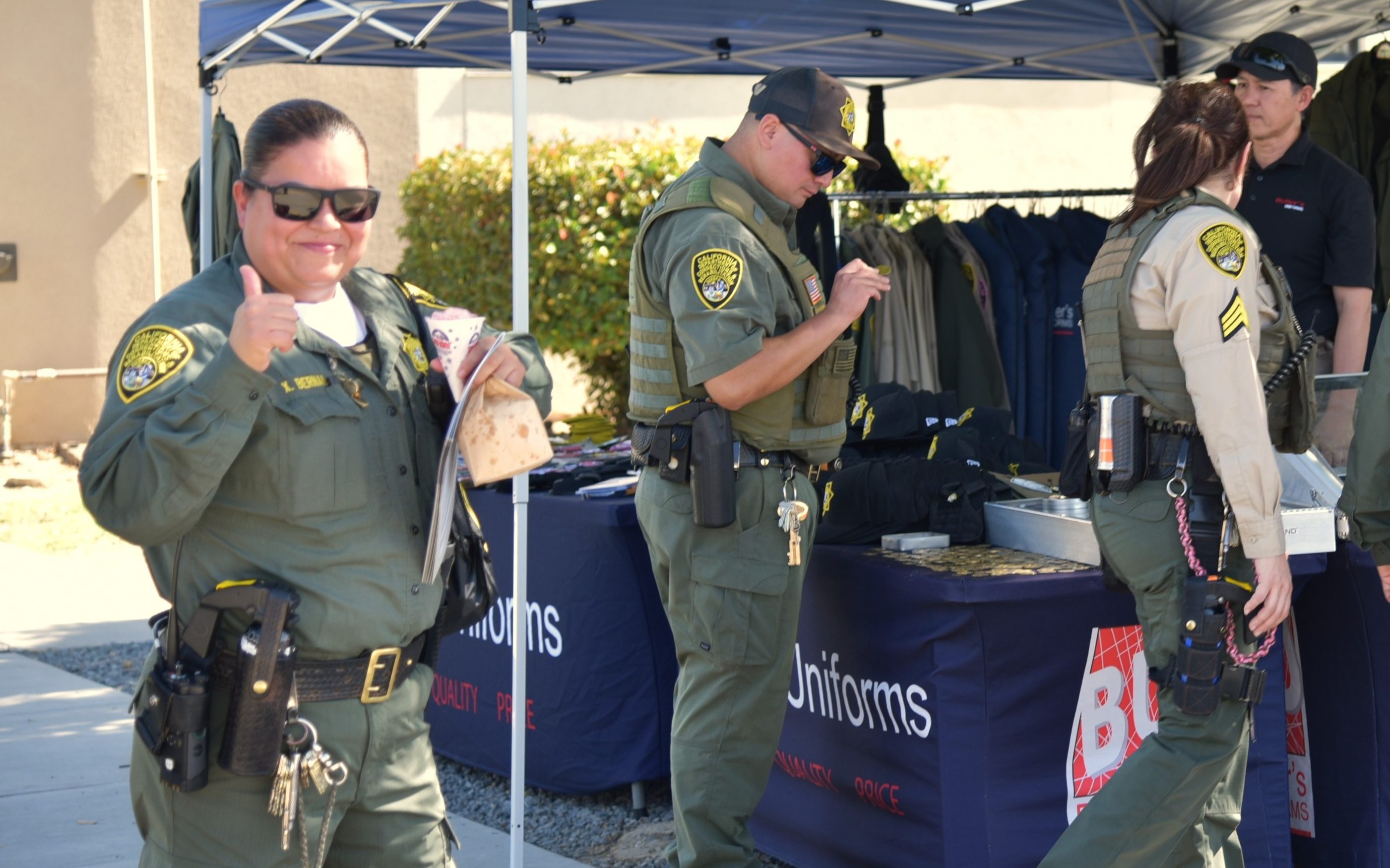
Avenal hosts staff health fair
Avenal State Prison (ASP) recently hosted a staff health fair bringing employees together to explore valuable resources and connect with…
Read More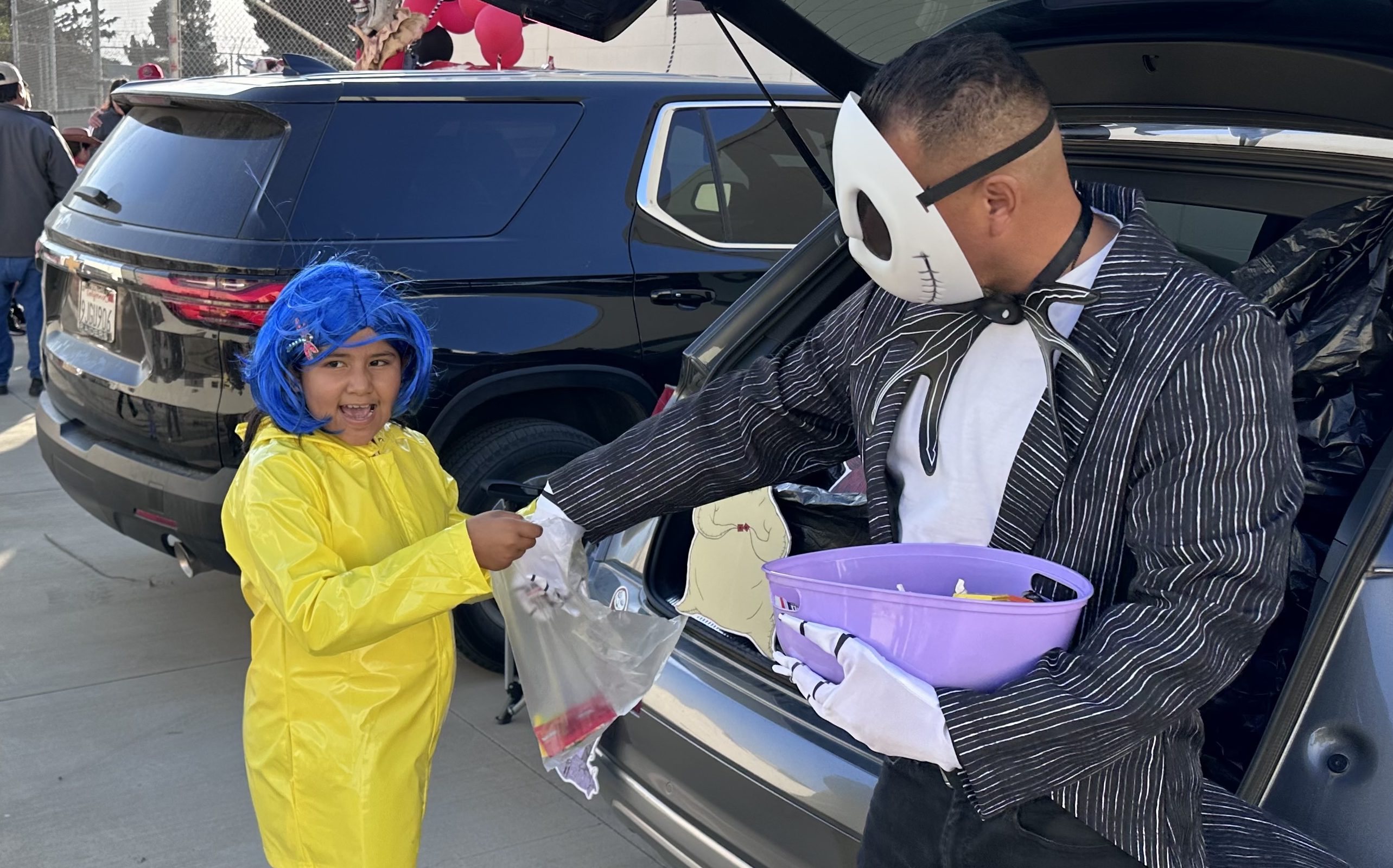
Staff enjoy Halloween, harvest events
Across the state every October, CDCR and CCHCS host Halloween and harvest events for staff and their families. This round-up…
Read More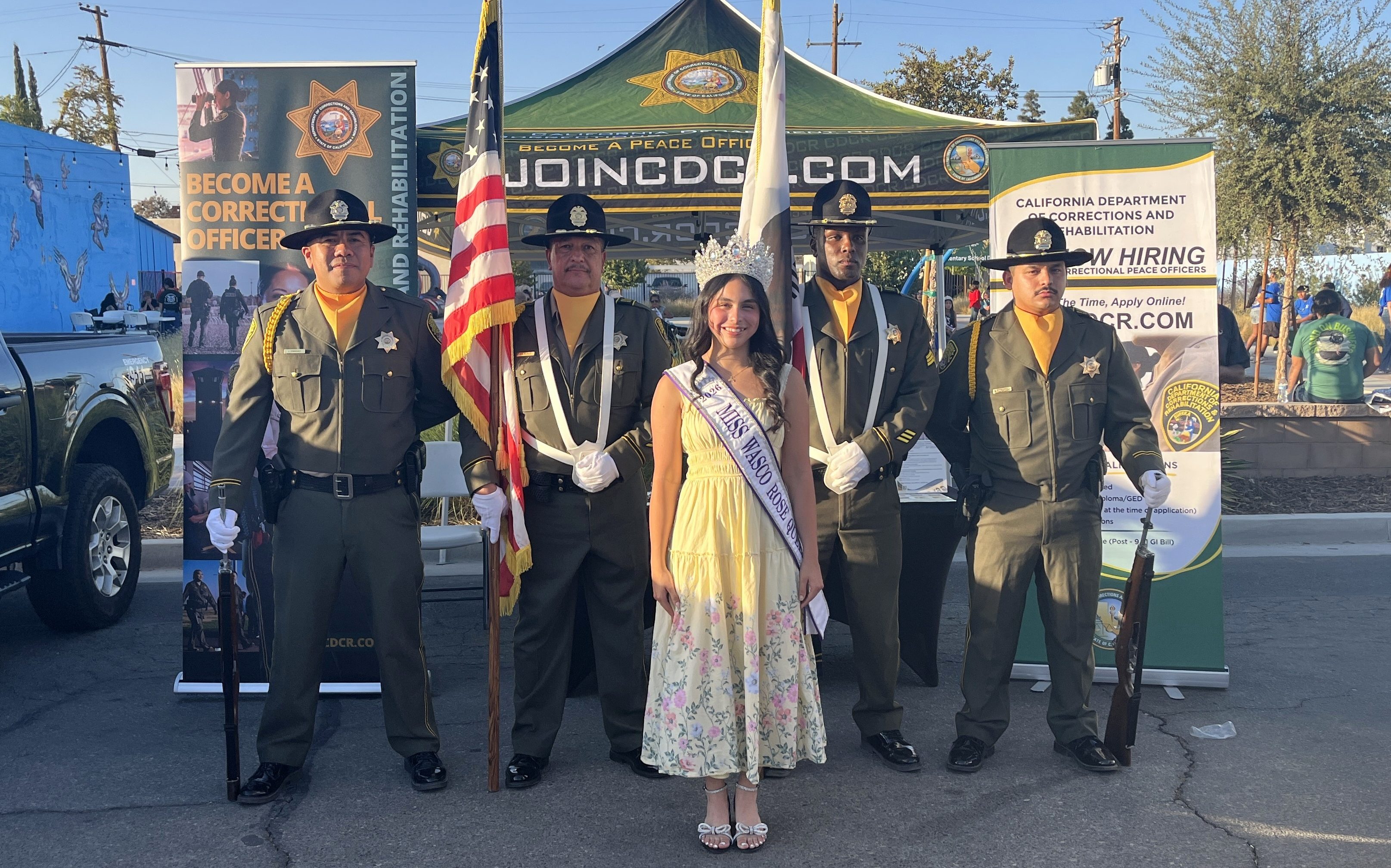
WSP‑RC staff get into fall National Night Out
Wasco State Prison-Reception Center (WSP-RC) Honor Guard and recruitment staff took part in a fall National Night Out. Hosted by…
Read More