

Augustine Berryessa, a petty crook whose life story ended at Folsom State Prison in 1905, is the subject of the first installment of this year’s Cemetery Tales. Like other subjects in the series, his name was randomly selected from the prison’s cemetery list.
With a name and date of death, we started digging into Berryessa’s story.
Petty criminal ends up in Folsom
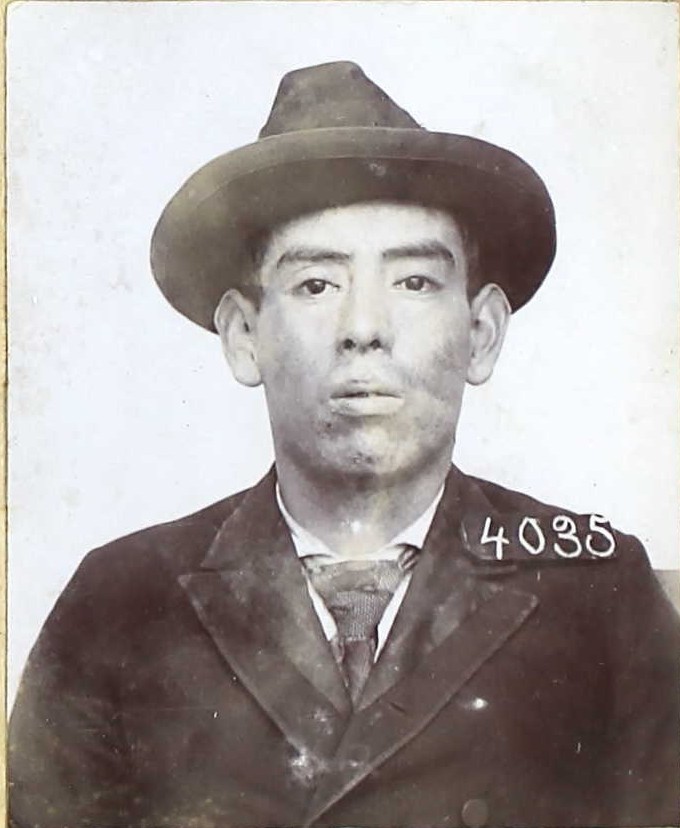
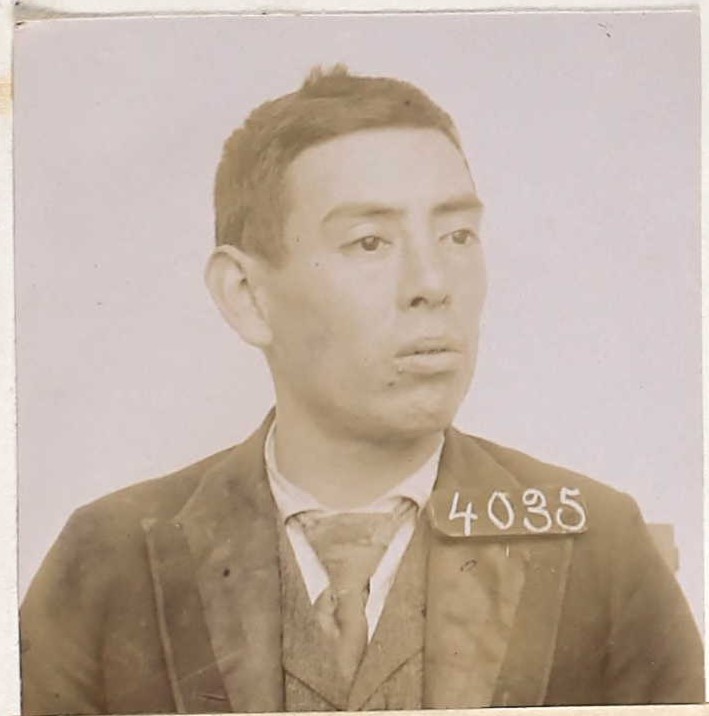
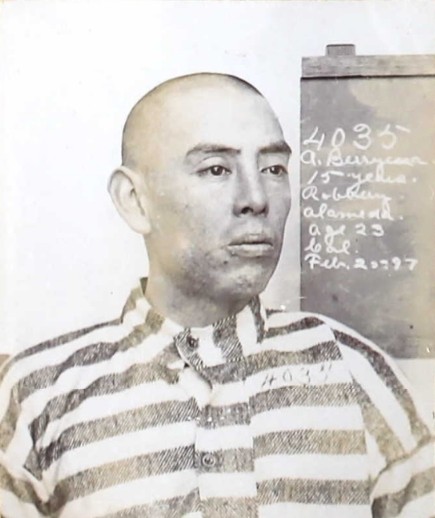
This one took some extra research as there wasn’t much information available on Berryessa. He is listed in the 1880 census as a 9-year-old boy living in Oakland with Javier Higuera, a 52-year-old farmer, and his 46-year-old wife. While her first name was illegible, her last name was also Higuera.
According to newspaper accounts, Berryessa was a petty criminal with a habit of relieving others of their property.
Before landing in state prison, he was convicted of stealing a silver watch, earning him a short stint in the county jail, according to the Oakland Morning Times, March 21, 1887. He would have been about 15 years old at the time.
Berryessa, at age 24, registered to vote June 19, 1896. The registration document indicates he resided at Warms Springs and could read, write and fill out a ballot without assistance.
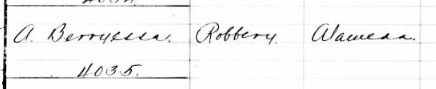
From prison records, we know 25-year-old Berryessa was sent to Folsom State Prison in 1897 on a 15-year sentence for robbery. He was received Feb. 25 from Alameda County and assigned number 4035.
In September 1896, just a few months after registering to vote, he stole $8.75 along with a shirt and pair of pants worth $1.50. It’s the equivalent of about $400 today. His victim was an inebriated farm hand named James Clark.

“Near Warm Springs, Sept. 20, 1896, Clark was under the influence of liquor when Berryessa robbed him and left him lying all night under a tree,” reported the Oakland Enquirer, Feb. 24, 1897. “The next morning, Clark came into town and reported he had been robbed. Berryessa was the last man seen in his company.”
Was victim knocked down?
There is some question regarding whether Clark simply passed out under a tree or if Berryessa was more involved in Clark finding himself snoozing under the stars.
Some newspaper accounts claim Berryessa “knocked down” Clark, then robbed him after he was on the ground.
Another news report goes into a little more detail.
“The evidence showed the two men had been drinking together and when they left the saloon, Clark was drunk. He was next seen the following morning, his face brutally battered and his money, a some of his clothing, was missing,” reported the Oakland Tribune, Feb. 24, 1897. “The crime was traced to Berryessa. The prison hardly expected so severe a sentence. When it was pronounced, he showed no change of countenance, maintaining as he did throughout the trial, a stoical indifference.”
While there aren’t any details regarding the reasoning behind his 15-year sentence, the judge probably considered Berryessa’s prior petty thievery, recognizing this one as an escalation. If he was knocked down in the course of the crime, this could have also weighed into the judge’s sentencing decision.

Berryessa was a California native and worked as a “laborer,” according to prison records. His life ended in the prison hospital June 27, 1905, but no cause of death is listed.
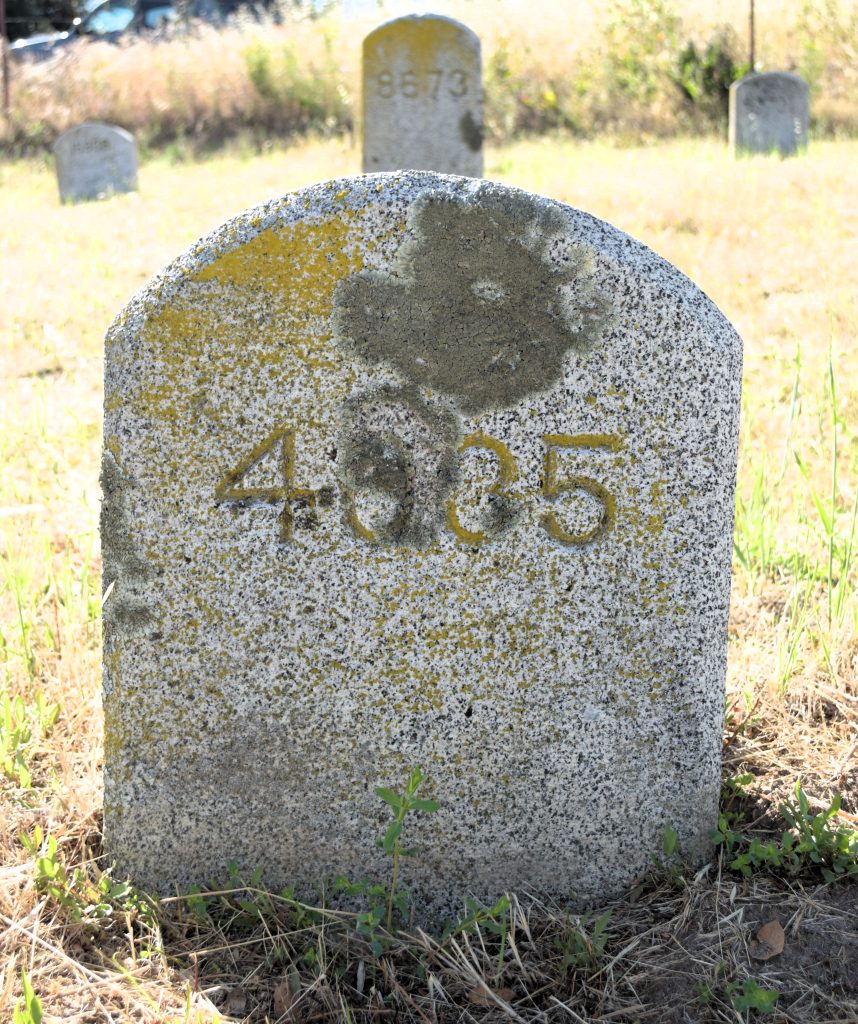
He was approximately 33 years old. With his body unclaimed, he was buried in the prison cemetery.
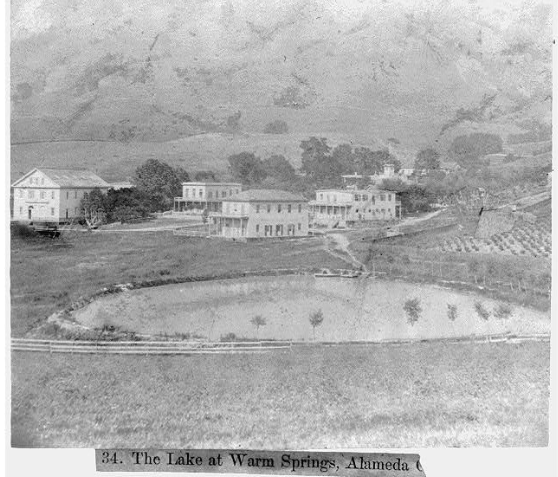
Today, Warm Springs is the name of a neighborhood, boulevard and park near Fremont.
Story by Don Chaddock, Inside CDCR editor
Follow CDCR on YouTube, Facebook, X (formerly Twitter).
Learn more about California prison history.
Cemetery Tales
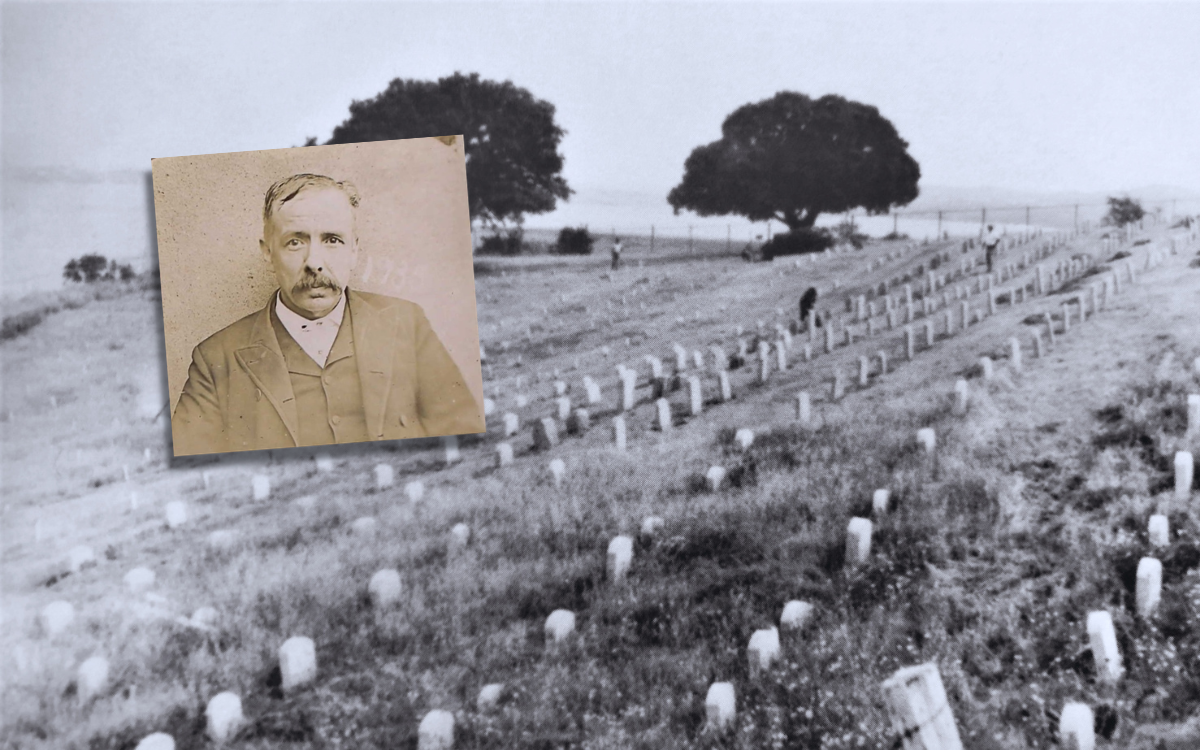
Cemetery Tales: William Clark, alias Sacramento Bill
The third installment of the 2026 Cemetery Tales takes a closer look at William Clark, alias Sacramento Bill. He was…
Read More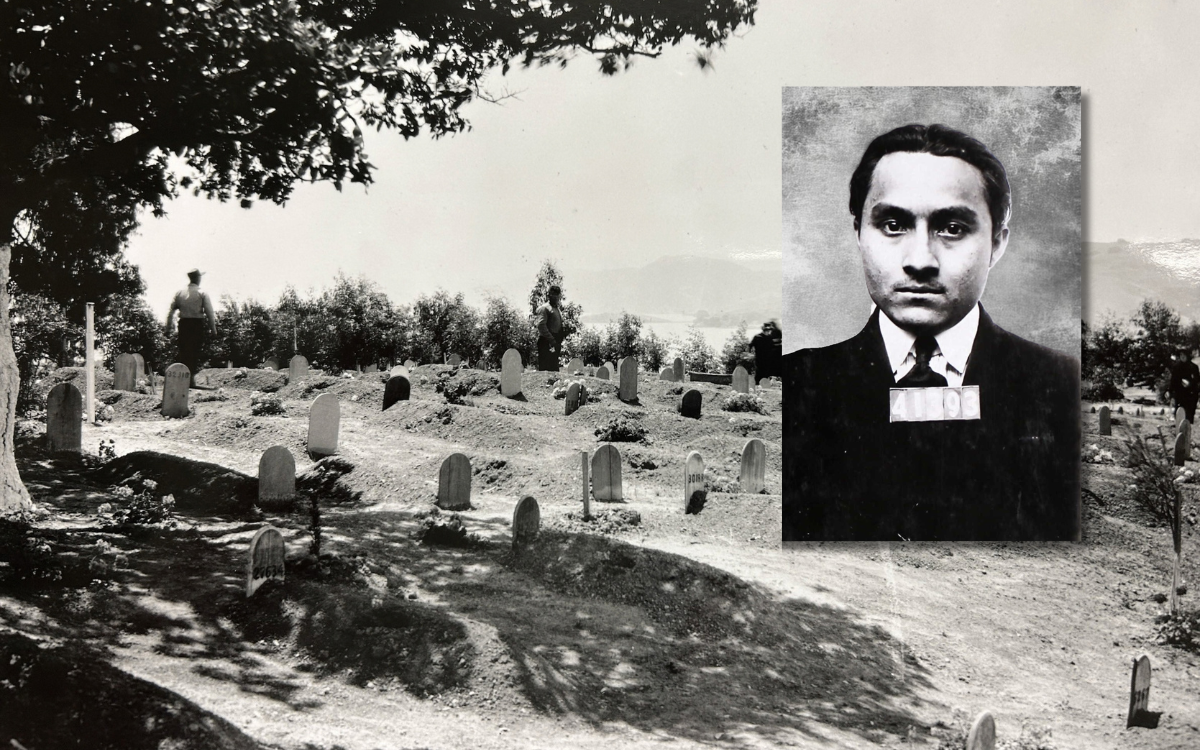
Cemetery Tales: Miguel Bravo meets end at SQ
The second installment of Cemetery Tales looks at Miguel Bravo, a 23-year-old who ended up in San Quentin in 1925.…
Read More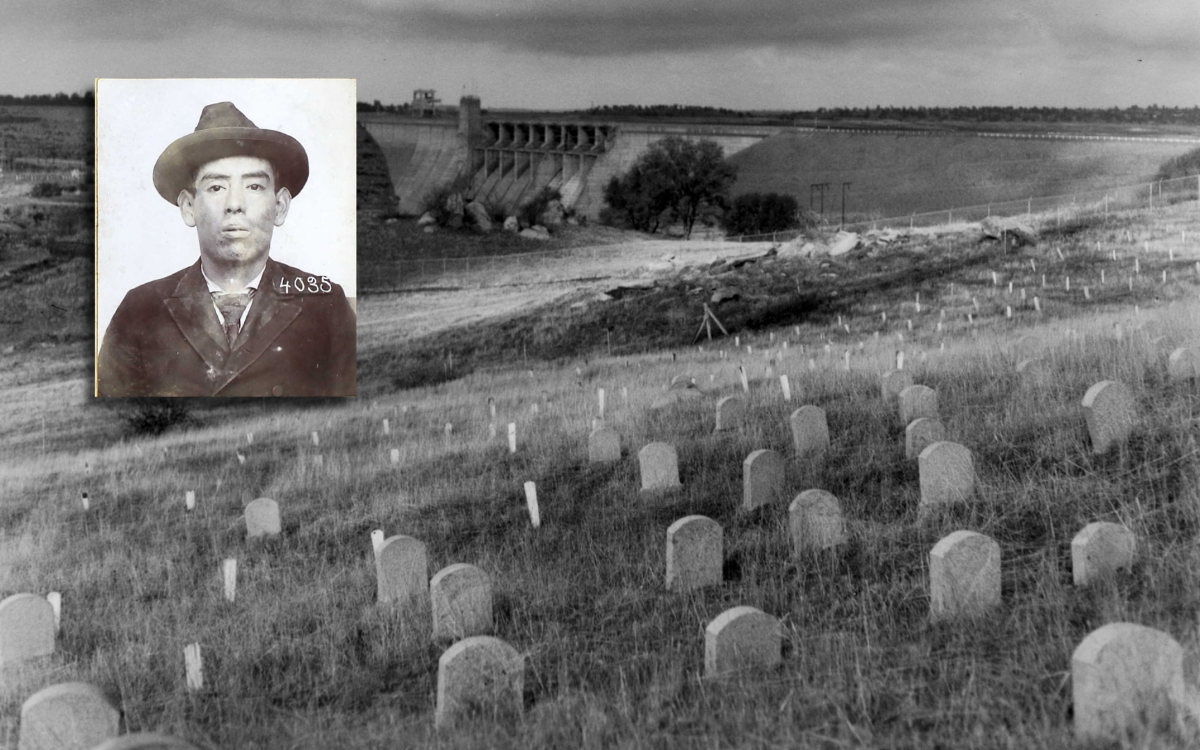
Cemetery Tales: Meet Augustine Berryessa
Augustine Berryessa, a petty crook whose life story ended at Folsom State Prison in 1905, is the subject of the…
Read More