

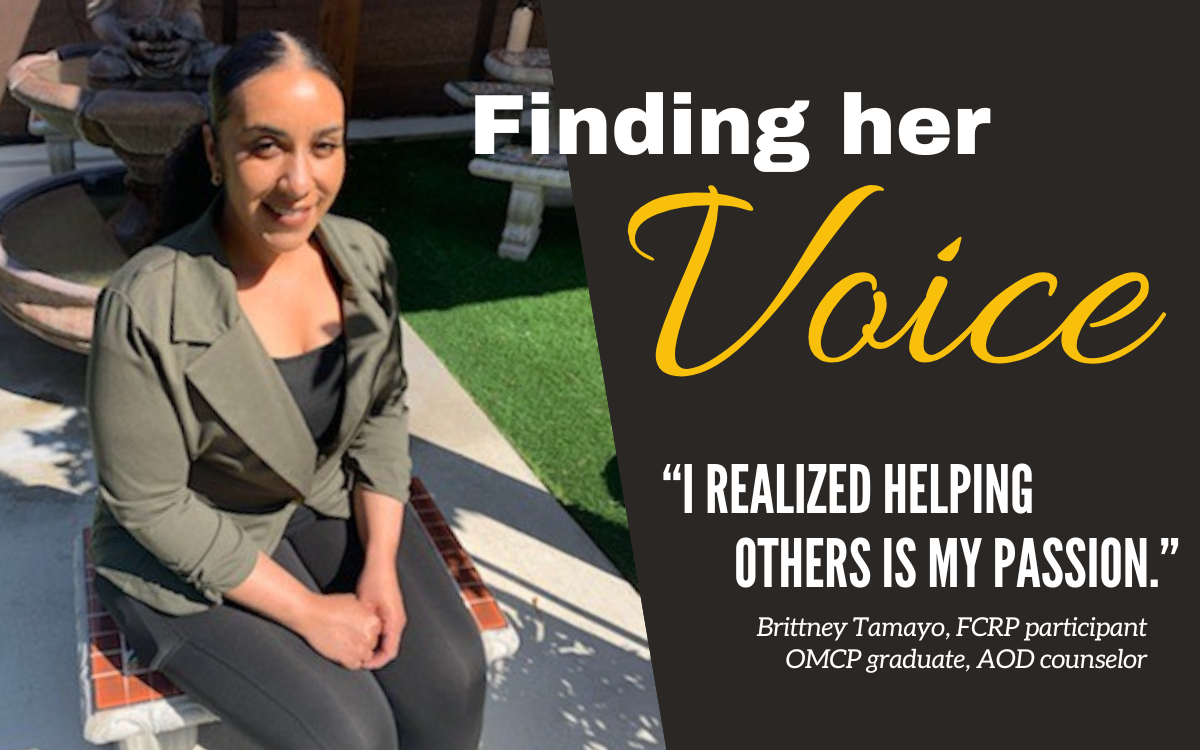
In helping others, Brittney Tamayo found her voice.
For years during her incarceration, Tamayo was quiet and insecure. “I was just kind of flying under the radar,” she said.
When she had an opportunity to apply for the Occupational Mentor Certification Program (OMCP) at the Central California Women’s Facility in 2019, Tamayo was doubtful about being accepted.
OMCP is a rigorous program that trains eligible long-term incarcerated individuals to become certified Alcohol and Other Drug (AOD) counselors. Participants are carefully selected based on their disciplinary record, programming history, and commitment to personal growth.
“When I got accepted, was I ready? Not at all,” Tamayo said. “But little by little, I started to open up, just speaking from the heart.”
Now Tamayo is in the community working as a certified AOD counselor while serving the remainder of her sentence at the Female Community Reentry Program (FCRP) in Los Angeles.
Brittney Tamayo is embracing growth
When Tamayo applied for the OMCP, she was looking to get out of another program she said wasn’t a good fit. “My initial reason for signing up wasn’t because I wanted to work in the field. But, as I started working it and becoming more comfortable, I realized helping others is my passion,” she said.
Tamayo, who has struggled with addiction, gradually embraced the program. “Going through the substance abuse process, going through OMCP, I have blossomed into the person I am today, the person I think I was supposed to be,” she said.
As she began participating in groups, she became more vocal. “I feel like I represent people who think they have no voice, people who don’t speak because they feel like what they have to say doesn’t matter or sounds dumb,” she said. “When I’m feeling a certain way and I hold on to it, I’m giving it power. But when I’m able to speak on it and let it out, I’m taking my power back.”
After more than 600 hours of coursework, hands-on practicum, and a state-recognized exam, Tamayo earned her certification. Then, she began serving as a co-facilitator in Cognitive Behavioral Intervention groups.
Transitioning into the community
Tamayo said she initially faced challenges when she was transferred to the FCRP. The FCRPs allow participants to complete the remainder of their sentences in a community-based facility to better prepare for their transition into the community. After being incarcerated for 10 years, “a lot has changed since I’ve been out here.”
She also had to deal with the stigma of wearing an ankle monitor. She said she felt different from people on the outside, and it initially kept her from applying for certain jobs. “I had that constant battle with self-doubt, that they’re not going to want to hire me.”
Tamayo overcame her hesitation and began applying for positions in her chosen field. She was soon hired as an addiction counselor at Social Model Recovery Systems, a non-profit organization providing direct treatment services in Los Angeles County.
As a participant at the FCRP, she acknowledges there are strict rules, but it is an “amazing opportunity. It’s on us whether we want to take advantage of that.” She notes the higher success rate of incarcerated people who transition to CDCR’s community reentry programs compared to those who just walk out of the prison gates. “Why not come here and really transition into society?”
Looking ahead
With her parole date on the horizon, Tamayo said she is excited to earn more opportunities to be in the community. She hopes to make it into the next phase of FCRP, which provides participants 26 hour-passes per month. At the top of her wish list is visiting the Balloon Museum and going out for a nice dinner by herself, and “just really enjoy that freedom.”
She also looks forward to continuing the work she began in the OMCP.
“You’re there to plant a seed, and whether they want to water that seed and grow it, it’s on them. But you’re doing your part and it’s amazing when you’re able to see those seeds start to grow and these people blossom.”
Story by Mary Xjimenez, information officer II
Office of Public and Employee Communications
Read more rehabilitation stories.
Follow CDCR on YouTube, Facebook, X (formerly Twitter). Listen to the CDCR Unlocked podcast.
Related content
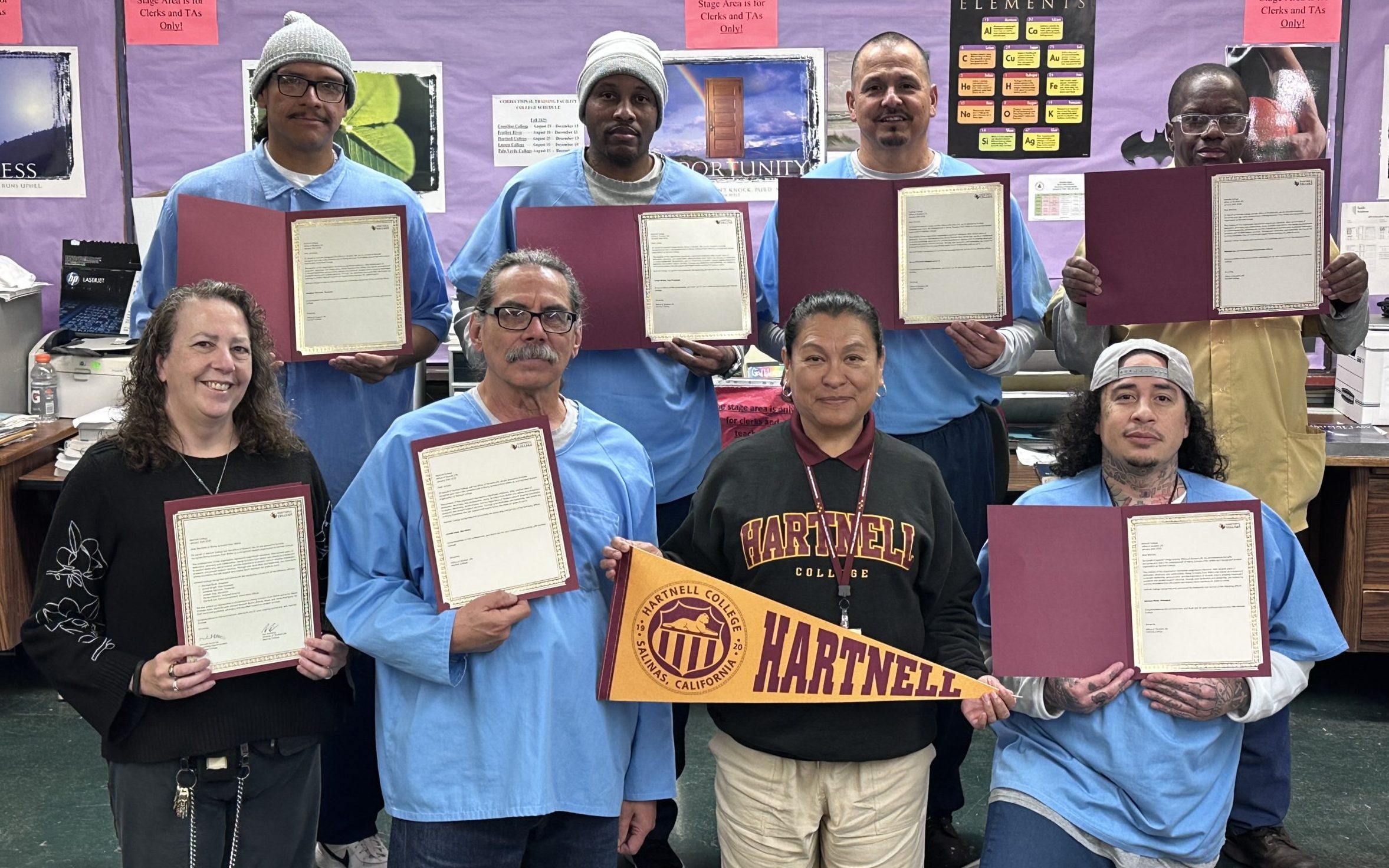
A closer look at CTF Rising Scholars program
The Rising Scholars from Within (RSFW) program at the Correctional Training Facility (CTF) is a partnership with Hartnell College. The…
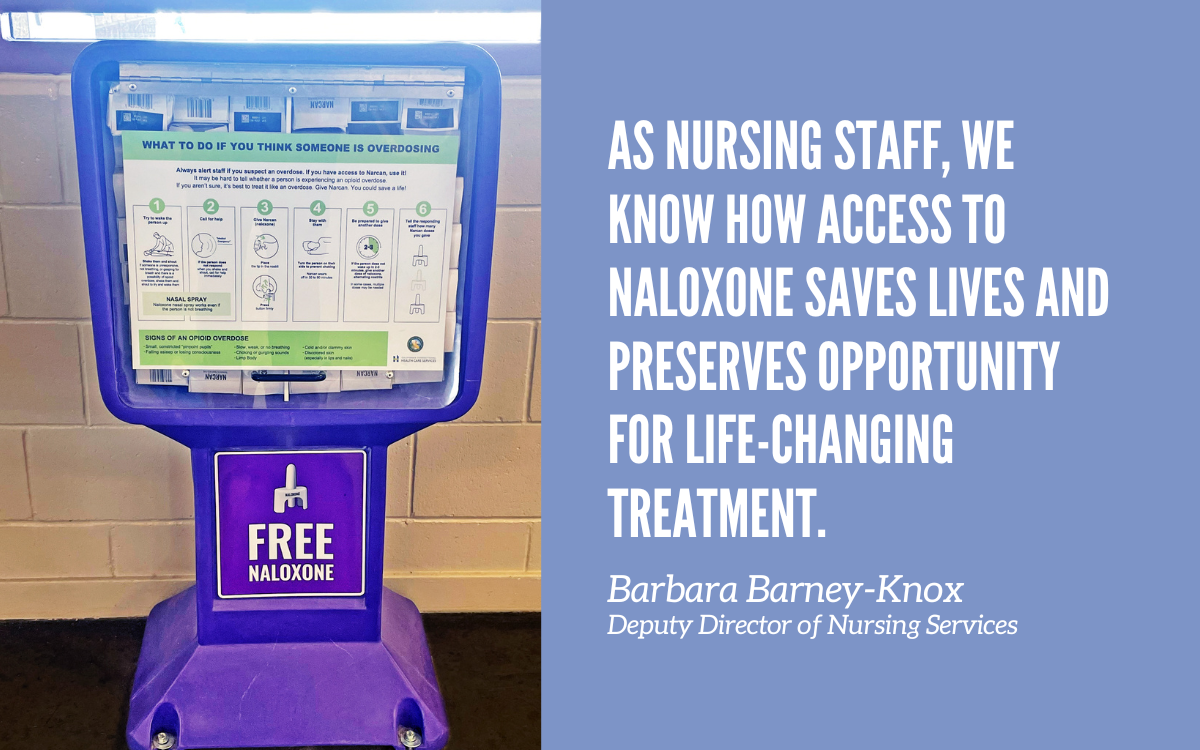
Life‑saving era: CDCR expands naloxone access
To decrease overdose deaths in California prisons, CDCR has expanded unprecedented access to naloxone. Commonly known by its brand name,…
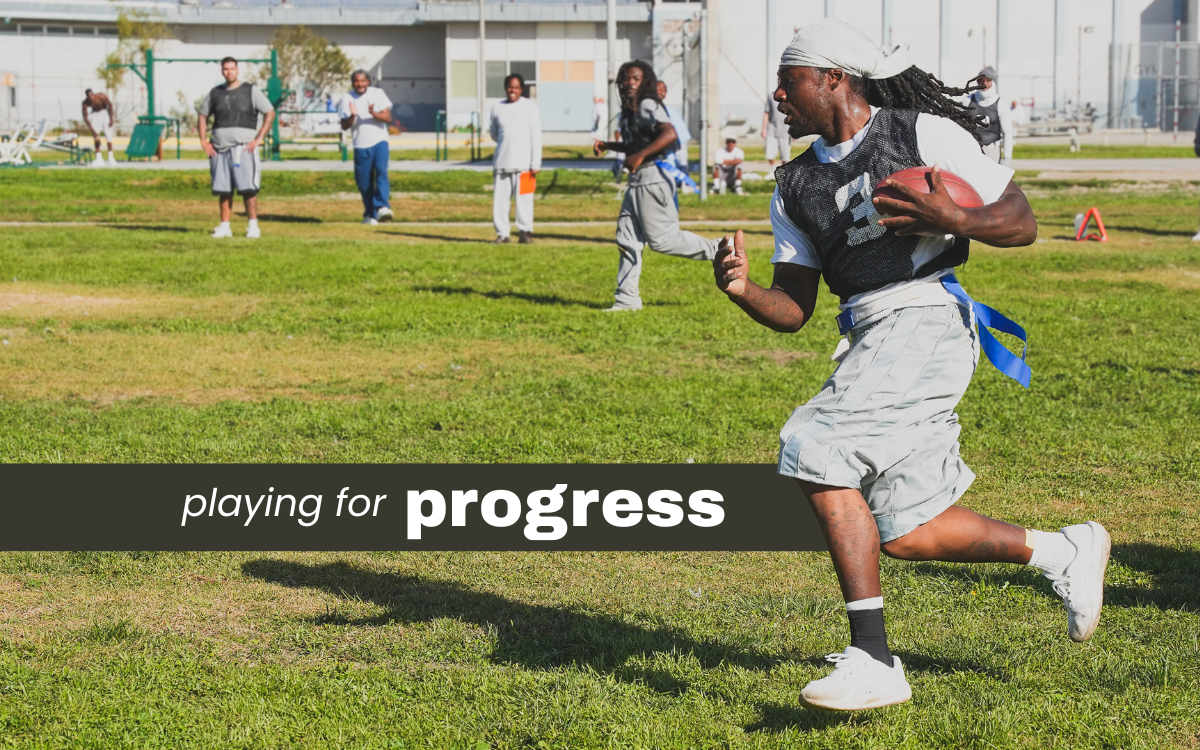
Watch: Bonding on the Field: CIM flag football
On a foggy Friday afternoon at California Institution for Men (CIM) in Chino, competition and camaraderie came together as players…
Centinela hosts Saints Prison Ministry softball
Saints Prison Ministry visited Centinela State Prison (CEN) to engage incarcerated persons on three facilities in friendly yet competitive softball…

Probation, education leaders tour VSP
Valley State Prison (VSP) recently welcomed probation and education leaders on tours to learn more about rehabilitation efforts. The two…
Vic Blends makes surprise visit to Valley State Prison
On a recent afternoon, the newly renovated Valley State Prison barbershop was buzzing with excitement, but students had no idea…