

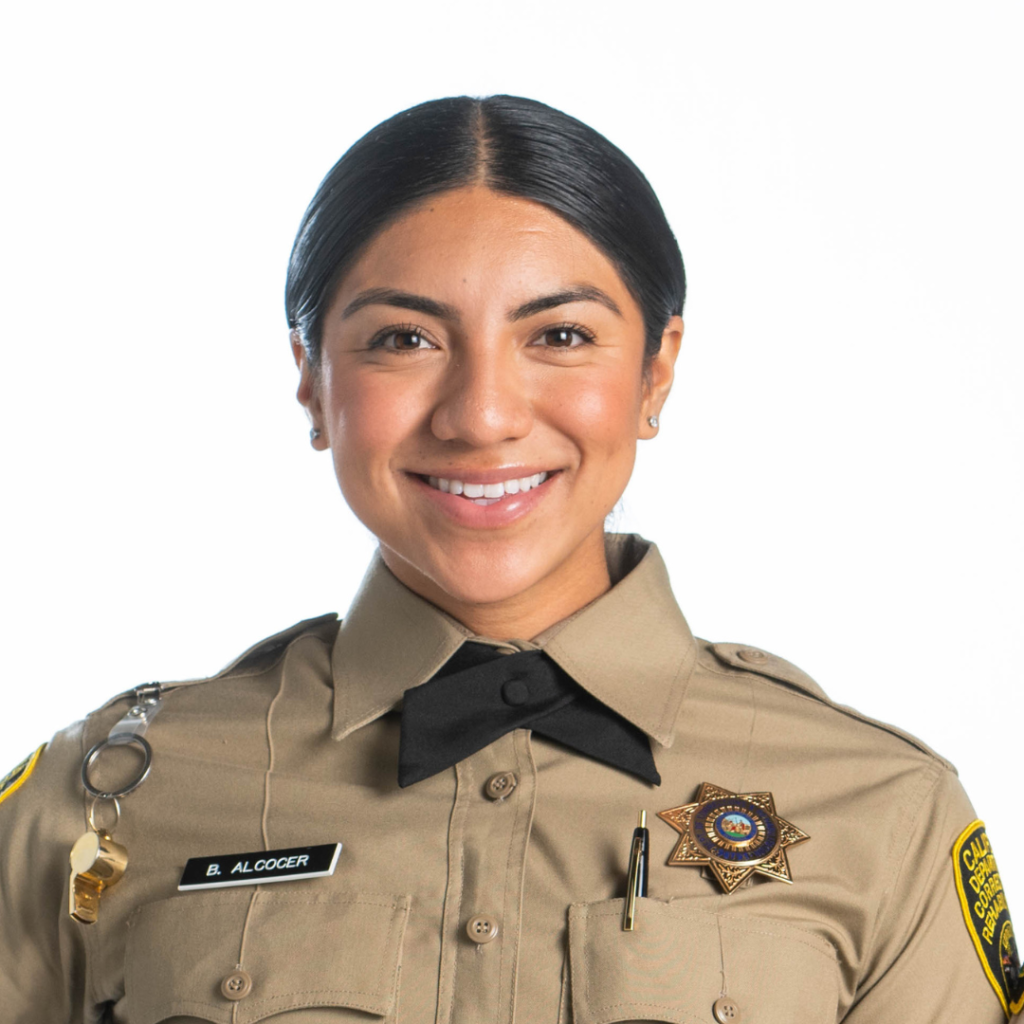
Women of CDCR
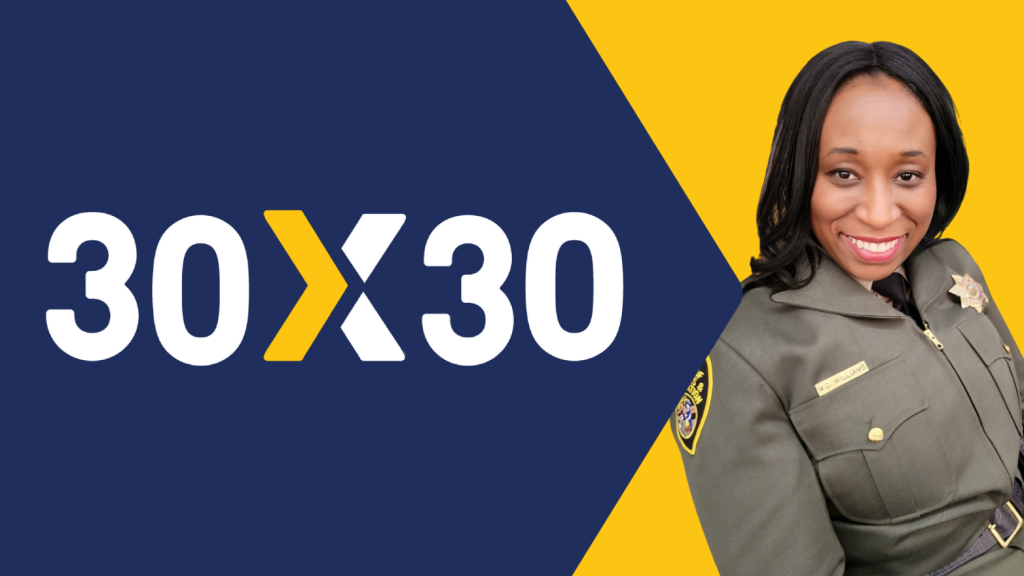
CDCR signed the national initiative to advance women in policing to 30% women Correctional Officer cadets by 2030 and to ensure policies and culture intentionally support the success of qualified women officers throughout their careers.
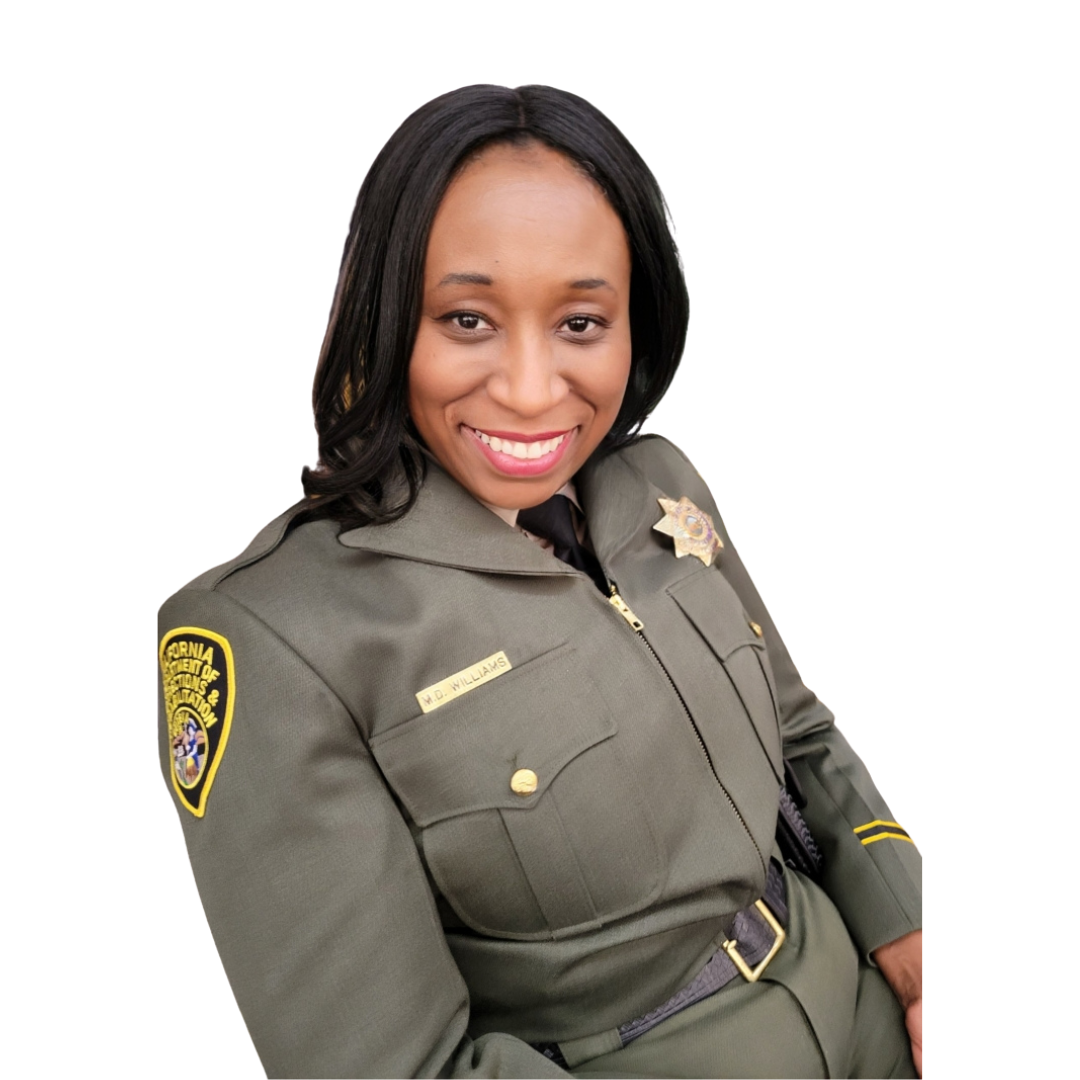
Q: What initially drew you to a career in corrections?
A: I was attracted to a career in corrections because of the family atmosphere that seemed to permeate the individuals I knew who worked for the Department. I also loved the idea of having a nice salary, great benefits, a respectful career, a way to promote with equal opportunities for all, and the ability to move throughout the state. I have worked Northern, Central, and Southern institutions. I was also moved by the ability to not be discriminated against due to the EEO laws and policies of zero tolerance.
Apply to be a peace officer today!
Q: What are some of the most rewarding experiences or successes you have had in your career?
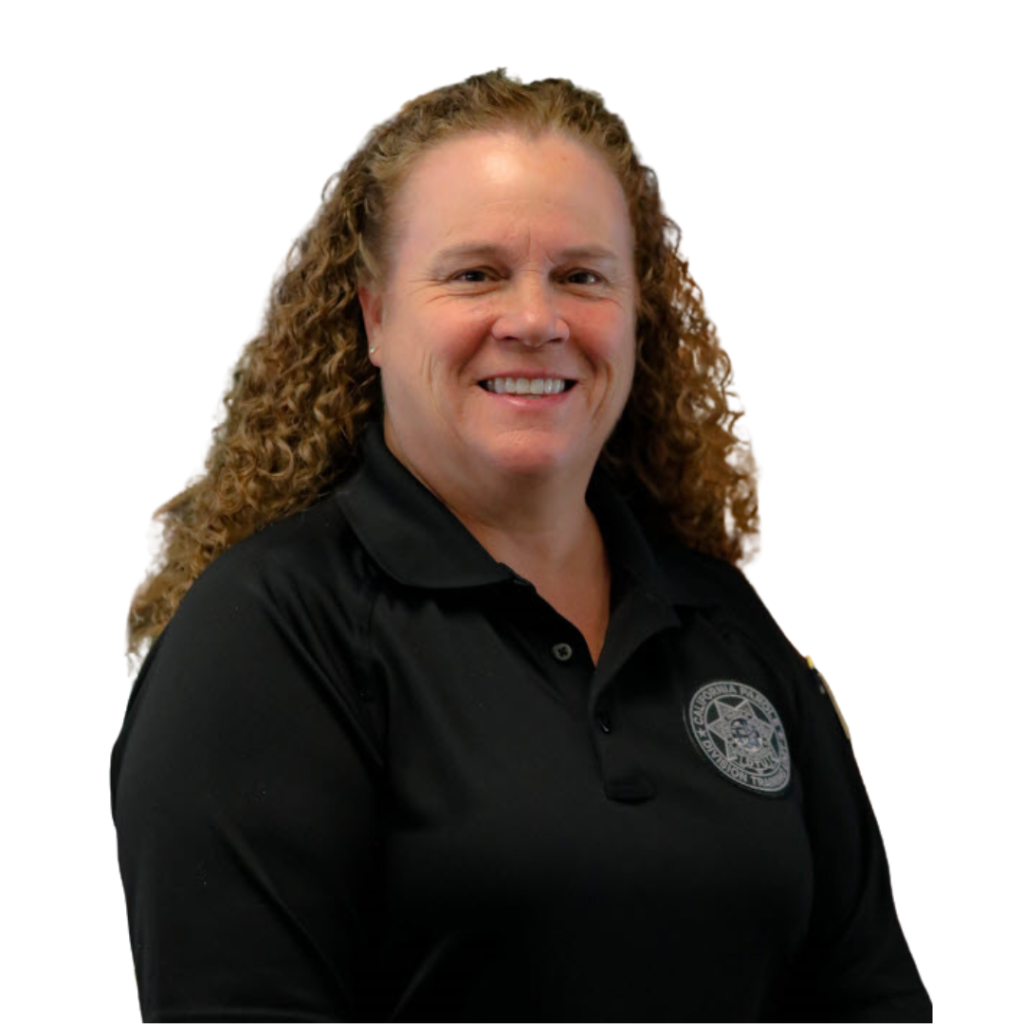
A: One of the most rewarding experiences in my career has been the opportunity to train and develop others. In my early years, I was given the opportunity and privilege of teaching a wide range of In-Service Training classes: CPR, baton, weapons handling, use of force, alarm response, and currently recruitment. A major milestone for me was becoming the first female Range Master in 2018. That achievement is something I’m truly proud of, not just for myself, but because it allowed me to elevate my female partners encouraging them to do the same.
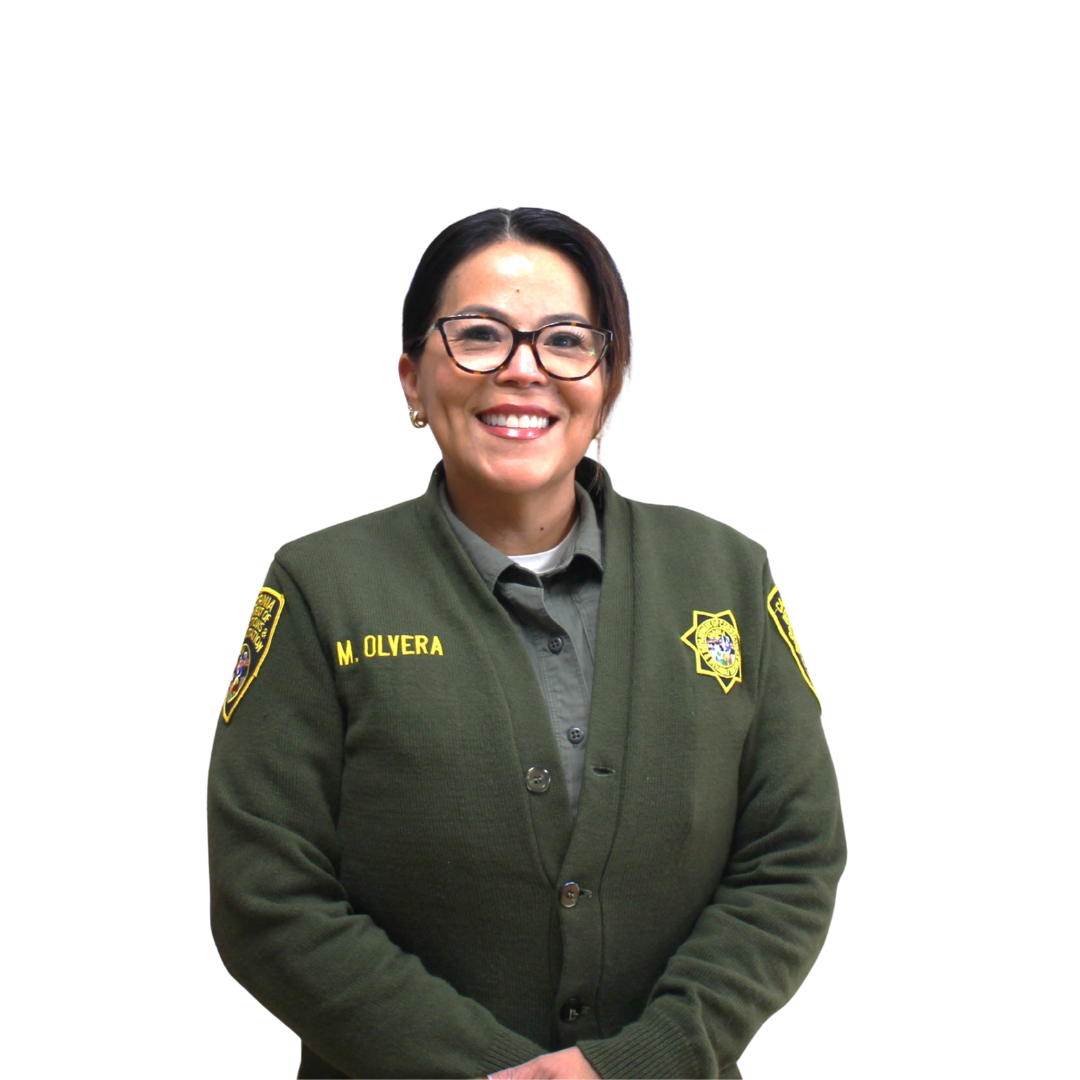
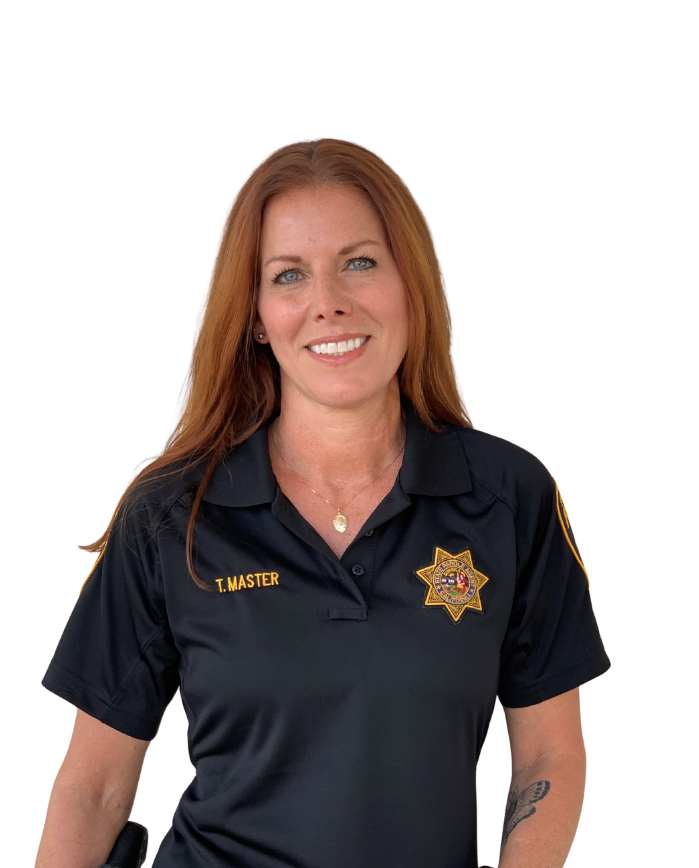
T. Master
Q: What advice would you give to women considering a career in this field?
A: I work many public events and often talk to women about a career in law enforcement. I especially like to connect with older women. I was 51 yrs old when I became a parole agent. It is never too late to step into this type of career. Older women bring invaluable life experience, communication skills, and resilience that are deeply needed in the field today. It’s never too late to step into a meaningful career where your strength can guide, protect, and inspire others. Your wisdom is your greatest asset – and that’s exactly what this profession needs.
Q: What are some of the biggest challenges you’ve faced as a woman in Corrections?
A: One of the biggest challenges I’ve faced as a woman in corrections has been overcoming stereotypes and proving my capability in a traditionally male-dominated field. At times, I’ve had to work harder to earn the same level of respect and credibility. Another challenge is balancing firmness with empathy—being professional and authoritative, while also bringing a human touch to an environment that can often feel very tough.
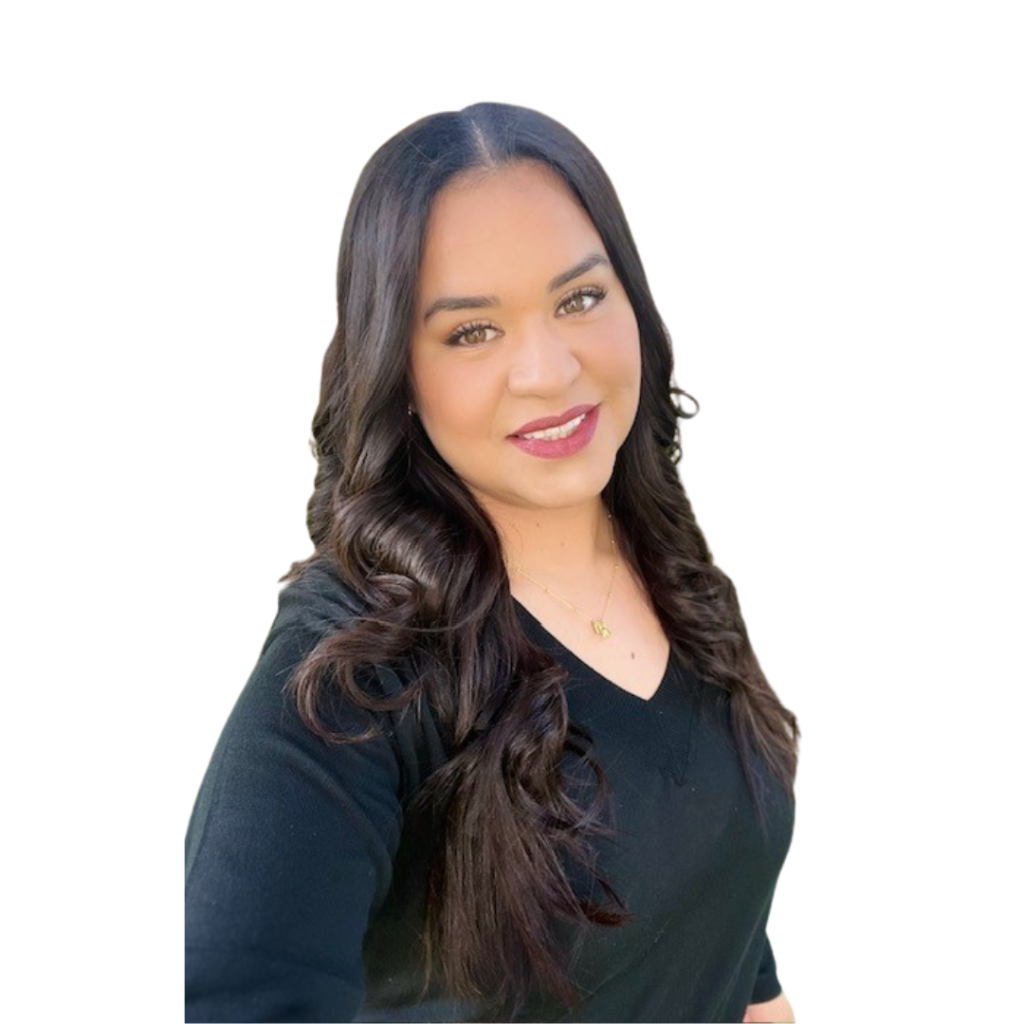
J. Ramirez
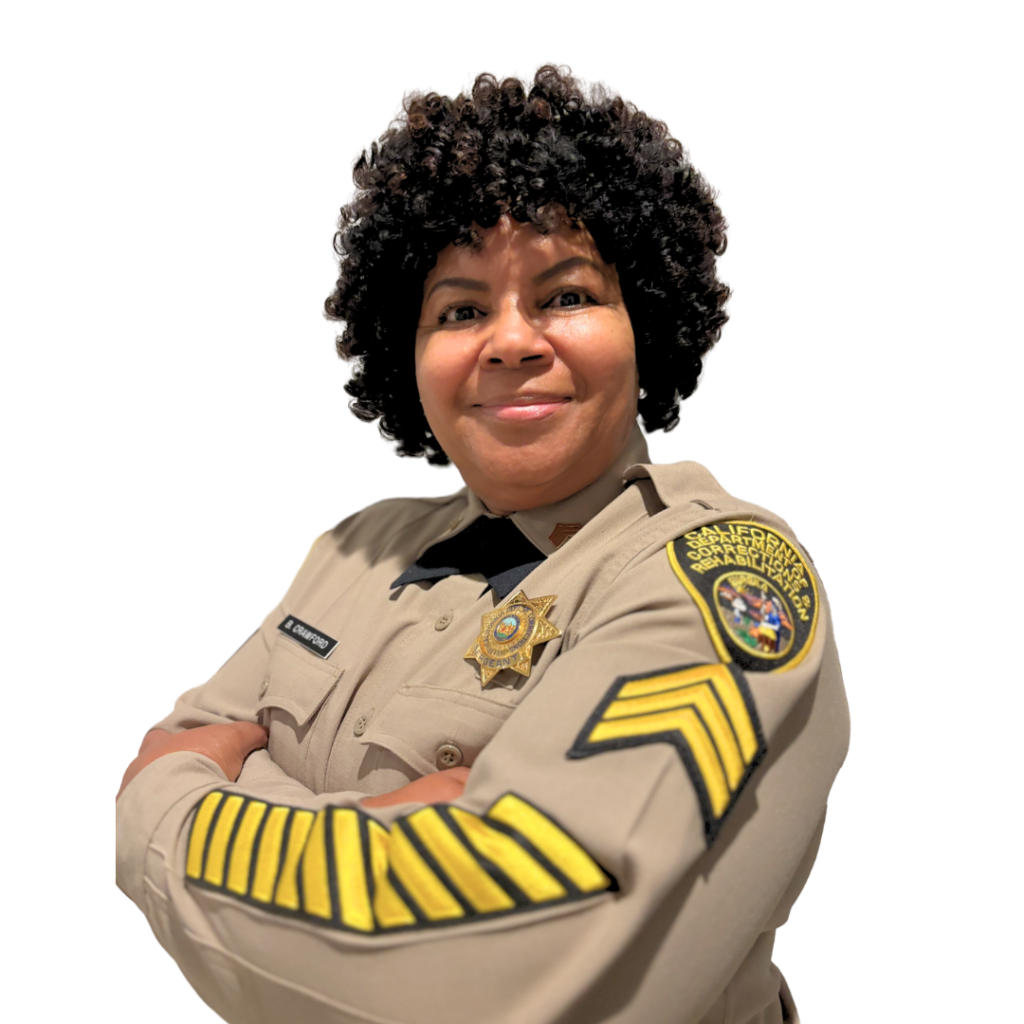
Q: Can you share a memorable moment on the job that stands out for you?
A: My most memorable moment on the job was seeing my children and grandchildren, all in uniform working as Correctional Officers, as well as seeing one of my sons get promoted to Correctional Sergeant. I am so proud to have inspired them into this field of work.
Q: What advice would you give to women considering a career in this field?
A: Absolutely do it! Do not forget that you earned the right to wear the uniform regardless of gender. Will the incarcerated be bigger and stronger at times? Yes. You have to develop a strong command presence and project authority using your body language and communication style. It’s important to internalize your strengths and weaknesses and to find a good mentor that can help you. Most importantly, don’t lose sight of who you are.

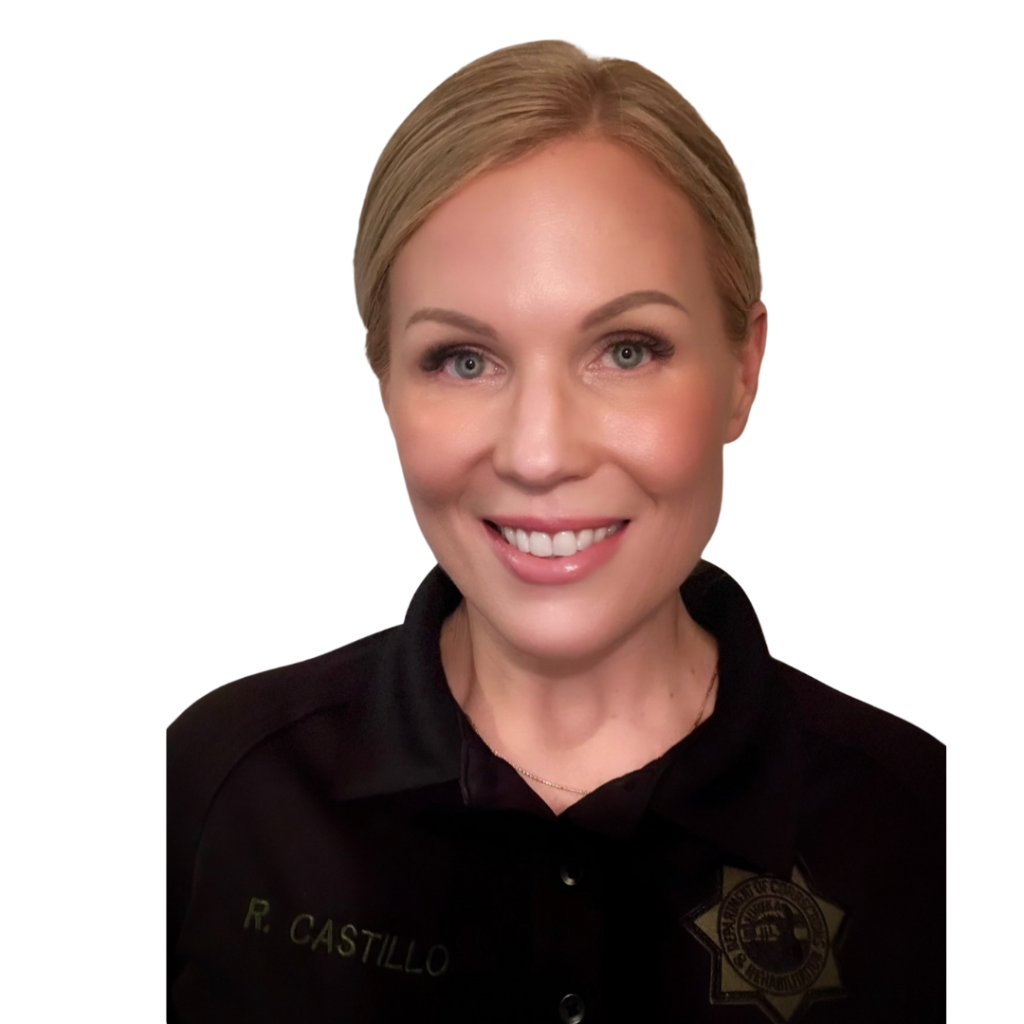
Q: What keeps you motivated and driven to succeed in this demanding role?
A: My family keeps me motivated to constantly strive to be the best version of myself. I want to be proof that no matter what gender, age, or circumstance you are faced with, you can succeed if you continue to consistently show up day after day to work towards your goals. Find a mentor, be receptive to constructive criticism, and challenge yourself to do new things.
Q: What advice would you give to women considering a career in this field?
A: Studies have shown that women in leadership, who are in Law Enforcement, positively influence policy and culture to result in better outcomes for community and public safety as a whole. Despite these benefits, women remain heavily under-represented in policing leadership and still face bias that prevents them from advancing. Any female who is considering a career in corrections should remain confident, seek knowledge of the department, maintain a healthy home/work life balance and stay resilient.
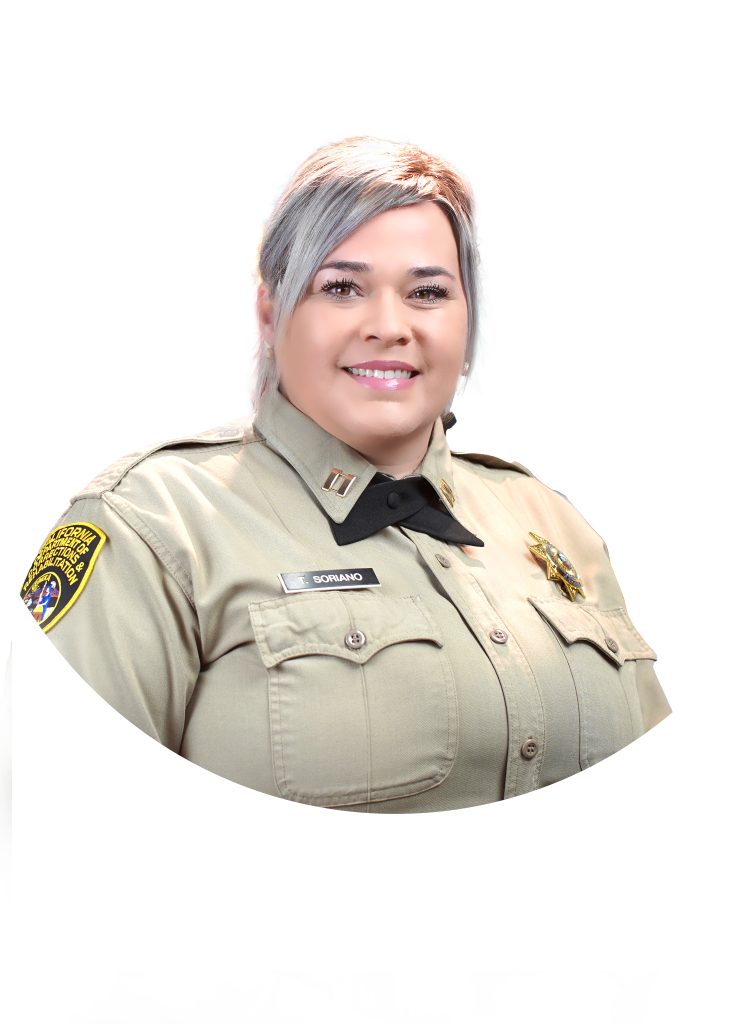
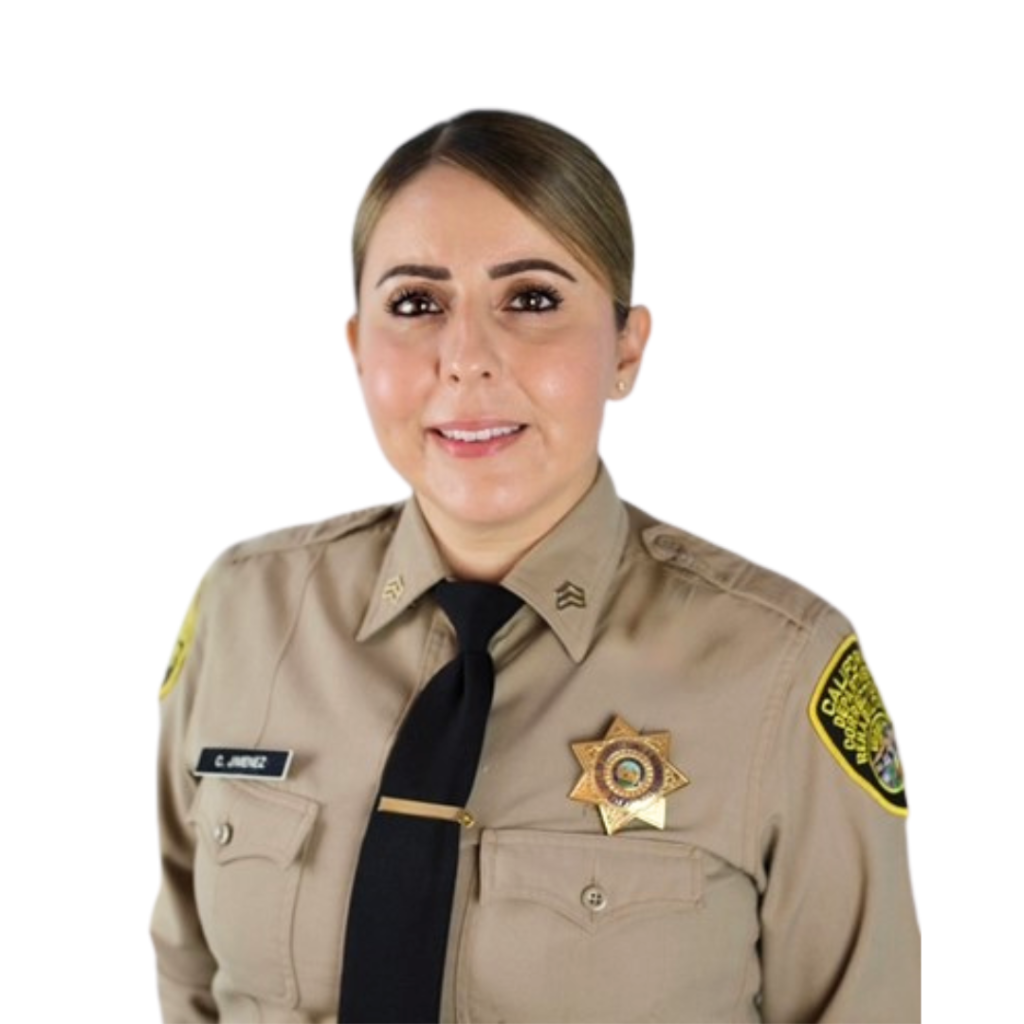
Q: What initially drew you to a career as a correctional officer?
A: What initially drew me to a career as a correctional officer with CDCR was the opportunity to have a secure and stable job, while also having room to grow. As a woman, I wanted to build a career where I could challenge myself. The department offers a variety of career advancement options, whether it’s promoting through the ranks or moving into specialized units, there’s always a next step if you choose to do so.
Q: What keeps you motivated and driven to succeed in this demanding role?
A: What keeps me motivated is seeing the positive outcomes—those moments when individuals succeed against the odds. Even though this role can be physically and emotionally demanding, the sense of purpose and the real-life impact I witness reminds me that the work we do matters. The rewards far outweigh the challenges.

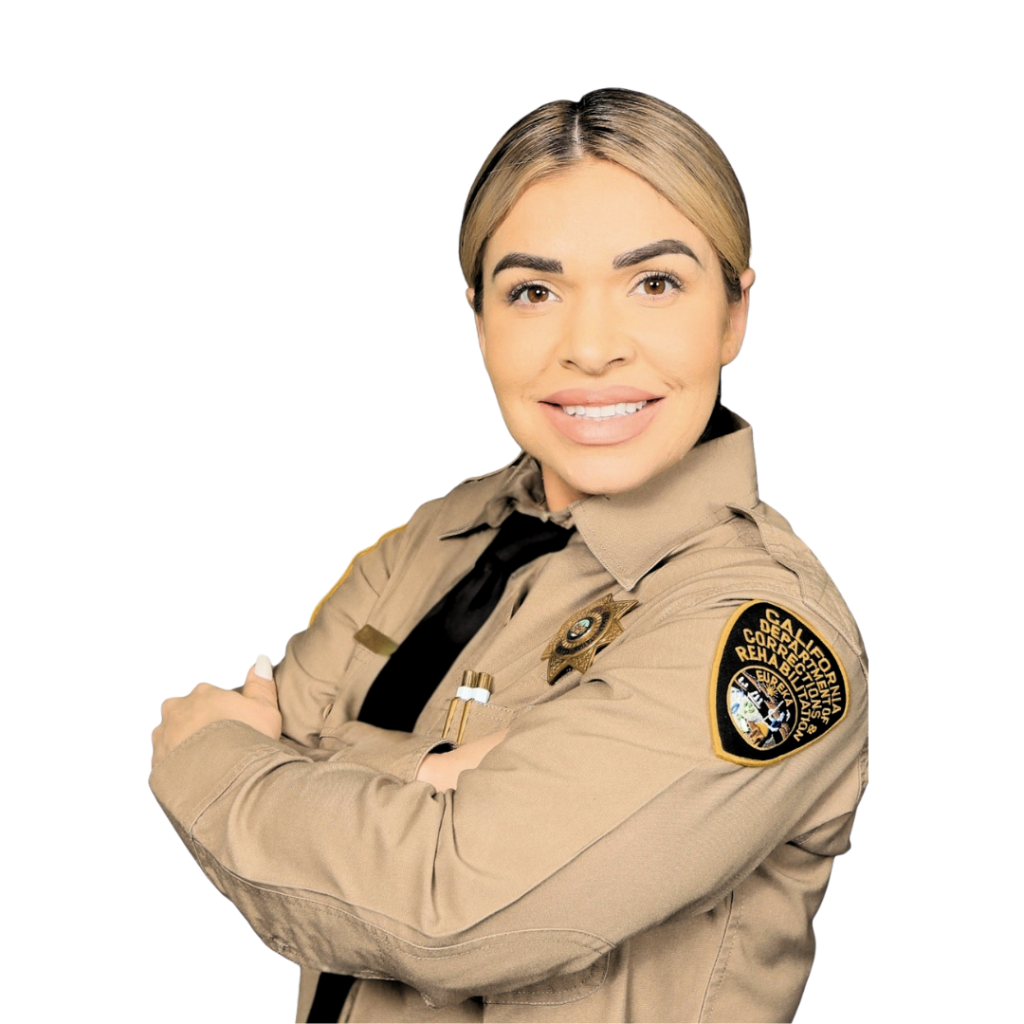
Q: What are some of the biggest challenges you’ve faced as a woman in corrections?
A: One challenge I’ve faced in the department is maintaining a healthy work-life balance. It is extremely difficult being a single mother, working overtime (to provide), working odd shifts, and doing so while trying to prioritize my family. While women continue to advance in the department, I am staying goal-oriented with efforts to promote. I am stepping outside my comfort zone to learn new skills allowing me to grow and to lead with confidence.
Q: What are some of the most rewarding experiences you have had in your career?
A: To see the transformation in the incarcerated population utilizing the rehabilitative tools provided by CDCR. I thoroughly enjoy restorative justice through fundraising. On many occasions, I worked hand in hand with the incarcerated population by showing them how to give back to the community in a positive manner. I can see the reformative transformation when they use their time and energy in useful projects that help everyone involved. When they take genuine pride in their accomplishments and hunger for more pro-social activities, I know that rehabilitation truly works.
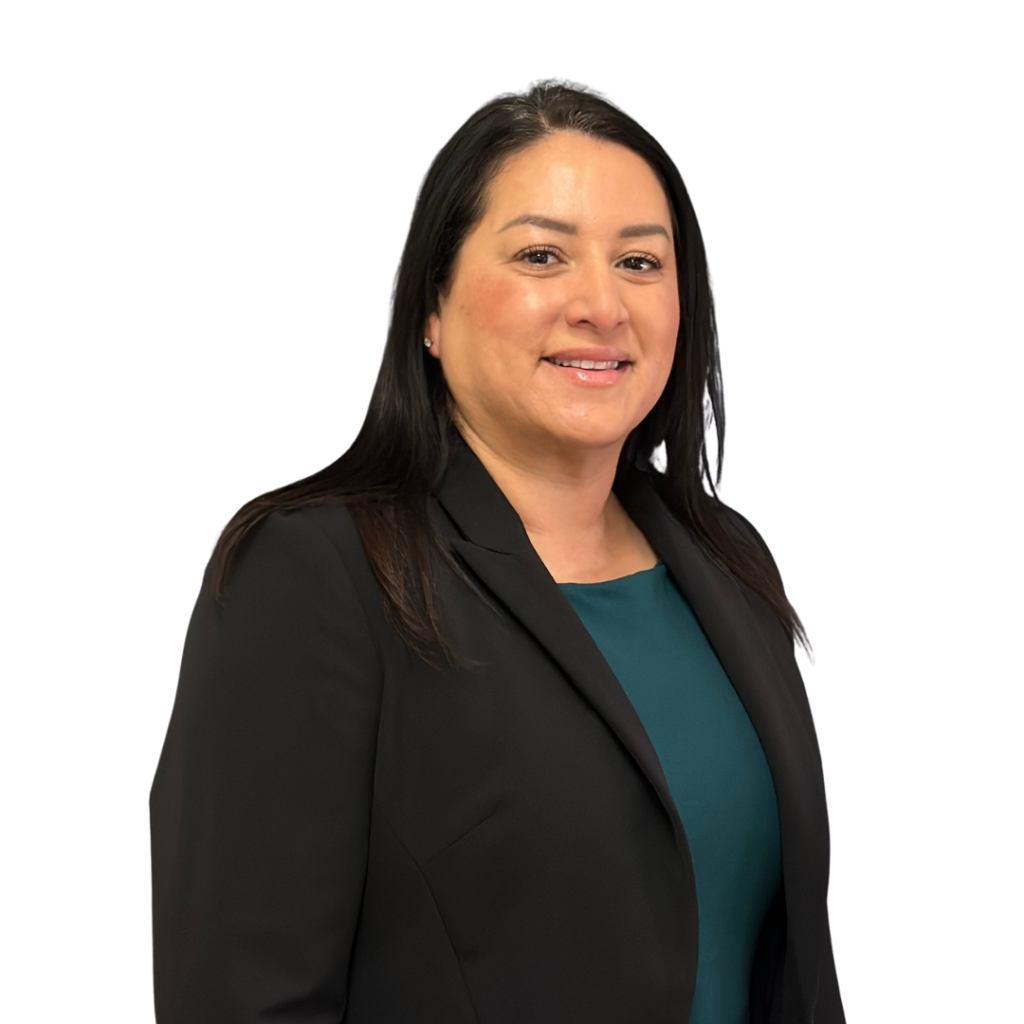
I. Fletes
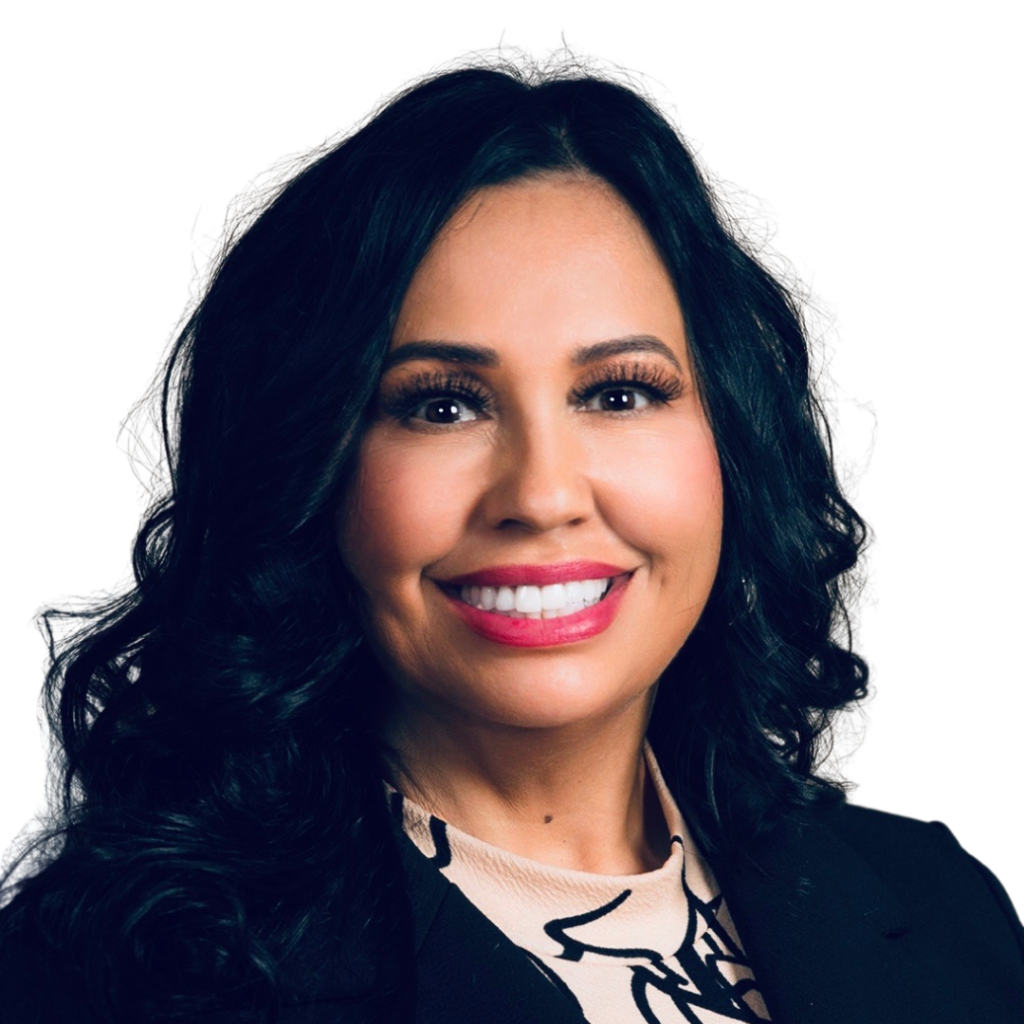
Q: What advice would you give to women considering a career in corrections?
A: Starting a career in Corrections can present both challenges and rewards. It is crucial for women in this field to recognize their individual strengths. I urge you to commit to working hard and staying true to yourself, as these traits will enhance your personal development and motivate those around you. Approach your responsibilities with strength, compassion, and empathy. Along the way you will build resilience to conquer any obstacle that comes your way. Above all, trust in your abilities and maintain focus on your goals.
Q: Can you share a memorable moment on the job that stands out for you?
A: A memorable moment in my career was when I was given the amazing opportunity to speak at the Academy graduations. I distinctly remember during my own graduation as a Correctional Officer, listening to the keynote speaker, who was a female, and thinking that could be me one day…and now it is. To know that something I say or do could inspire the next generation to be the best version of themselves is a huge responsibility, but also very rewarding.
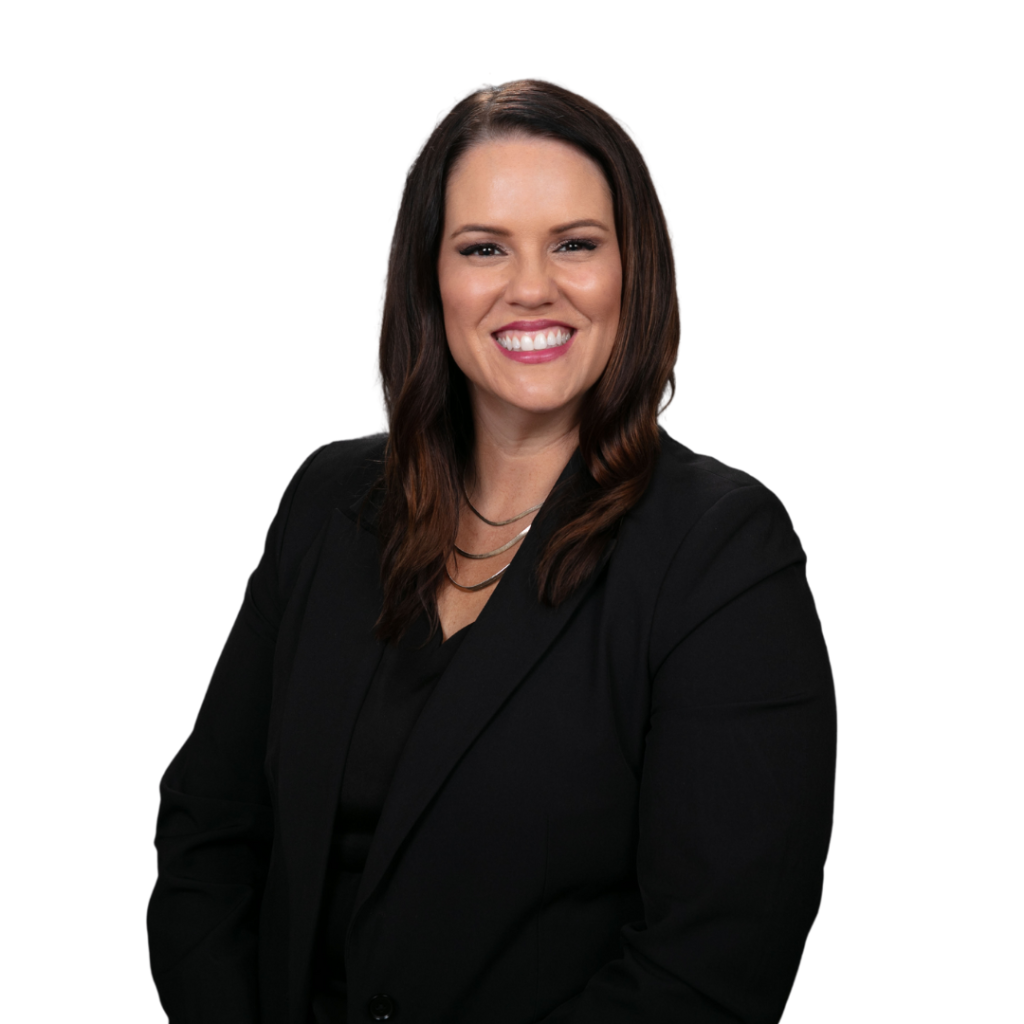

Q: What are some of the biggest challenges you’ve faced as a woman in Corrections?
A: Challenges I have faced in the department over the years include times when I was overlooked or passed up for opportunities simply because I am a woman. However, CDCR has made significant strides in acknowledging these obstacles and is undergoing transformative change from within. To all women: Never count yourself out! You are valued, needed, and respected in this field.
Q: What keeps you motivated and driven to succeed in this demanding role?
A: I stay driven and motivated because of the many great partners I’ve had throughout my career. I would not be the person I am today without them. We are like family, looking out for each other and giving support when needed. At the end of the day, when I walk past the gates, I forget about the challenges from my job and focus on my family. This helps me de-stress from my workload and focus on the bigger picture.
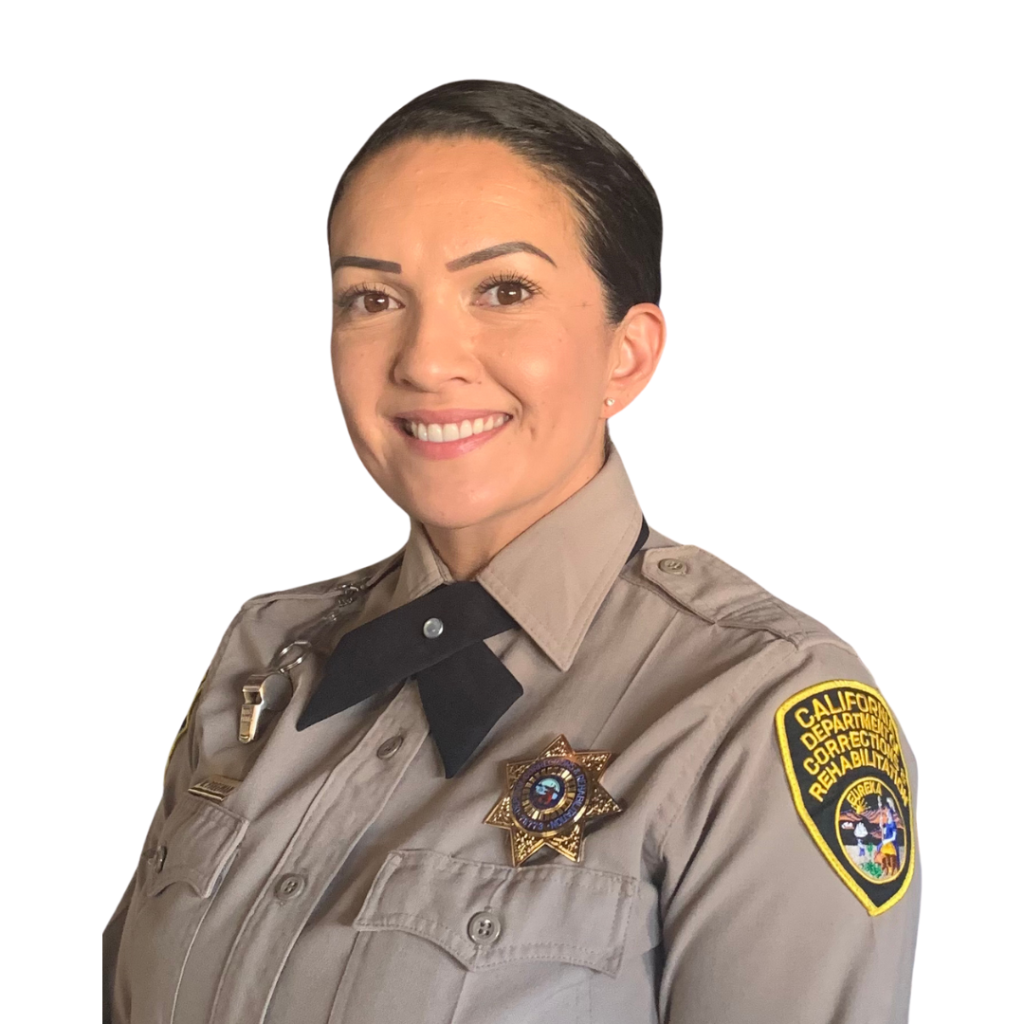
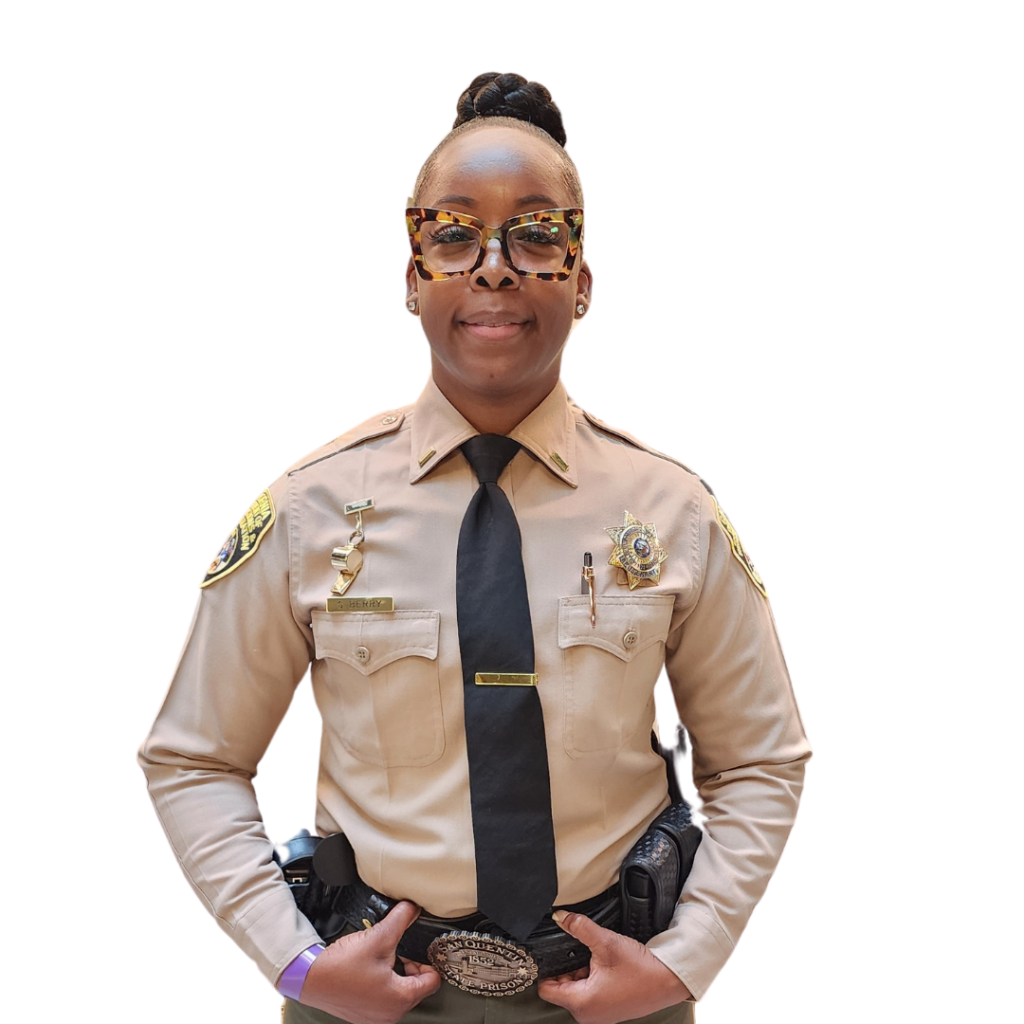
Q: What advice would you give to women considering a career in this field?
A: Always remember to treat people with respect, it goes a long way. Every opportunity I get to encourage my staff or someone that I’ve supervised, I try and capitalize on that. Never forget where you started; the opportunity for advancement is endless.
Q: What keeps you motivated and driven to succeed in this demanding role?
A: My family is always my number one motivation. I am so grateful to them for always supporting me in my career. I’ve also been blessed by having an amazing CDCR family. My partners have been a huge support system throughout my journey.
Q: Can you share a memorable time in your career that stands out for you?
A: One of the most memorable experiences in my career was serving on the Honor Guard Team. This distinguished group of Peace Officers is tasked with providing funeral honors for fallen comrades while displaying the utmost professionalism and sensitivity to grieving family members. This role taught me invaluable lessons in teamwork and emotional intelligence, and the importance of maintaining exceptionally high standards of appearance, conduct, and camaraderie. CDCR has so many jobs to offer and is a very rewarding career!
Q: What are some of the biggest challenges you’ve faced as a woman in Corrections?
A: As a smaller framed woman, I was hesitant to apply for the department. I assumed one had to be big and buff to work in a prison. Once I began my career, I quickly realized that with being a smaller female officer in corrections, your interactions with the incarcerated population rely heavily on your communication style. Communicating effectively and being able to listen is going to be your greatest asset. I want young women to see themselves represented in the law enforcement field and know that your size doesn’t matter.
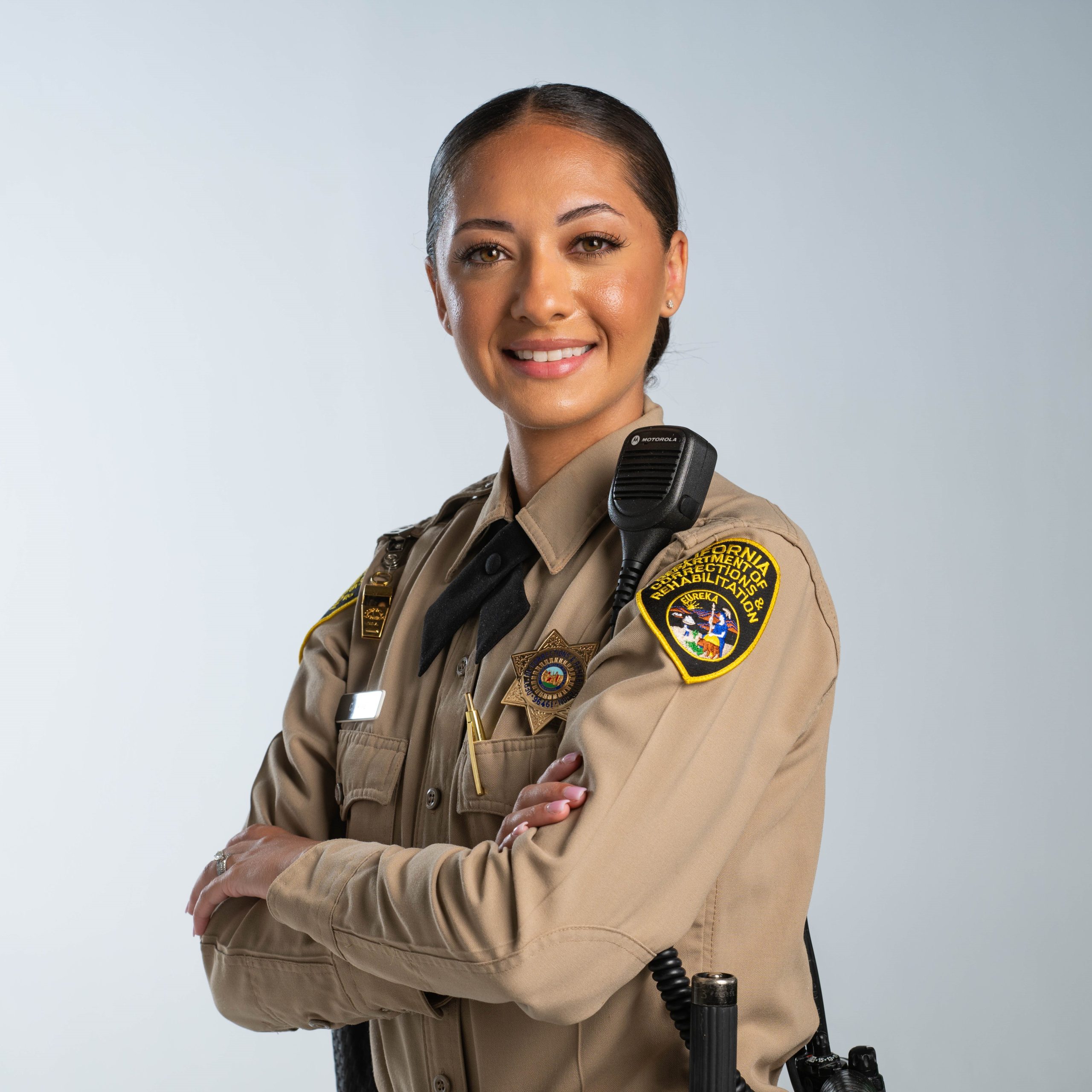

Q: What keeps you motivated and driven to succeed in this demanding role?
A: I stay motivated and driven in this role by always keeping a positive mindset. It is your mindset that will always allow you to overcome your challenges. Yes, we all can have bad days…but we can always overcome them with perspective.
Q: What advice would you give to women considering a career in this field?
A: Women belong in corrections; come join us! Don’t believe what you see on television. It is a wonderful field to be a part of and we, as women, bring so much to the table. Our gift is our ability to provide solutions to critical situations through a lens of humanity and compassion, and this is only one of our many strengths.

D. Mendoza
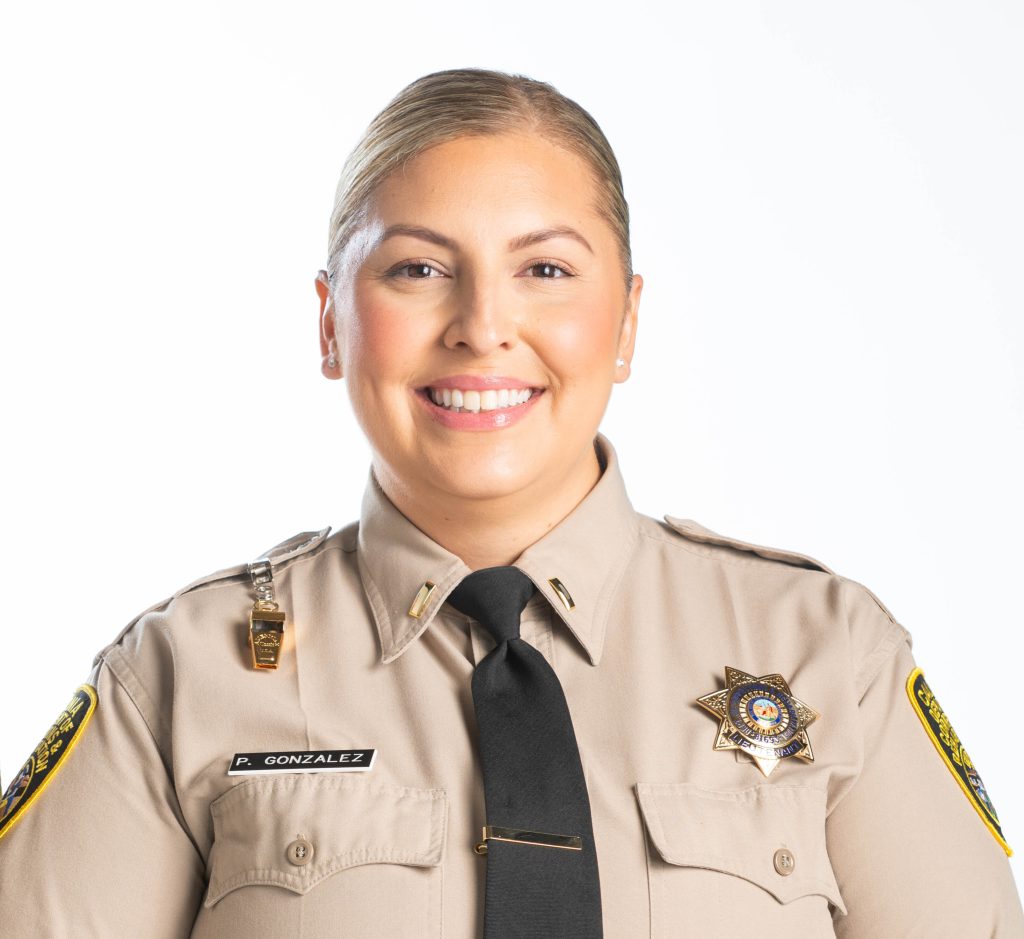
Q: Why did you become a correctional officer?
A: Though correctional work wasn’t a childhood dream, I stumbled upon it at 18, inspired by my stepmom in the department and the strong, supportive women I met there. Their stories ignited my own ambition, going beyond wanting a good job to making my late father proud and proving myself in a male-dominated field. Facing challenges like earning respect as a woman, I’ve thrived, knowing my dedication and positive impact pave the way for others.
Q: What advice would you give to women considering a career in this field?
A: I would tell other women to keep a strong mentality, not give up and have a positive attitude. There is so much room for growth in a Law Enforcement career, so take any opportunity you get. I would say your confidence will skyrocket personally and professionally. Remember to keep a social life while being a peace officer.
CDCR Signs on to 30X30
The 30×30 Initiative is a coalition of police leaders, researchers, and professional organizations who have joined together to advance the representation and experiences of women in all ranks of policing across the United States.
Currently, women make up 12% of sworn officers in the U.S. CDCR is proud to be higher than the national average with currently 17% women sworn officers.
CDCR workgroups were formed to focus on recruitment, hiring, promotion, retention, and culture through collaboration with other participating law enforcement agencies. CDCR will work to ensure the Department is representative of the jurisdictions it serves by taking steps to improve gender equity and implement strategies and solutions to advance women in the department.
To nominate a female CDCR peace officer, please email Recruit@cdcr.ca.gov.
Apply to be a peace officer today!
CDCR Pledges to Advance Women in Corrections
CDCR Secretary Jeffrey Macomber has signed a “30×30” pledge, which sets a goal to have women make up 30 percent of correctional officer cadets by 2030. Further, CDCR will work to ensure the Department is representative of the jurisdictions it serves by taking steps to improve gender equity and implement strategies and solutions to advance women in the department. Continue reading.
What is 30×30?
Our ultimate goal is to increase the representation of women in police recruit classes to 30% by 2030, and to ensure police policies and culture intentionally support the success of qualified women officers throughout their careers. Continue reading.