


In this Year in Review, CDCR and CCHCS reflect on accomplishments in 2024, including groundbreaking rehabilitative programs, significant changes, honoring exceptional employees and community contributions. In 2024, CDCR and CCHCS set new standards in corrections while prioritizing security and safety. The department continues to innovate, break barriers, and support California communities. Please enjoy this recap of 2024’s best moments.
Top accomplishments of 2024
- CDCR staff started undergoing training in Active Bystandership, Trauma-Informed practices, and Professional Engagement as part of the California Model. These trainings focus on fostering positive staff-incarcerated relationships, recognizing trauma’s impact, and ensuring safety while promoting rehabilitation, peer mentorship, and improved practices throughout the department.
Learn more about the training on CDCR’s California Model webpage. - CDCR launched the Youthful Offender Program (YOP) at Growlersburg Conservation Camp in Georgetown, training participants under 26 for wildland firefighting. The program offers rehabilitative opportunities and hands-on training, with successful graduates eligible for expedited record expungement and CAL FIRE employment.
Visit Inside CDCR to read the YOP article and watch the video.
- In line with Proposition 66, CDCR’s Condemned Inmate Transfer Program (CITP) has transitioned death-sentenced incarcerated individuals from segregated housing to general population. The program includes 605 condemned incarcerated individuals and promotes rehabilitation and restitution. All incarcerated previously housed in condemned housing at Central California Women’s Facility have been relocated to the general population.
Visit Inside CDCR to read the CITP article and watch the video. - In July, Delancey Street Foundation celebrated the grand opening of their incarcerated-ran restaurant at California State Prison, Solano. The restaurant offers incarcerated individuals food service training. The program, aimed at aiding rehabilitation and reentry, provides valuable work skills, promotes community, and supports participants’ growth, with special guests including Governor Newsom and former Governor Brown.
Read the Delancey Street grand-opening article on Inside CDCR and watch the video.
- In a first-of-its-kind partnership, 23 incarcerated students at Richard J. Donovan Correctional Facility graduated with bachelor’s degrees in sociology through UC Irvine. The initiative, part of the LIFTED program, aims to reduce recidivism and improve public safety by expanding educational opportunities for incarcerated individuals.
Visit the CDCR website to read the news release. - In CDCR, women now make up 27.2% of the correctional workforce, a 7.7% increase from 2023. The National 30×30 initiative aims to increase women’s representation in law enforcement to 30% by 2030. The initiative seeks to enhance public safety and trust through greater gender equity in policing.
Learn more about the national 30×30 initiative.
California Correctional Health Care Services
- Receiver delegated the medical care at CRC, CMF, SOL and NKSP back to CDCR oversight, with more than three-quarters of institutions (24 out of 31) now returned to state control.
- CCWF launched the Palliative Care & Comfort Care program, with 20 trained comfort care workers and seven volunteers, offering specialized care for patients with serious illnesses in the Skilled Nursing Facility and Transitional Care Unit.

- Increased statewide mental health bed capacity by opening a 150-bed Enhanced Outpatient Program (EOP) program at CIM and transitioning a building at PVSP into EOP space to house more than 100 individuals.
- Consolidated CDCR and CCHCS headquarters offices to help facilitate increased coordination among programs and save more than $3 million annually by relocating into the vacated buildings at the Elk Grove campus.
- Achieved $9.81 million in cost savings in FY 2023-24 through the Public Health Sexually Transmitted Disease 340B Drug Pricing Program. Savings fund 24-hour pharmacy services, medical staff, and a standardized process for registering CCHCS pharmacies with the National Council for Prescription Drug Programs. The contract is projected to generate over $24 million in annual rebates.
- HCV and HIV treatments have had a notable impact on both transmissible diseases. HCV rates decreased to 3.5% in 2024, down from 14% in 2017. HIV patients have reached a 98% viral suppression rate, significantly higher than California’s 64%.
- 77% of eligible patients screened for lung cancer in 2024, a significant increase from 58% in 2023. This is compared to only 13.9% of the eligible California population and 16.0% of the eligible US population screened for lung cancer.
- Regional Hiring Units hosted 12 events in 2024, engaging 1,454 attendees, conducting 1,281 interviews, and making 428 hires, with 95 offers pending.
- In 2024, CDCR screened 97% of the population for SUD, with 73,000 screened and 38,000 assessed for treatment. By mid-November, 18,645 individuals were receiving Medication Assisted Treatment (MAT), 11,600 participated in behavioral interventions, and over 24,000 naloxone doses were provided, with 96% of MAT patients receiving it upon release.
- CDCR/CCHCS established Patient Advisory Councils at each institution to improve communication, gather feedback, and involve patients in program development. By year-end, all institutions held monthly meetings and shared feedback with the Quality Management Committee.
California Model
- Completed demolition efforts to begin construction on a new education and vocational center project at the San Quentin Rehabilitation Center.

- CDCR Secretary and Receiver shared space on a first-of-its-kind podcast to highlight CA Model goals, operation, impacts and benefits. The episodes of CDCR Unlocked released with part one and part two.
- Insights from The CDCR Secretary and Receiver were shared in the inaugural issue of the CA Model Magazine. They showed how CA Model foundational pillars of Dynamic Security, Normalization, Peer Support and Becoming a Trauma Informed Organization are applied and received statewide.
- Expanded from the first phase sites (SVSP, CCWF, and VSP) to five additional sites (COR, SAC, RJD, SATF, and SQ), to include the establishment of new CA Model Resource Teams at those locations. Early results of Dynamic Security show participants who completed at least three sessions with Resource Team members had a significant reduction in self-harm, suicide attempts, rules violations and violence. They also showed an increase in attendance to vital treatment programs. Visit Inside CDCR to read the article and watch the video.
- Normalization initiatives implemented to create revisions to Title 15 terminology, the addition of decorative murals at every institution, and new dayroom furniture at 29 locations. Positive message boxes were introduced to promote staff appreciation and idea sharing. Visit RSS.com to listen to the normalization podcast.
- Frequent visits and tours from national and international partners to visit CA Model institutions and shadow CA Model Resource Teams all year. The sharing of ideas shows our place as an international leader in this space.

- Launched the first-ever correctional Peer Support Specialist Program (PSSP). The PSSP was successfully implemented at 15 institutions (CMF, VSP, CCWF, ASP, CAL, SAC, SATF, CMC, MCSP, FSP, KVSP, LAC, SQRC, and WSP). From May to mid-October of 2024, Peer Support Specialists have engaged more than 29,324 one-on-one encounters and 2,383 group sessions. Visit Inside CDCR to watch CCWF graduate first Peer Support Specialist cohort and read the article.
- Prioritized becoming a Trauma Informed Organization by launching a host of CA Model all-staff trainings with in-person instructors and online via CDCR’s Learning Management System. These include Trauma-Informed Organization, Wellness & Stress Resiliency, Active Bystandership, Professional Engagement, Dynamic Security, Normalization & Progression, Key Principles of the CA Model and Contact Skills Training.
- Preliminary evaluation efforts completed at the initial three test sites (SVSP, CCWF, and VSP) showed reductions in rule violations, increased out-of-cell time, and more housing stability among incarcerated people who worked with Resource Teams and/or lived in honor dorms. These findings are an early indication of the CA Model achieving its goals of supporting a safe, rehabilitative environment.
January
Incarcerated artists help children get skateboards
A team of incarcerated artists, community members and prison employees have teamed up to create beautiful hand-painted art on skateboards.
Once those one-of-a-kind art pieces are auctioned off, the proceeds are used to buy skateboards for children who would otherwise not be able to afford them.
The project is a partnership of several institutions, including California State Prison-Corcoran, Avenal State Prison, Valley State Prison, and Fresno Skateboard Salvage.
Visit Inside CDCR to read the full article.
Learn more about the organization on Fresno Skateboard Salvage’s Facebook page or their website.
Folsom Braille participant first to receive award
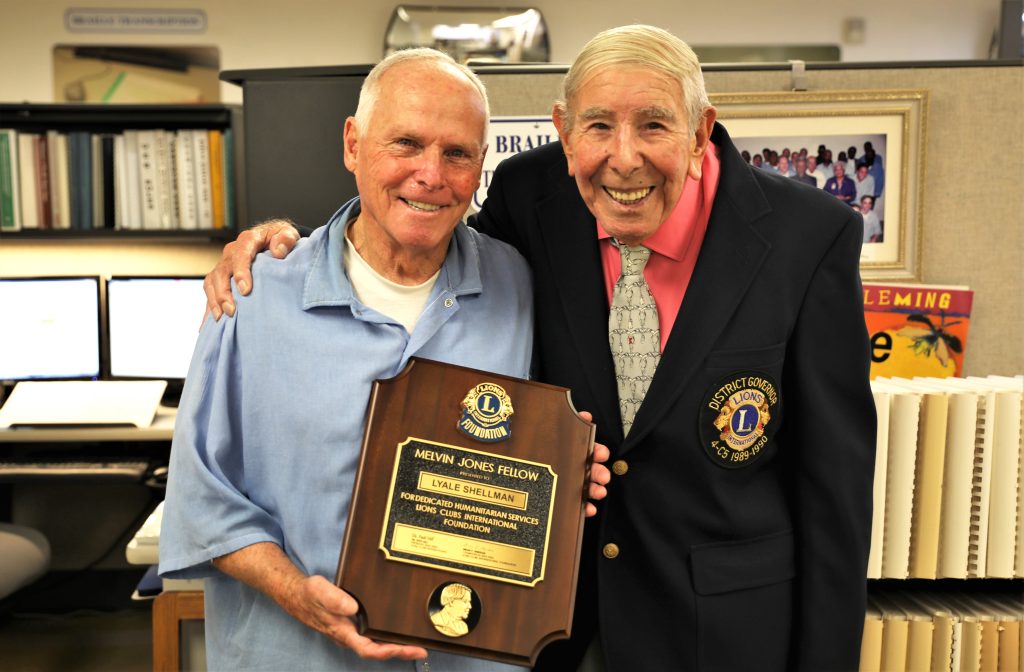
For more than 21 years, Lyale Shellman has mastered the world of Braille. A soft-spoken man who works at his desk, not from home, but inside Folsom State Prison, Shellman provides leadership and guidance to the California Prison Industry Authority’s (CALPIA) Braille program.
He was recognized for his dedication, being the first incarcerated person in the world to receive the award.
“When people go inside our Braille program, Lyale is that shining light offering them insight as to what it takes to be a top-notch Braillist,” said CALPIA’s General Manager Bill Davidson. “Lyale is a great example of what it takes to be a success story in our programs.”
Read more about the historic achievement.
50 years for women’s El Prado Adult School
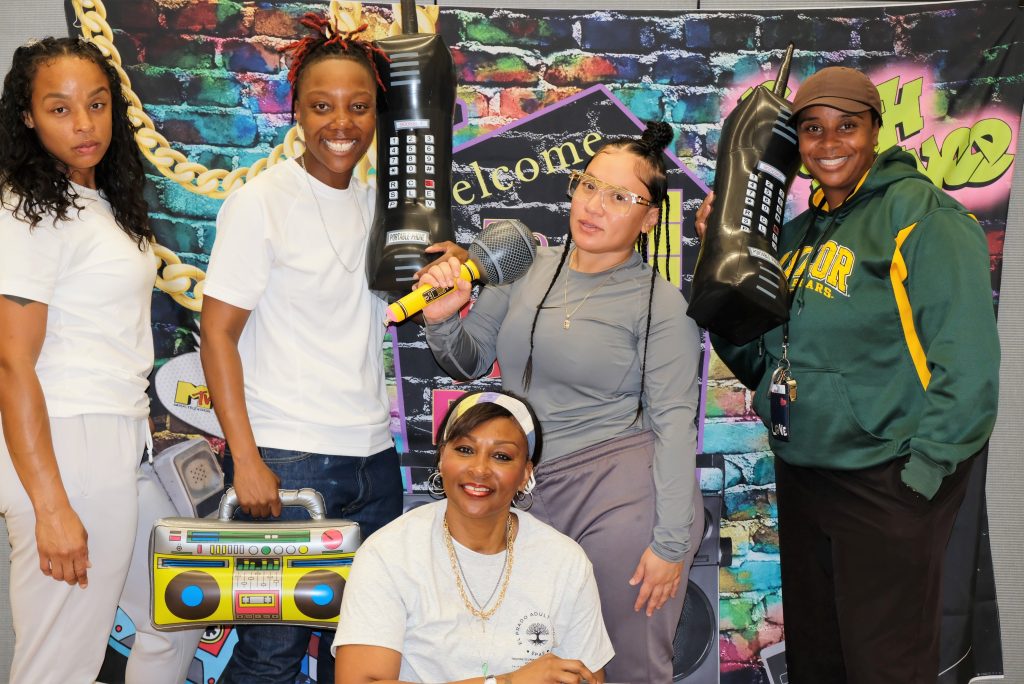
California Institution for Women’s El Prado Adult School celebrated its 50th anniversary with a hip-hop-themed luncheon.
The student advisory council meets monthly with the education administration to discuss students’ needs within the program. Members of the council are selected based on recommendations from their teachers, staff, and peers. The feedback provided by these meetings has resulted in the increased use of technology, improvements to educational facilities, and improved communication between staff and students.
Read more about the 50th anniversary celebration.
February
CDCR braves Polar Plunge for Special Olympics
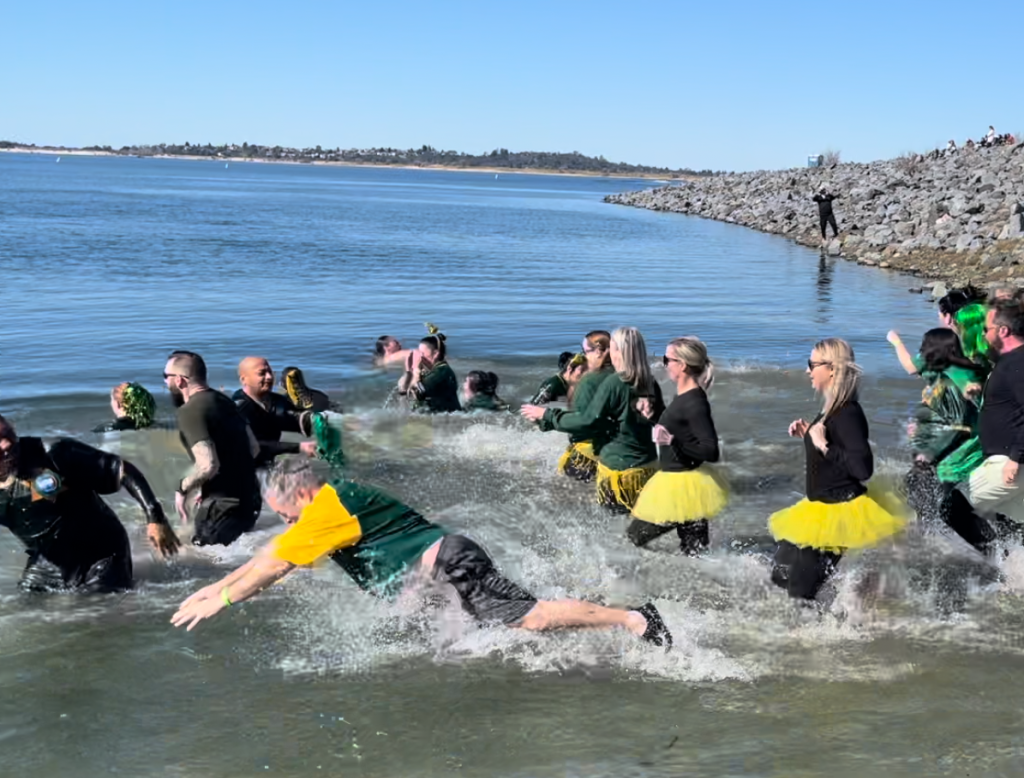
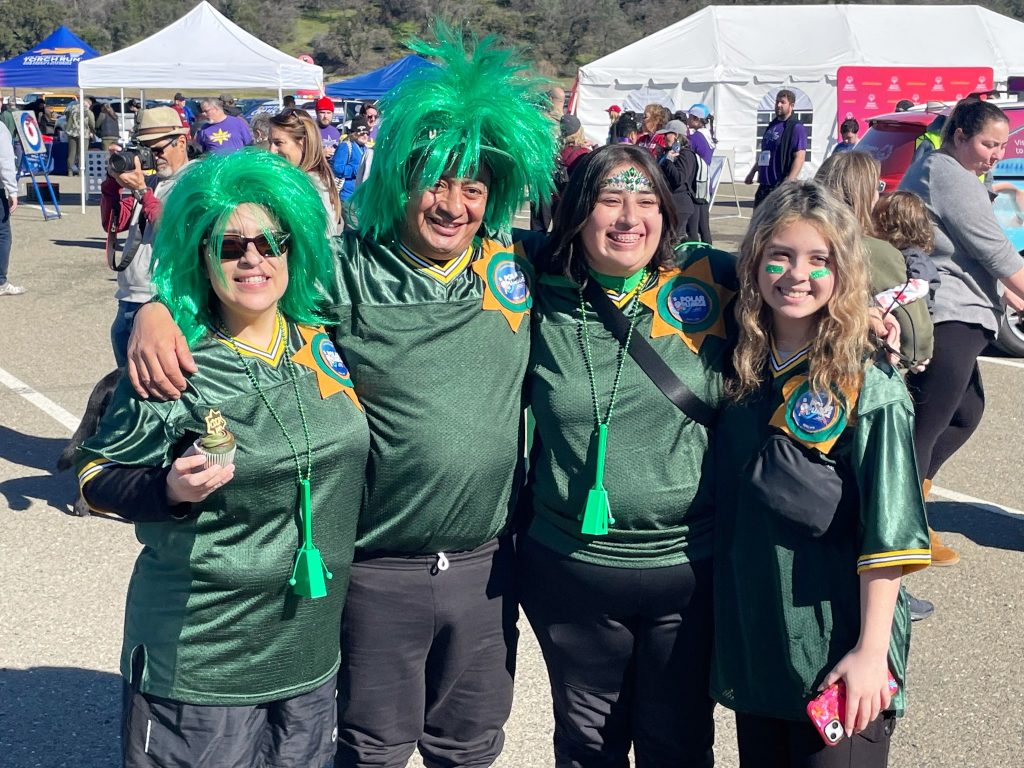
CDCR and CCHCS employees joined 300 others to brave the chilly temperatures in the 2024 Greater Sacramento Area Polar Plunge for Special Olympics Northern California.
The CDCR and CCHCS employees joined forces Saturday, Feb. 10, at Brown’s Ravine in Folsom to represent the department’s Sacramento area offices.
The CDCR Headquarters Freezin’ for a Reason polar plunge team raised $15,519 for Special Olympics Northern California athletes. The team ranked first as the 2024 Top Law Enforcement Torch Run Fundraising Team for the Sacramento Region.
Read more on CDCR’s support of the Special Olympics.
Learn more about Special Olympics of Northern California.
CDCR Recidivism Report Finds Recidivism Rates Drop

CDCR published its latest recidivism report, finding that fewer individuals released from prison reoffended. Data showed that the recidivism rate for people in fiscal year 2018-19 declined by 2.7 percent over the previous year, to 41.9 percent.
CDCR’s Office of Research determined that the COVID-19 pandemic may be a substantial factor for reduction and the effects of various criminal justice reform efforts, variations in demographics and characteristics of the group, and changes in overall crime rates also contributed.
Visit the CDCR website to read the full news release.
Second study shows CALPIA programs reduce recidivism

A second University of California, Irvine study shows most California Prison Industry Authority (CALPIA) job training programs lower recidivism rates.
The study found most all job training programs and enterprises through CALPIA are equally matched when it comes to lower rates of rearrests, reconvictions, and reincarcerations among participants.
“These results prove that CALPIA’s job training programs work – no matter what program is available, incarcerated individuals will benefit by participating in the long run.” said General Manager Bill Davidson. “The skills learned by incarcerated individuals make a positive difference when it comes to their reentry and success.”
Visit Inside CDCR to read the full article.
March
Women’s History Month: A look into CDCR efforts to increase representation of women with the 30×30 initiative

Hear about the 30×30 pledge CDCR signed to increase women representation by the year 2030 and the efforts planned to meet the goal shared by Rosanna Rodriguez, Manager within Office of Peace Officer Selection over Recruitment. Special guest Lieutenant Priscilla Gonzalez will share her personal experience as a peace officer woman working within the Department including her struggles, successes and encouragement of future female officers.
Visit RSS.com to listen to the podcast.
Kardashian sisters tour two California prisons
Kim and Khloé Kardashian toured two California prisons in Chowchilla: Valley State Prison and Central California Women’s Facility. On Feb. 9, they recorded footage for their upcoming show, set to stream on Hulu in six months.
During their visit to Valley, they met with participants of the Youth Offender Program, including Travon Willis who found it to be a great opportunity to have visiting celebrities.
“Today we are here to give people an opportunity to see what it’s like for us,” Willis said. “(They can) see we are able to change (and make) different choices.”
Read more about the Kardashians visit.
CMF Military Assistance Program aims high
The California Medical Facility (CMF) hosted the Military Assistance Program, a collaboration between military personnel and incarcerated individuals.
Travis Air Force Base Commander Brigadier General Derek Salmi and Staff Judge Advocate Lisa Moseley joined other executive staff and base personnel for the Military Assistance Program at CMF in Vacaville.
Since its inception in 2016, the military program has served as diversion for young airmen who may be veering off course. The incarcerated population at CMF offers them firsthand insight into the consequences of their actions. Through facility tours, shared meals, and testimonials, these individuals get a glimpse into the realities of life behind bars.
Visit Inside CDCR to read more about the Military Assistance Program.
April
Honoring National Crime Victims’ Rights Week

Across California, staff from CDCR and California Correctional Health Care Services facilitated, organized or took part in events in honor of National Crime Victims’ Rights Week.
Observed annually, this year it was commemorated April 21-27.
For those seeking more information on how OVSRS supports victims and survivors, visiting (www.cdcr.ca.gov/victims).
Read more about CDCR honoring National Crime Victims’ Rights Week.
Learn about OVSRS’ observance of Crime Victims’ Rights Week.


March CDCR visiting highlights shamrocks, bunnies
Staff and volunteers took extra steps to make visiting special in March at CDCR facilities across the state. From St. Patrick’s Day to Easter celebrations, visiting rooms were decorated and children made to feel special through family friendly activities.
Read more about the visiting celebrations.
‘The 50’ film screened with CDCR
On April 17 and 18, The 50 was screened separately at the Crest Theater in Sacramento and then at California State Prison, Solano.
The documentary focuses on 50 people serving life sentences at California State Prison, Solano, who seized the opportunity to become among the nation’s first incarcerated Alcohol and Other Drug (AOD) Counselors.
The documentary chronicles how the first participants of the Occupational Mentor Certification Program (OMCP) navigate their own traumas and harness those experiences to emerge as society’s most adept healers.
Members of the original OMCP group attended both screenings of the film, along with officials and staff from CDCR.
Visit “The 50” website to learn more about the documentary.
Visit Division of Rehabilitative Programs website to learn more about OMCP.
May
CDCR honors fallen at Peace Officers Memorial

Staff from three CDCR institutions took part in Solano County’s 35th annual Peace Officers Memorial Service on May 15.
Attending the ceremony were the California Medical Facility (CMF), California State Prison-Solano and San Quentin Rehabilitation Center who participated in the ceremony held at the Solano County Sheriff’s Office.
The annual service honors the fallen officers who lost their lives or became disabled while performing their duties and serving the residents of Solano County.
Read more about the Peace Officers Memorial.
Palma graduation at Correctional Training Facility
Correctional Training Facility (CTF) incarcerated members of the Phoenix Alliance Group celebrated the graduation of two classes from the Palma High School Leadership Academy Program. This event marked the completion of a transformative six-to-eight-week program designed to foster compassion, empathy, and restorative justice.
Read more about the Palma graduation.
June
Incarcerated students graduate from first‑ever partnership with the University of California
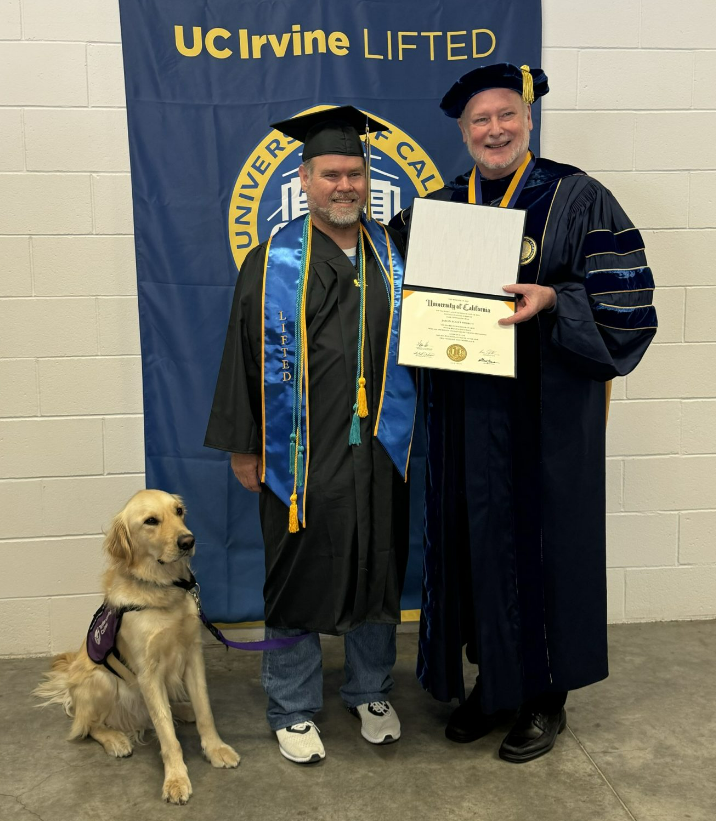
Prioritizing rehabilitation and education programs to strengthen public safety, the California Department of Corrections and Rehabilitation (CDCR) announced the first ever graduation of incarcerated students with bachelor’s degrees through the University of California.
The inaugural class, through UC Irvine, includes 23 graduates from the Richard J. Donovan Correctional Facility in San Diego who received in-person instruction led by UC Irvine professors.
Visit the CDCR website to read the full news release.
CDCR carries Special Olympics torch across California

Across the Golden State, staff from all areas of CDCR and California Correctional Health Care Services (CCHCS) carried the Flame of Hope torch to raise money for Special Olympics. The Law Enforcement Torch Run is an international movement of more than 110,000 law enforcement personnel who raise funds and awareness for Special Olympics through events.
As the largest grassroots fundraiser for Special Olympics, the Law Enforcement Torch Run has raised more than $900 million globally, including over $20 million in Northern California.
Read the full Torch Run round-up on Inside CDCR.
To learn more about supporting these efforts, visit Get Involved | Special Olympics Northern California (sonc.org)
July
Celebrating Parole Supervision Week 2024

This year marked the 25th annual Parole Supervision Week, a time to honor and recognize the dedicated professionals in pretrial, probation, and parole throughout California and the nation. These individuals play a crucial role in keeping the public safe and helping people reintegrate into society. Through their compassion, courage, and heroism, they act as role models, providing those under their care with the tools needed for a healthy, constructive, and drug-free lifestyle.
Read the full story on Inside CDCR.
Read the Governor’s 2024 Parole Supervision Week Proclamation.
Learn more about CDCR’s parole agents.
Folsom State Prison invests in next generation of students
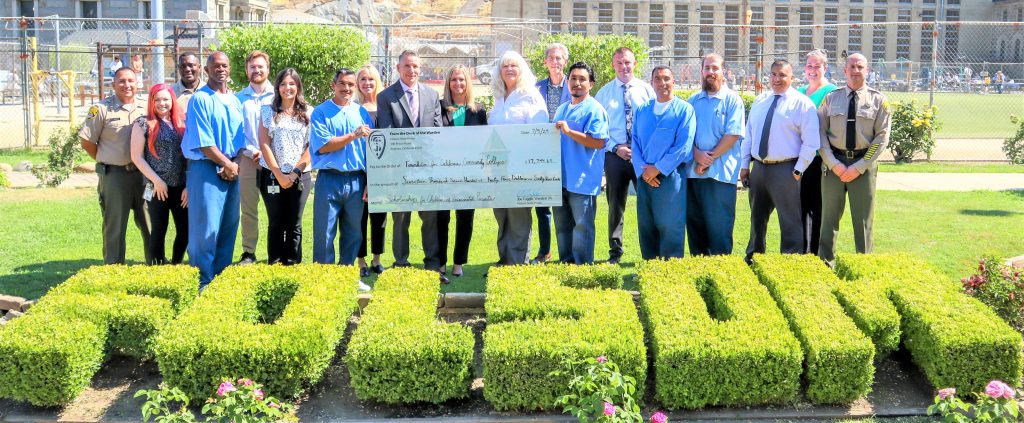
The Incarcerated Advisory Council at Folsom State Prison donated over $17,000 July 9 to the Foundation for California Community Colleges. The representatives from the prison’s advisory council presented the check to the foundation’s executive director, Barbara Webster-Hawkins, alongside prison leadership and CCHCS Director of Health Care Services Dr. Joseph Bick.
The funds were raised from a food sale fundraiser inside the prison and will provide education resources to the children of incarcerated people.
August
San Quentin nurse moves forward on America’s Got Talent
San Quentin’s own registered nurse, Dee Dee Simon, made waves on America’s Got Talent (AGT) after delivering a live performance that earned her the coveted golden buzzer. With this, she secured her spot in the finals, skipping the usual wait for the results.
Known not only for her exceptional singing but also for her dedication as a nurse, Simon has been balancing her medical career at San Quentin with her love for music. Her journey on AGT was a testament to her talent and determination. Simon hopes her story will inspire others to pursue their passions, no matter the challenges.
For the full story, check out the video linked below.
Visit Inside CDCR to watch her interview with CCHCS.
Folsom brings canines to the institution
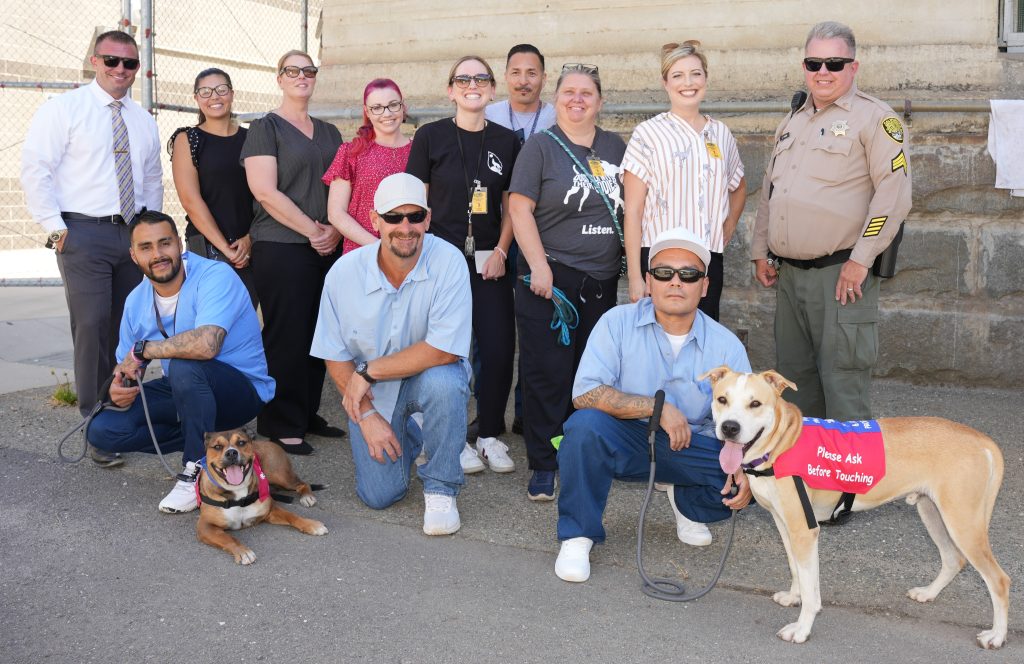
Folsom State Prison partnered with Foothill Dog Rescue of the Sierras to launch “New Paws on the Block.” This program provides obedience training for canines, facilitated by the incarcerated population at the prison.
Incarcerated participants with dog-training credentials from Paws for Life will teach basic commands and proper behaviors. After the four-to-eight-week program, the dogs will be available for adoption, increasing their chances of finding homes.
“We are bringing a program to Folsom State Prison that rehabilitates and normalizes the environment for both the incarcerated and our staff,” said Warden Tuggle.
Foothill Dog Rescue of the Sierras is a non-profit group dedicated to rehoming dogs from high-kill shelters and those in need.
They provide medical care, including vaccines and surgeries, and place dogs in safe foster homes. The organization also supports spay/neuter and vaccination clinics to reduce unwanted dogs in shelters.
Visit Foothill Dog Rescue of the Sierras website to learn more about the group.
Visit Paws for Life to read more about their prison program.
September
CDCR honors 16 at 2024 Medal of Valor ceremony
CDCR honored 16 employees during its 39th annual Medal of Valor Ceremony held Sept. 20, 2024.
CDCR awards its employees for distinguishing themselves by conspicuous bravery or heroism above and beyond the normal demands of correctional service. Honorees this year work in a wide variety of disciplines throughout the state. Family members and colleagues attended the ceremony at Richard A. McGee Correctional Training Center in Galt.
Read more about MOV and watch the videos.
Visit the CDCR website to read the full news release.
In memoriam 2024: Remembering those lost
During the 2024 Medal of Valor ceremony, CDCR and CCHCS remembered staff who passed away with this in memoriam video.
California Medical Facility hosts Prison Palooza 3.0
California Medical Facility staff, community organizations, and the incarcerated population gathered for Prison Palooza 3.0.
“We had a lot more staff, people from the community and incarcerated folks who heard about it from last year who wanted to participate this year,” said Lt. Priscilla Gonzalez, public information officer. “So, it was cool to have that many people see what we did and want to be a part of it.”
Warden Daniel Cueva said the event is a great way to foster positive interactions between staff and those incarcerated at the institution.
Read the full Prison Palooza 3.0 story on Inside CDCR.
Visit the CDCR website to read the news release.
October
CDCR kicks off Operation Boo Halloween safety campaign
This Halloween, CDCR helped keep kids and families safe through Operation Boo. Throughout the week, CDCR parole agents provided safety tips for trick-or-treaters via social media and as part of a comprehensive parents’ guide on our 2024 Operation Boo webpage.
Hundreds of parole agents, along with local law enforcement partners, conducted compliance checks on sex offender supervised persons across California. Operation Boo helps ensure those who are prohibited from having contact with minors are following their conditions of parole.
Visit Inside CDCR to read the full story.
Cinematic first: San Quentin Film Festival now streaming
With words more familiar with a movie set – that’s a wrap – the San Quentin Rehabilitation Center made history with the completion of the first-ever in-prison film festival. The San Quentin Film Festival 2024 (SQFF24) garnered attention unlike the typical coverage of prisons as seen in The Hollywood Reporter, Variety and the New York Times. This unique event showcased the creative talents of current and previous incarcerated filmmakers, offering a powerful platform for self-expression and storytelling from within the prison walls.
Visit the CDCR website to read the news release.
Visit Inside CDCR to read the full story.
Voting Right’s Restored
CDCR Secretary Jeff Macomber and Secretary of State Dr. Shirley Weber explain how individuals with prior convictions their voting can have rights restored.
You can register to vote if you are:
- A U.S. citizen and a resident of California
- 18 years old or older on Election Day
- Not currently found mentally incompetent to vote by a court
- Not currently serving a state or federal prison term for the conviction of a felony
If you have a misdemeanor conviction, are on parole or probation, or on post-release community supervision, you may still be eligible to vote under specific conditions.
Learn more at votingrightsrestored.sos.ca.gov and visit registertovote.ca.gov to check your eligibility and register.
San Quentin hosts first ever all-incarcerated softball game
On Oct. 11, California Medical Facility in Vacaville transported a team of incarcerated individuals to San Quentin Rehabilitation Center to compete in an incarcerated versus incarcerated softball game.
This was the first time such a game was ever played.
Read more about the all-incarcerated softball game.
November
CDCR Unlocked podcast: Veterans Day special

In this installment of CDCR Unlocked, Correctional sergeants William Bartow and Jose Andrade discuss military veterans.
Andrade served eight-and-a-half years in the US Army. While in basic training, he learned everyone had the same core job.
“It didn’t matter what your job was. No matter what you pick, at the end of the day, you’re a soldier. You’ll always be a soldier,” he recalls. “That’s your primary job.”
Andrade was 18 when he joined the military. Growing up in a small California town, reporting to boot camp on the opposite coast was a bit of a culture shock.
Visit RSS.com to listen to the podcast.
Our Promise kick‑off event highlights charities
During the department’s Our Promise kick-off event in Elk Grove, staff learned various ways they can help charities.
The Nov. 6 kick-off for the 2024 Our Promise California State Giving at Work campaign featured food trucks, games, and door prizes.
Learn more about the organization on their website.
Read more about Our Promise kick-off event.
December
Undersecretary Foss retires after nearly 30 years
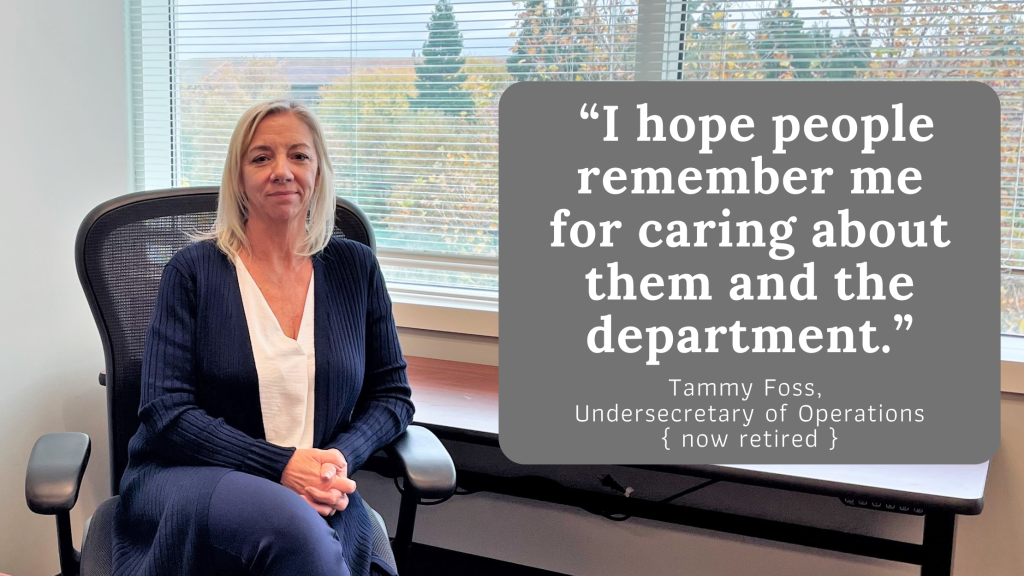
After nearly 30 years with the department, Undersecretary Tammy Foss is looking forward to the next chapter in her life: retirement.
Her career began as a correctional officer in 1996 at Pelican Bay State Prison in Crescent City. She’s worked various jobs across the department, serving in leadership roles at Pelican Bay, San Quentin, High Desert State Prison, headquarters, California Correctional Health Care Services, and leading Salinas Valley State Prison as warden 2018 to 2019.
Read more about Undersecretary Foss retirement.
DAI Director Broomfield retiring in December
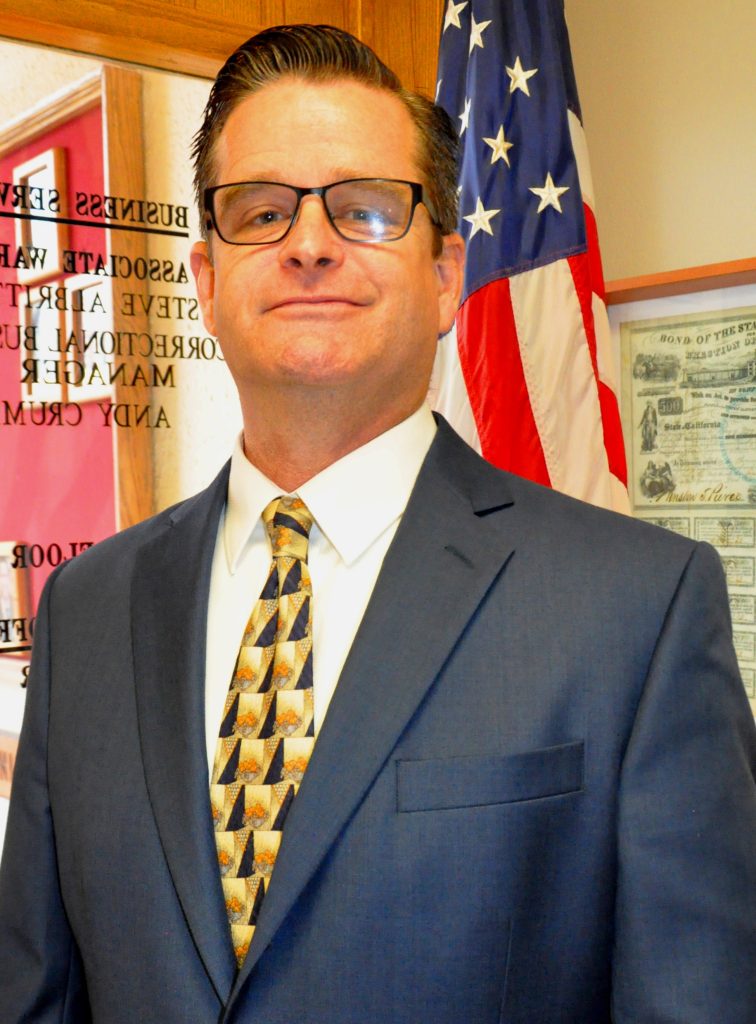
Ron Broomfield, the director of the Division of Adult Institutions (DAI), has gone from working as a county jail officer to overseeing the state’s prisons. Now he’s looking forward to one more undertaking: retirement.
He began his correctional career with the Mariposa County Sheriff’s Office as jail officer in 1998. With state correctional officers visiting the jail to transport incarcerated people to state prisons, his interest was piqued.
After some research, he joined the state corrections department in 2001 as a correctional officer at Salinas Valley State Prison.
He’s also served as a correctional counselor, captain, association warden, chief deputy administrator, and warden. He’s also worked at California State Prison-Corcoran, and San Quentin.
Read more about Director Broomfield’s career.
Press Office
DAPO making a difference: parole agents in our communities

The Division of Adult Parole Operations (DAPO) plays a vital role in local communities’ public safety plans by helping supervised individuals successfully reintegrate into their communities. In 2024, CDCR featured several DAPO professionals who make a difference in supervised persons’ lives, including a parole agent who helps address critical needs including housing and employment, and a professional from DAPO’s Behavioral Health Reintegration (BHR) program who connects them to mental health services and other resources necessary for successful reentry.
While DAPO’s focus on community safety is year-round, Halloween provides an opportunity for additional awareness about how to keep children safe against sexual abuse. DAPO’s Operation Boo, now in its 31st year, includes a public safety communications campaign and, on Halloween, hundreds of parole agents across the state who, in collaboration with local law enforcement partners, conduct compliance checks on sex offender supervised persons who are prohibited from having contact with minors. Several media outlets covered Operation Boo, including ABC 30 Fresno, ABC 23 Bakersfield, and Telemundo Fresno.
Reentry

CDCR is committed to providing resources to incarcerated people to help them become self-sufficient and aid in their transition into the community. Its most successful tools include the Female Community Reentry Program (FCRP). Media covered the positive impact of the FCRP on its participants, including how the Sacramento FCRP provides women with tools for reentry and a Sacramento Bee story on five women who are the first to graduate from the state’s training program for female incarcerated persons who want to be firefighters when they are released.
Higher Education Year in Review
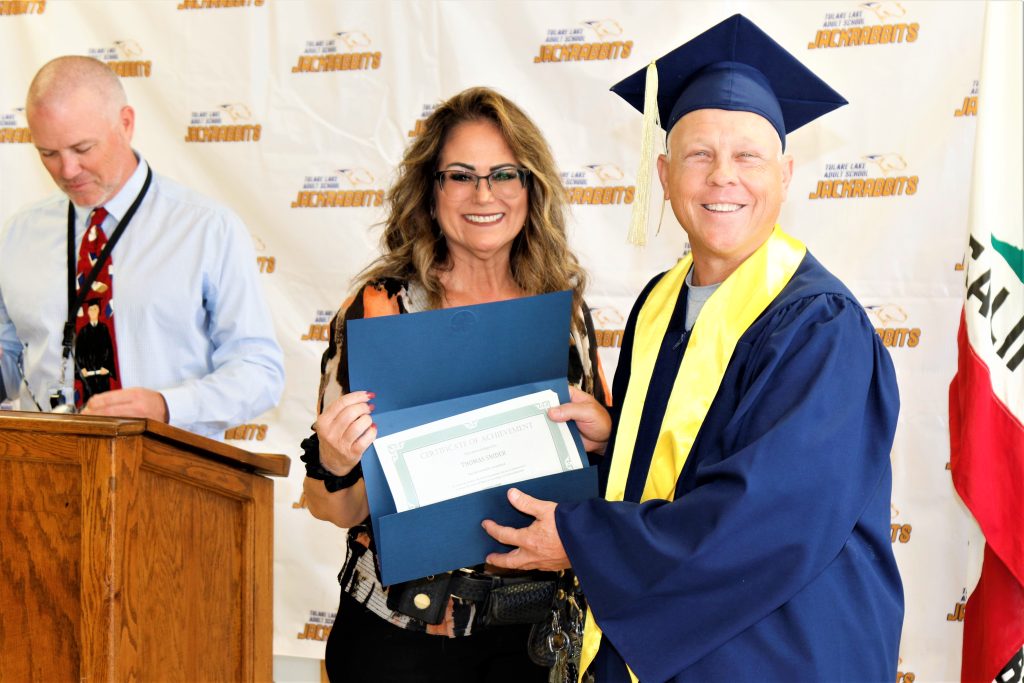
CDCR partners with California’s public higher education system to offer associate, bachelor’s and master’s degrees through the California community colleges, the California State University, and the University of California. This partnership aims to reduce recidivism and provide a pathway for good-paying jobs upon release. As California continues to invest in building safer communities, in June 2024, 23 incarcerated students at RJ Donovan graduated with bachelor’s degrees from a first-of-its-kind partnership with the University of California. Studies show that incarcerated individuals who participate in correctional education are 48% less likely to return to prison within three years than those who did not have access to these opportunities. These monumental moments wouldn’t be possible if it were not for the educators within CDCR. Jody Lewen, founder of the nation’s first college exclusively for incarcerated people in prison, was awarded the 2024 McGraw Prize for Higher Education. Lewen serves as the president of Mount Tamalpais College (MTC) at San Quentin Rehabilitation Center. Several media outlets covered the first-of-its-kind graduation, including NBC 7 San Diego and ABC 7 Eyewitness News.
San Quentin Film Festival

San Quentin Rehabilitation Center hosted the inaugural San Quentin Film Festival, the first-ever-in-prison film festival of its kind. The event showcased the transformative power of storytelling and rehabilitation. The festival featured films created by current and previous incarcerated individuals, amplifying their voices and highlighting themes of redemption, resilience, and hope.
Read the opening press release and the closing press release for more information on this event. The festival received widespread media attention, with coverage in outlets including The Hollywood Reporter, Variety and the New York Times.
San Quentin Construction Project

In 2024, the San Quentin Rehabilitation Center construction project made significant progress toward transforming the facility into a state-of-the-art hub for rehabilitation and education. The project replaces outdated prison infrastructure with modern spaces designed to support vocational training, higher education, and reentry programs. This initiative reflects a broader shift toward restorative justice, focusing on equipping incarcerated individuals with the tools they need to successfully reintegrate into society. Once completed, it will serve as a national model for innovative approaches to corrections. The announcement attracted significant media coverage, including features in the New Atlas, Fast Company, and DeZeen.
Condemned Inmate Transfer Program (CITP)
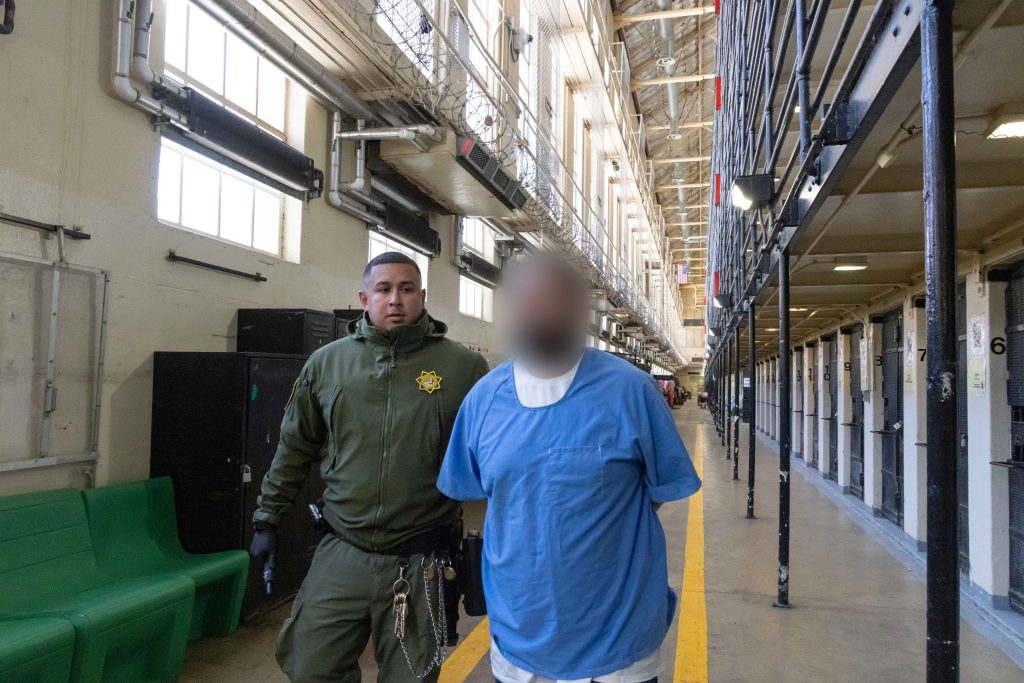
In May 2024, the Condemned Inmate Transfer Program (CITP) completed its mission to relocate individuals from San Quentin’s Death Row to high-security prisons across California. This program aims to provide a more rehabilitative environment by integrating condemned individuals into the general prison population, where they can access educational, vocational, and mental health resources. The initiative reflects a shift away from punitive isolation toward opportunities for personal growth, aligning with California’s broader efforts to reform its corrections system and prioritize rehabilitation. The CITP offers incarcerated individuals with death sentences opportunities such as employment, rehabilitation programs, and avenues for restitution to victims.
Read the press release to learn more about this landmark initiative. The program has drawn significant media attention, with coverage from CBS San Francisco, Los Angeles Times and The Sun.
Sports Collaborations

In 2024, CDCR continued to strengthen its partnership with professional sports teams, fostering meaningful engagement and support for incarcerated individuals and staff alike. These collaborations included hosting motivational events, providing mentorship opportunities, and contributing to rehabilitation initiatives. Professional athletes and team representatives visited facilities to share personal stories of resilience and determination, inspiring incarcerated individuals to pursue positive change.
On Oct. 2, 2024, the San Francisco 49ers visited San Quentin Rehabilitation Center to promote social justice and criminal justice reform. Earlier in the summer, on June 14, 2004, the California Institution for Women hosted the United States Tennis Association which conducted two 90-minute tennis clinics to 42 incarcerated individuals. Around the same time, the Sacramento Kings visited Pine Grove Conservation camp where they provided pizza, dessert and basketball equipment. They participated in drills and played a scrimmage against the incarcerated firefighters.
On Nov. 20, 2024, the San Diego Padres visited RJ Donovan Correctional Facility for Staff Appreciation Day on Nov. 20, 2024. Meanwhile the Golden State Warriors in collaboration with the Twinning Project and CDCR, launched a six-week basketball program at California State Prison Solano. This program, aimed at reducing recidivism rates and preparing incarcerated individuals for life post-release, generated media coverage from outlets such as KCRA 3 and KTVU FOX 2.
Pickleball in Prison visited six institutions, filming instructional pickleball sessions for an upcoming documentary about “pickleball pioneer” Roger BelAir, a volunteer pickleball instructor who is committed to making a difference in prisons across the country.
Peer Support Specialist First Graduation at CCWF

The Central California Women’s Facility (CCWF) in Chowchilla celebrated 36 Peer Support Specialist Program (PSSP) graduates on July 24. These women were the first PSSP graduating cohort in any prison, worldwide. The program allows CDCR/CCHCS to train incarcerated people to use their lived experiences to provide valuable and trusted recovery and rehabilitative support to their peers. When Peer Support Specialists return to the community, they can use this experience to earn a livable wage. Graduates at CCWF have completed training, internship hours, and only need to pass required testing to receive their PSSP certification. CCWF incarcerated people, staff, and administrators from across the state attended the ceremony to congratulate these pioneers.
“Today you are making history, and what you are doing today is going to transcend beyond these walls. It doesn’t get any better than this,” said CCHCS Chief Nurse Executive Affie Tamuno-Koko.
Take a first-hand look at the graduation ceremony and hear testimonials from the women graduates here.
Fire Camps

In 2024, CDCR’s fire camp program continued to demonstrate its vital role in California’s emergency response and rehabilitation efforts. In partnership with Cal Fire and Los Angeles County Fire, the program provided essential services while offering participants valuable skills, and training. With 35 conservation camps operating across 25 counties, the program saw its highest participation levels since the pandemic with 1,903 firefighters in November.
The milestone year also included high-profile visits, such as the Kardashians’ trip to Growlersburg Conservation Camp to learn more about the Youth Offender Pilot Program (YOP), which provides incarcerated youth with specialized training and mentorship opportunities, equipping them with valuable skills for future careers. Following the pilot program’s success at Growlersburg, the YOP expanded to Pine Grove in August.
At Puerta La Cruz Fire Camp, Gordon Philanthropies and CDCR officials celebrated the grand opening of a first-of-its-kind Outdoor Children’s Recreational Center, designed to offer incarcerated women a safe space to create healthy relationships with their children. The event received media coverage in outlets including NBC San Diego and Telemundo San Diego (20).
Voting Rights Restored Initiative

CDCR and the California Secretary of State’s office partnered during the 2024 election season to inform current and formerly incarcerated persons of the Voting Rights Restored Initiative and their ability to vote and make their voice heard after their release. CDCR Secretary Jeff Macomber and Secretary of State Dr. Shirley Weber explained the initiative in a recorded video posted to both Inside CDCR and all social media platforms. Incarcerated persons at the California Medical Facility voiced their thoughts on the Voting Rights Restored Initiative in this social media video that received over 8,000 views.
External Affairs
In 2024, the Office of Strategic Communications and External Affairs welcomed a record number of international visitors, including the Netherlands, Philippines, Japan, South Korea, and Norway, to observe CDCR’s new protocols. All visitors were carefully vetted through California Governor’s Office of Emergency Services. Here are a few stories from these insightful visits:
CDCR hosts Japanese prison officials
CDCR recently welcomed a delegation of officials from the Japanese Ministry of Justice’s Corrections Bureau. The delegation embarked on a comprehensive tour of several CDCR facilities, including San Quentin Rehabilitation Center, California Medical Facility, and Folsom State Prison.
Visit Inside CDCR to read the full article.
Philippine Public Safety Executives visit CDCR
A total of 43 Philippine public safety executives recently visited CDCR in one of the largest international visits the department has ever held. The executives come from various professions in the Philippines including Philippine National Police, Bureau of Jail and Penology, Bureau of Fire Protection, and the Manila Airport Police.
They are all currently undergoing a 12-month Public Safety Officers Senior Executive Course. The purpose of the course’s visit was to see how the department functions daily and what programs are offered to the incarcerated.
Visit Inside CDCR to read the full article.
Netherlands officials tour two CDCR prisons
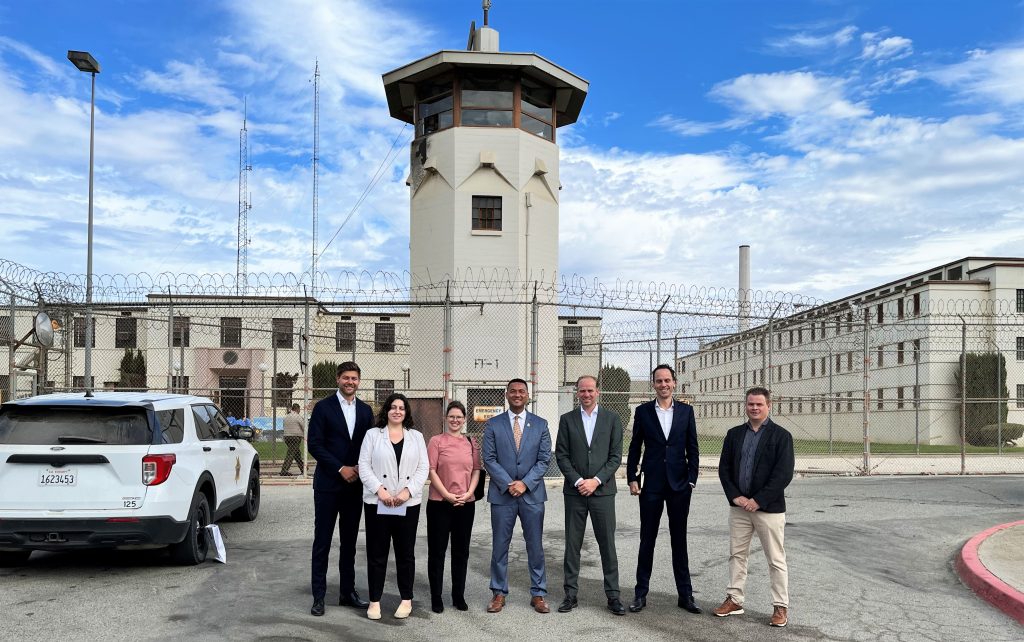
Officials from the Netherlands Ministry of Justice recently toured the Correctional Training Facility (CTF) and Salinas Valley State Prison (SVSP) in Soledad.
The tours, led by CTF Public Information Officer Lt. Landrum and SVSP Lt. Fonseca, aimed to explore how CDCR manages large prison populations and offers innovative programs.
Visit Inside CDCR to read the full article.
By the Numbers


Inside CDCR
Inside CDCR tells the stories staff, volunteers and programs.
Total Inside CDCR views for 2024 as of Dec. 20: 4.8 million.
Most viewed stories
39,189 CDCR launches Condemned Inmate Transfer Program (Apr. 3)
31,500 Kardashian sisters tour two California prisons (Feb. 27)
24,000 San Quentin nurse moves forward on America’s Got Talent (Aug. 23)
21,500 200 new correctional officers graduate academy (June 19)
19,000 Meet Glenn Trujillo: State’s longest serving lieutenant (May 28)
Videos
The Office of Public and Employee Communications’ video unit has produced content in 2024 like they never have before. The dedicated video team has traveled across the state to capture all the department’s monumental work. We asked CDCR’s videographers to share their favorite videos of 2024.
Social Media
In 2024, CDCR’s Facebook posts reached more than 9.4 million people and Instagram posts reached approximately 1.2 million people. CDCR’s social media pages have a combined audience of approximately 100,000 followers. Employee news, including welcoming new Correctional Officers, heartfelt deeds done by staff members, and rehabilitation stories continue to be the most popular social media posts on CDCR’s pages. If you have yet to follow us on social media, you can do so by finding us @CACorrections on Facebook, Instagram, X, and YouTube.

- This year’s-highest performing post included a correctional officer graduation on November 1. With collaboration from the Governor’s Office, pictures from the graduation were viewed by nearly 9,000 people on X. View the post, here.
- The second-highest post highlighted the visit from the Kardashians in early September when they showed their support at the Youth Offender Conservation Camp Pilot Program. The post received more than 4,000 views on X.
- The third-highest performing post of 2024 was an event from Folsom State Prison. In early June the incarcerated population, their families and friends, raised $23,000 during the Relay for Life. The reel received more than 4,000 interactions and was viewed by more than 113,000 profiles.
- The fourth-highest performing post of 2024 celebrated dozens of students graduating from the inaugural class of UCI Lifted at Richard J. Donovan Correctional Facility. View the post, here.
- The fifth-highest post celebrated a new patch introduced by CDCR. You can view that patch on our Instagram where people showed their support with more than 2,500 interactions.
CDCR Unlocked

CDCR Unlocked covers all corrections topics, such as rehabilitation, reentry, peace officer recruitment, employee wellness, and other criminal justice issues. The podcast includes interviews and profiles of CDCR executives, administrators, staff, volunteers, and community partners.
Visit rss.com to listen to the podcast episodes.
Top five podcasts: Over 12,600 downloads collectively
Recruitment on the road at High Desert State Prison (Jan. 19)
Freedom to create: SVSP mural artists (Jan. 3)
CDCR California Model Part One (Jul. 9)
California Model Part Two (Jul. 12)
Follow CDCR on YouTube, Facebook, X (formerly Twitter). Listen to the CDCR Unlocked podcast.
Read more Week in Review stories on Inside CDCR.
Week in Review archive
Week in Review: March 27, 2026
In this March 27 week in review, DAPO supports children at childhood cancer event, CTF hosts a fundraiser for crime…
Week in Review: March 20, 2026
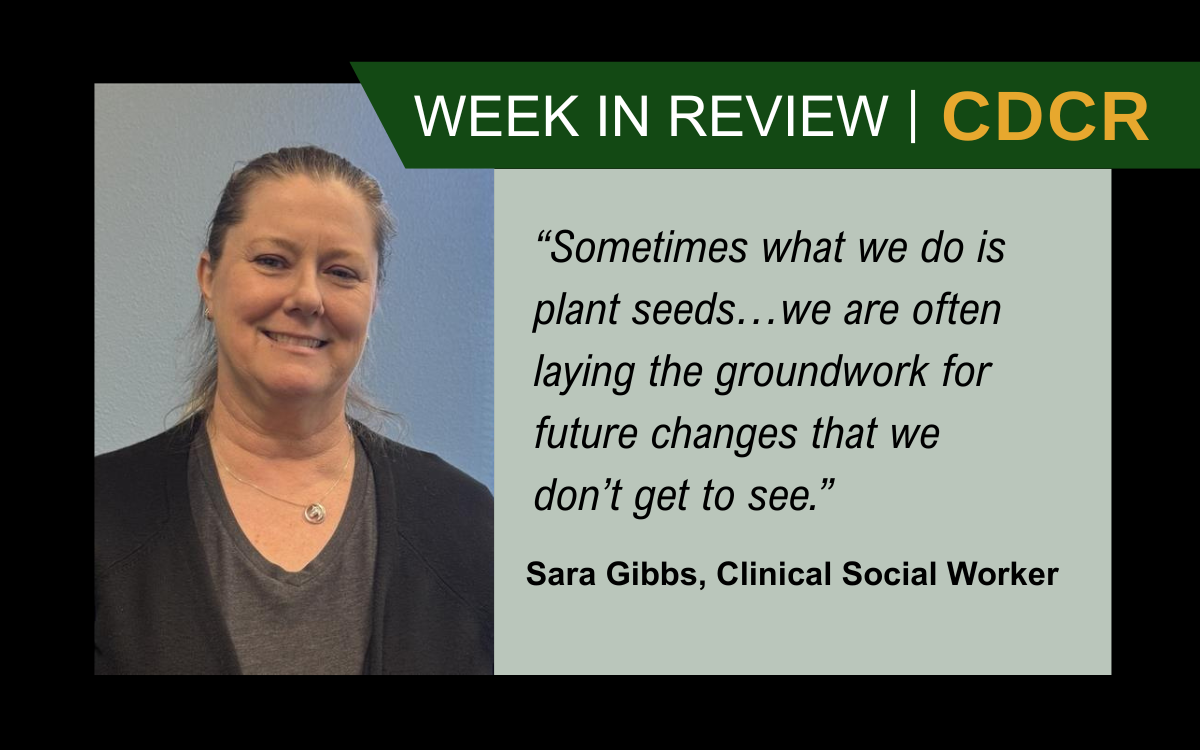
In this March 20 Week in Review, we spotlight Clinical Social Worker Sara Gibbs, DAPO’s Reentry Days, and upcoming cancer…

Week in Review: March 13, 2026
In this March 13 Week in Review, we spotlight RDN Tessa Gaynor, two staff graduating the Innovation Fellows program, and…

Week in Review: March 6, 2026
In this March 6 Week in Review, we spotlight Procurement Analyst Sommony Pech, PVSP staff speaking with students about careers,…
Week in Review: February 27, 2026
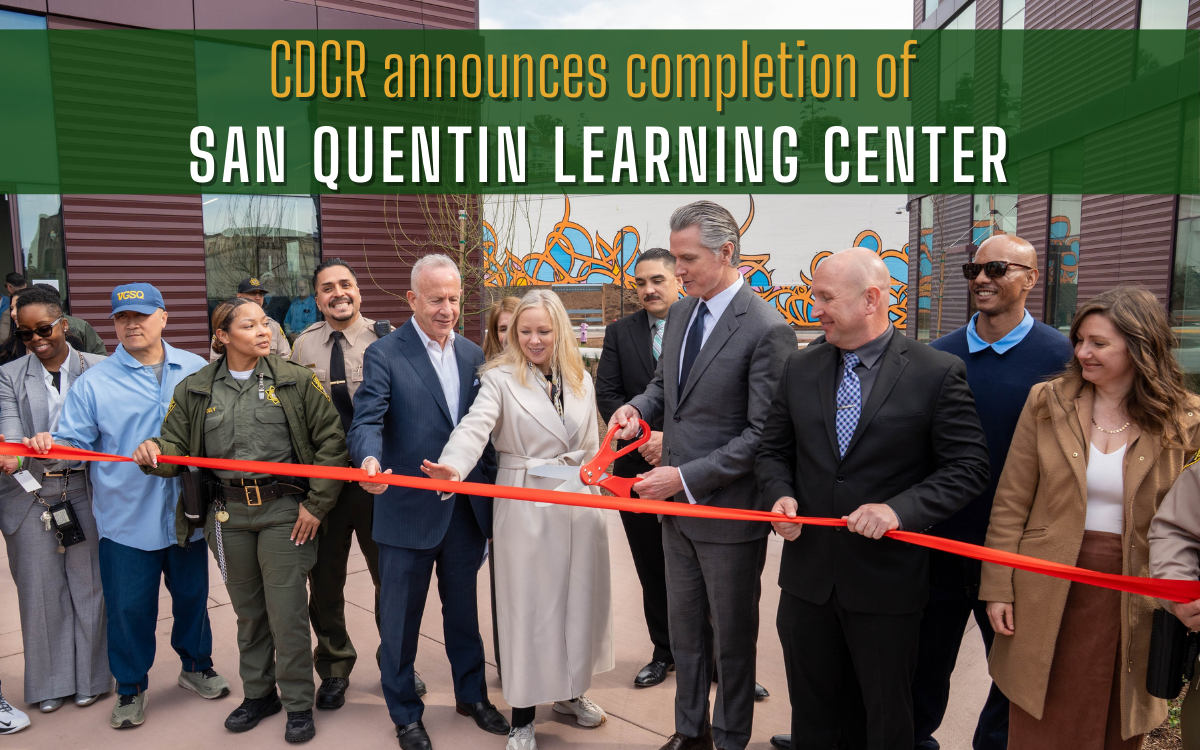
In this February 27 Week in Review, we spotlight the completion of the San Quentin Learning Center, Recreation Therapist Megan…
Week in Review: February 20, 2026
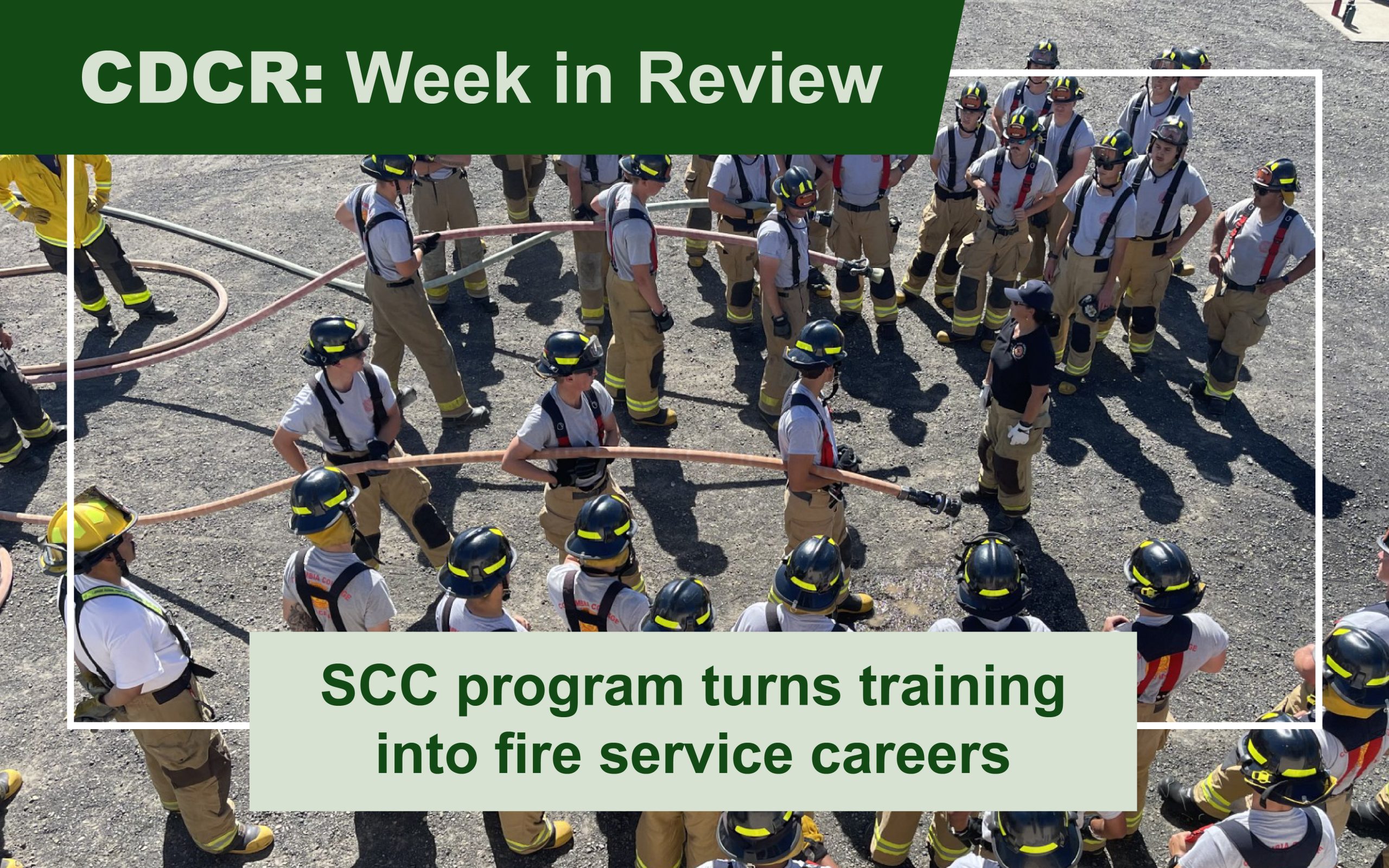
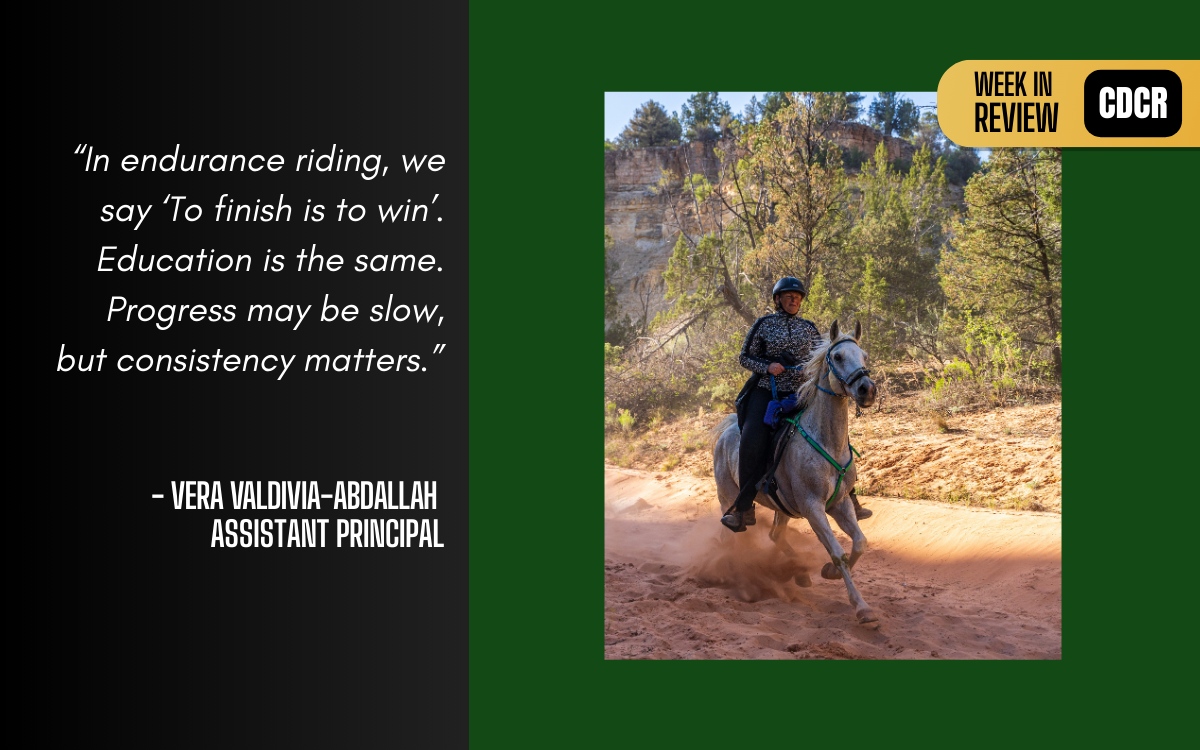
In this February 20 Week in Review, we spotlight Assistant Principal Vera Valdivia-Abdallah, SCC firefighters, and RJD officers connecting with…